
Why 'Runaway' Feels Like a Warning
The meaning of Runaway Silverstein, Down With Webster comes down to one sharp idea: this is a song about knowing they are bad for someone and saying so out loud. Rather than promise change, the speaker tells their partner to leave. That makes the song less like a love song and more like a confession wrapped in swagger.
"Runaway" - Silverstein, Down With Webster
(Look at you)
(Look at you)
Loading lyrics...
Unable to load lyrics
We're unable to display the lyrics at this time. Please try again later.
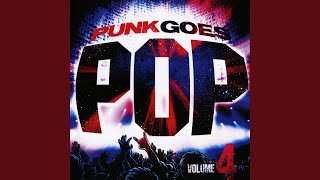
Released in 2011 on Punk Goes Pop Volume 4, the track is Silverstein's cover of Kanye West's "Runaway," featuring Camm Hunter of Down With Webster, a collaboration noted in Down With Webster's discography coverage. That same discography also shows how visible the band was in the Canadian mainstream during this era, with multiple platinum singles and more than 800,000 singles sold overall. Those facts help explain why this crossover felt natural: Silverstein brought post-hardcore force, while Camm Hunter brought a slicker rap-rock voice that fit the song's blend of arrogance and unease.
A confession, not a redemption arc
At its core, the song is about a person who recognizes their own worst habits. Early on, they admit they always find fault and push away someone who has already tolerated too much. The message is not subtle. They are saying, in effect, they will keep hurting this person.
The hook makes that point brutally simple. Instead of asking for patience, the singer tells the partner to run away as fast as you can
. That line is the emotional center of the song. It sounds dramatic, but it also feels like the only honest thing they can say.
Interpretation: The song's power comes from the gap between self-awareness and growth. They clearly see the damage they cause, but they do not really stop. That tension gives the track its bite.
Watch the official Runaway
music video
How the verses build the damage
The verses present a character who is selfish, defensive, and reckless. They mock themselves and others with lines like toast for the douchebags
, turning a public confession into a dark joke. By grouping themselves with "assholes" and "scumbags," they admit guilt before anyone else can accuse them.
Then the details get more personal. The speaker describes cheating, blaming their partner, and failing at intimacy. Another key line, I'm so gifted
, is used sarcastically. They are not praising talent in love; they are saying they are unusually skilled at ruining it.
Camm Hunter's guest verse pushes the theme in a slightly different direction. It shifts from personal guilt to tour-life cynicism, showing a world of groupies, ego, and disposable connections. That verse can feel harsher and more abrasive than the rest of the track, but it serves a purpose: it widens the song from one failed relationship into a broader portrait of a culture where emotional detachment becomes normal.
The chorus turns guilt into a command
The chorus is catchy because it takes a complicated emotional mess and turns it into one direct order. The repeated phrase run away from me
is both warning and shield.
On one level, they are protecting the other person. On another, they are keeping control by deciding the ending themselves. If the partner leaves because the singer told them to, the singer never has to fully face rejection.
Run away from me, baby
Doesn't have to get crazy
That brief moment captures the song's strange mix of care and cowardice. They know disaster is coming, but instead of changing, they try to manage the exit.
Why the sound matters so much
Silverstein's version works because the arrangement makes the conflict feel physical. The song keeps the original's sharp, repetitive hook, but filters it through louder guitars, hard-hitting drums, and a more aggressive vocal approach. The result is less sleek than Kanye West's version and more unstable.
That matters for meaning. The heavier production suggests panic under the confidence. When the band leans into distortion and force, the song stops sounding cool and starts sounding desperate. The performance makes the narrator's self-loathing harder to miss.
Camm Hunter's presence also adds contrast. His cadence is smoother and more conversational, which makes the guest section feel almost casual in its cruelty. That contrast helps underline the song's main point: destructive behavior can sound charming right up until the damage is obvious.
Two strong ways to read it
There are at least two useful readings of "Runaway."
Reading one: brutal self-awareness
In this interpretation, the narrator is finally honest. They know they are toxic, and the warning is sincere. Phrases like find somethin' wrong
and run away
show someone who understands their pattern and wants the other person safe.
Reading two: honesty as another form of manipulation
This reading is darker. The confession may sound truthful, but it still centers the narrator's ego. By openly admitting failure, they can seem deep or self-aware without doing the harder work of changing.
Both readings fit, and that ambiguity is part of why the song still lands.
Final takeaway
So, what is the meaning of Runaway Silverstein, Down With Webster? It is a portrait of someone who knows they are destructive and turns that knowledge into a warning. The song is sharp because it does not confuse confession with redemption.
Silverstein's heavier delivery and Camm Hunter's guest verse make the message feel volatile, modern, and emotionally messy. They turn "Runaway" into a song about guilt, ego, and the way some people push love away before it can expose them.
Disclaimer: This interpretation is based on the released lyrics, performance, and available song context. Meaning in music can remain open to multiple listener readings.







