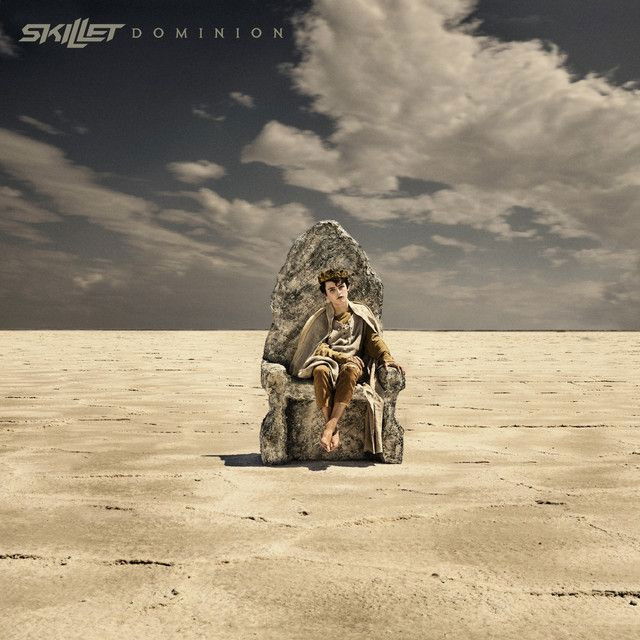
Standing in the Storm by Skillet
Skillet have built much of their career on songs that turn struggle into motion. The meaning of Standing in the Storm Skillet fits that pattern closely: it is an arena-ready anthem about staying upright when fear, pain, and outside pressure hit all at once.
"Standing in the Storm" - Skillet
You can try to shake me
I still got some fight in me
Loading lyrics...
Unable to load lyrics
We're unable to display the lyrics at this time. Please try again later.
Written by John Cooper, Kane Churko, Kevin Churko, and Korey Cooper, the song presents survival not as quiet patience but as active resistance. Its speaker does not deny danger. They admit the pressure, then answer it with a vow to endure.
Where the Song Plants Its Flag
At its core, the song is about defiance under extreme strain. The title image says a lot on its own. A storm is not something a person controls. It is something they endure. By choosing to stand inside it, the narrator rejects escape and chooses courage instead.
That idea shows up in short, blunt phrases like standin' in the storm
and not givin' up
. Those lines are simple on purpose. They sound like mantras, the kind of words someone repeats to stay steady when events feel bigger than them.
Interpretation: The song can be heard as a personal survival anthem, but it also works as a broader statement about spiritual warfare, public criticism, grief, or mental exhaustion. The lyrics stay wide enough for many listeners to step into them.
Watch the official Standing in the Storm
music video
The Lyrics Turn Fear Into a Fight
The verses build the song's conflict by surrounding the narrator with dark and threatening images. They describe clouds closing in, hostile eyes watching, and voices pulling from below. None of that sounds peaceful or safe. It creates a world where danger feels constant.
Then the song flips that fear into strength. A key phrase is Resistance makes me stronger
. Instead of saying pain only wounds them, the narrator claims it hardens their will. That is the song's emotional engine: opposition becomes fuel.
Another important image is shots to Goliath
. This biblical reference frames the struggle as uneven but not hopeless. Goliath stands for any giant obstacle: fear, hate, despair, or a powerful enemy. The song argues that courage can still challenge something larger.
Chorus as a Promise, Not Just a Hook
The chorus works because it gathers every threat from the verses and answers it in one burst. Pressure builds. Winds close in. The future is uncertain. Yet the response stays fixed.
Fearless as a lion
But you can never break me
That brief section captures the song's message. The first phrase gives the narrator an almost mythic bravery. The second makes the real point: endurance matters more than invulnerability. They are not untouched by suffering. They simply refuse to be destroyed by it.
For the meaning of Standing in the Storm Skillet, this distinction matters. The song is not about pretending everything is fine. It is about holding identity together when everything around it shakes.
Images of War, Faith, and Survival
Skillet often blend physical and spiritual language, and this song does that clearly. There is battlefield language, weather imagery, and a moral code shaped by conviction. Phrases about defiance, dishonor, truth, and love as a weapon suggest that the fight is not only external. It is also ethical and inner-directed.
Interpretation: Some listeners will hear a Christian rock framework here, especially with the Goliath image and the sense of spiritual attack. That reading makes sense given Skillet's long association with faith-informed themes, documented across the band's career on their official site and in major-band coverage by Billboard. Others may hear the song more broadly as motivation for surviving trauma or standing firm in conflict.
Either way, the message stays consistent: pressure tests character, and the narrator chooses to answer with resolve.
Why the Sound Hits So Hard
Production matters a lot here. The song was co-written by Kane and Kevin Churko, names known for polished hard rock and metal production work across mainstream heavy music. That style usually favors punchy drums, thick guitar layers, and a vocal mix that keeps the central message sharp and urgent.
That matters because the arrangement behaves like the storm described in the lyrics. The drums push forward like impact. The guitars create weight and atmosphere. The repeated gang-style phrasing in the hook makes the song feel communal, as if endurance is not only personal but shared.
John Cooper's vocal delivery also sells the meaning. He does not sing these words as fragile confession. He delivers them like a declaration. That performance choice turns the song from reflection into rallying cry.
A Few Stronger Ways to Read It
There is more than one useful reading of the song:
- Resilience anthem: a person refuses to collapse under stress.
- Spiritual battle song: a believer resists fear and evil through faith and truth.
- Identity statement: the speaker defines themselves against forces trying to silence or reshape them.
All three readings are supported by the lyrics. The repeated line about still having life and fight left suggests a person under siege, but not defeated.
Why It Connects With Skillet Fans
Skillet have long specialized in songs that feel built for hard seasons. This track continues that strength. It offers listeners a dramatic but clear emotional message: being afraid is not the same as surrendering.
That is why the meaning of Standing in the Storm Skillet feels direct and useful. The song gives listeners a vocabulary for endurance. It tells them they can be pressured, watched, threatened, and exhausted, and still choose to stand.
Final Take
"Standing in the Storm" is about courageous endurance. Its storm, giants, and voices of fear all point toward the same idea: hardship is real, but it does not get the last word.
Interpretation disclaimer: This reading is an informed interpretation based on the lyrics, Skillet's broader artistic style, and publicly known context. Different listeners may reasonably hear different meanings in the song.









