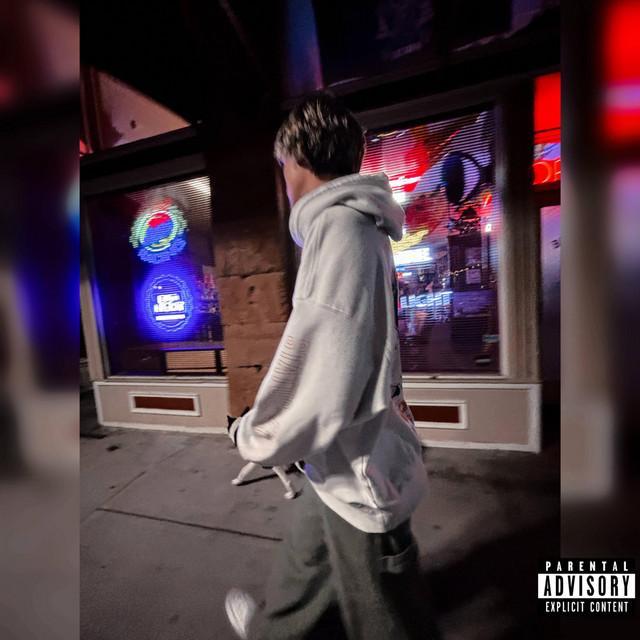
Why “Happy Sober 21st” Hits So Hard
The meaning of Happy Sober 21st SkinnyMikadelox comes into focus fast: this is a song about grief that keeps repeating, sobriety that does not magically heal pain, and the terrible pressure of surviving when other people did not. Rather than celebrating recovery as a clean victory, the track shows how getting sober can uncover emotions that drugs once buried.
"Happy Sober 21st" - SkinnyMikadelox
I'm starting to think that the problem is me
If I close my eyes and start to dream
Loading lyrics...
Unable to load lyrics
We're unable to display the lyrics at this time. Please try again later.
Written by Mike Alger, the song reads like a direct confession. The speaker looks at loss, guilt, relapse thoughts, and self-hatred all at once. What makes it hit so hard is that it refuses easy comfort. It is not a neat recovery anthem. It is a portrait of someone trying to stay alive while carrying too many deaths.
The Birthday Twist That Makes the Song Hurt More
The title sounds cheerful at first, but the song quickly turns that phrase into something bitter. The repeated idea of a “happy” sober birthday is surrounded by funerals, bad memories, and dread. In other words, the birthday is not just a date. It is a trigger.
The central hook, Happy sober 21st
, lands with heavy irony. Instead of marking growth, it marks survival under pressure. The birthday becomes linked to people who died, people who relapsed, and the fear that the same ending could happen again.
Interpretation: The title works because it shows two truths at once. Sobriety is real progress, but grief can make even progress feel cursed.
Grief, Survivor’s Guilt, and the Fear of Being the Problem
Early in the track, the narrator says they lost many friends and starts to wonder if the problem is me
. That line matters because it captures survivor’s guilt in plain language. When deaths pile up, the mind often searches for control, even if that means blaming itself.
The song then deepens that feeling by linking sobriety to painful clarity. Once they got clean, they say they saw the true colors
of people around them. That suggests two kinds of awakening: they can see who is really supportive, and they can no longer hide from what their life has become.
This is one of the song’s strongest ideas. Drugs once softened pain, but sobriety removes that shield. What remains is grief in full detail.
A Story Told in Shocks and Aftershocks
The lyrics move in waves, almost like panic attacks or flashbacks. Instead of a tidy plot, the song gives listeners fragments of crisis:
- They open with fresh losses and emotional exhaustion.
- They connect those losses to old habits and relapse thoughts.
- They describe hearing about a death while trying to get high.
- They return to the birthday as a symbol of doom.
- They end with a painful truth: sobriety is only one step, not the finish line.
That structure matters. The song does not sound resolved because the speaker is not resolved. Their mind circles the same questions, the same dates, and the same temptations.
Getting sober doesn't mean over
It's just a step closer
Those lines are the emotional thesis of the song. Recovery is real, but it does not erase depression, trauma, or mourning.
The Darkest Lines Are About Numbness, Not Drama
Some of the most alarming moments focus on self-destruction. The speaker mentions weapons, overdose, and not leaving a note. These details should not be read as shock value. They show how grief and addiction can merge into a desire to disappear.
Still, the song is careful in one key way: it keeps returning to pain as the cause. A crucial line describes numbing their pain
. That phrase reframes the track. These people are not presented as reckless stereotypes. They are people overwhelmed by suffering and looking for relief.
Interpretation: The song suggests that addiction is not the whole story. Underneath it sits untreated grief, depression, and isolation.
How the Sound Supports the Meaning
Even on the page, the writing has a blunt, diary-like rhythm. Short phrases, abrupt turns, and repeated images create the feeling of someone thinking out loud at the edge of a breakdown. In performance, that kind of writing often works best with sparse production, a heavy beat, or minimal melodic relief, because too much polish would weaken the honesty.
The likely power of the track lies in contrast: the direct rap delivery against emotionally loaded imagery. References to nightmares, bruising, drowning, and pounding heartbeat create a physical sense of panic. The song does not just describe sadness. It describes what sadness feels like in the body.
That bodily language helps explain why the song feels so immediate. Listeners are not asked to decode abstract poetry. They are pulled into a nervous system under stress.
Artist Context and Why the Song Feels So Personal
The available factual context here is limited, but the writing credit points to Mike Alger as the songwriter. That matters because the track feels authored from lived closeness rather than distance. It names specific milestones, friendship roles, and recovery details that make the grief feel firsthand.
For many listeners in the United States, that honesty is part of the appeal. Songs about sobriety often focus on redemption. This one focuses on what comes after the applause stops. It speaks to the quieter reality that someone can be clean and still deeply unwell.
That is also why the song may resonate with people affected by addiction loss. It recognizes a hard truth: every year marker can feel less like celebration and more like a memorial.
The Core Meaning of Happy Sober 21st SkinnyMikadelox
In the end, the meaning of Happy Sober 21st SkinnyMikadelox is about the emotional cost of surviving. The song argues that sobriety is necessary, but not sufficient. A person can stop using and still be haunted by death, guilt, and the fear that happiness may never return.
Its final power comes from refusing false hope. Instead, it offers honesty: recovery is fragile, grief is physical, and birthdays can carry both pride and pain. That tension is what makes the song memorable.
Disclaimer: This interpretation is based on the lyrics provided and limited available context. Meanings can vary by listener, and only the artist can confirm full intent.







