Far Far Away by Slade
A road song with a homesick heart
The meaning of Far Far Away Slade becomes clearer the moment they step back from the travel images. On the surface, the song lists places, lights, cities, and memories collected on the road. Underneath, it is about the strange split feeling that comes with success: seeing the world, entertaining crowds, and still longing for home.
"Far Far Away" - Slade
I've seen the bridges of the world and they're for real
I've had a red light of the wrist
Loading lyrics...
Unable to load lyrics
We're unable to display the lyrics at this time. Please try again later.
Released in 1974 as the lead single from Slade in Flame, the song marked a shift for Slade. They were known in the UK for loud, stomping glam-rock hits, but this single was gentler and more reflective. According to Wikipedia, it reached No. 2 on the UK chart, showing that listeners connected with this different side of the band.
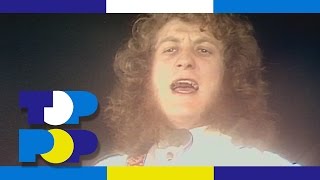
Watch the official Far Far Away
music video
What the lyrics are really saying
The verses move like postcards from a tour diary. They mention the Mississippi, Alaska, Paris, Spain, Rome, and Japan. These details matter because they give the song a lived-in feeling. This is not dream travel. It is work travel, with quick impressions that blur together.
The key idea is that all these big experiences still do not settle the singer. Even after seeing famous places, everything can feel distant or slightly unreal. That is why the repeated line far, far away
matters so much. It is not just about geography. It suggests emotional distance too.
The chorus captures the song’s central tension:
With my head up in the clouds
With my feet down in the crowds
Those two short images summarize life on tour. They are lifted by fame, motion, and fantasy, but they are also stuck in the middle of busy public life. They are celebrated and isolated at the same time.
The chorus turns travel into longing
The smartest thing in the song is how the chorus reframes the verses. The travel scenes may sound exciting at first, but the hook reveals their emotional cost. The phrase the call of home
turns the whole song inward. Home is not described in detail, yet it becomes the loudest presence in the track.
That contrast explains why the song still lands. Many road songs celebrate freedom. This one does, but only partly. Slade let the listener feel the thrill of movement while quietly admitting that movement can wear a person down.
Interpretation: the song is not anti-travel or anti-fame. Instead, it says that adventure loses some shine when they cannot share it in a place that feels truly theirs.
Where the song came from
Context strengthens that reading. The opening image reportedly came to Noddy Holder while touring the United States and looking out over the Mississippi in Memphis. Songfacts summarizes Holder’s BBC Radio 2 recollection that manager Chas Chandler urged him to write the song right then, and a basic version came quickly. Jim Lea later helped shape the chorus, making the song a real collaboration.
That story matters because it fits the lyric exactly: a striking travel image sparks a song, but what comes out is not simple sightseeing wonder. It is homesickness. Dave Hill later described the lyric as being about being abroad and wanting to go back home, which lines up with what listeners hear in the chorus.
Why the softer sound matters
Musically, this is one of Slade’s most important pivots. Produced by Chas Chandler, the track keeps the band’s sing-along gift, but it trades some of their usual stomp and shout for space, melody, and warmth. Contemporary reviews noticed that difference, with some critics calling it smoother and more mid-paced than their earlier hits.
That production choice supports the meaning of Far Far Away Slade. The strummed guitars, steady drums, and open arrangement create a floating feeling, almost like a moving train or passing landscape. Holder’s vocal sounds strong but not aggressive. He sounds like someone remembering, not commanding.
There is also a useful emotional mismatch in the song. The melody is catchy and accessible, yet the feeling underneath is wistful. That tension mirrors the lyric: they are lettin' loose around the world
, but they are not fully free.
Images, symbols, and repeated ideas
Several motifs run through the song:
- Lights: They suggest beauty, distance, and passing moments.
- Famous places: These stand for success and movement.
- Crowds: They hint at performance, public life, and loneliness inside noise.
- Home: It appears less as a location than as a pull, almost a voice.
One especially strong phrase is still seems so unreal
. Even if the exact sights are vivid, the experience does not fully settle into something solid. That helps explain why memory fills the song. The singer is living the journey and already looking back on it.
A broader reading of the song
There is an obvious reading here: it is a touring song about missing home. That is the strongest factual takeaway.
Interpretation: there is also a second layer about fame itself. The line between wonder and disconnection gets thin when life becomes a string of hotels, crowds, and landmarks. The song suggests that success can raise them up while also making ordinary belonging harder to keep.
That may be why the song endured beyond its first release. It was later reused and reissued, including a 1993 German revival noted by Songfacts. Its emotional idea is simple and durable: people can get what they wanted and still ache for something quieter.
Why it remains one of Slade’s best-loved songs
Part of the song’s appeal is balance. It is easy to sing, but not shallow. It is descriptive, but not over-written. It sounds warm, yet it carries sadness. For fans who know Slade mostly through louder anthems, this track reveals how good they were at emotional shading.
In the end, the meaning of Far Far Away Slade is about distance in two forms: miles traveled and feelings stretched thin. They have seen the world, but the song says that experience alone does not cure longing. Sometimes it sharpens it.
That is why the chorus sticks. It turns a travel log into a human truth: they can be out in the world, high on motion and surrounded by people, and still hear home louder than anything else.
Disclaimer: This interpretation separates documented background from critical reading. As with any song, some meanings remain open to the listener.







