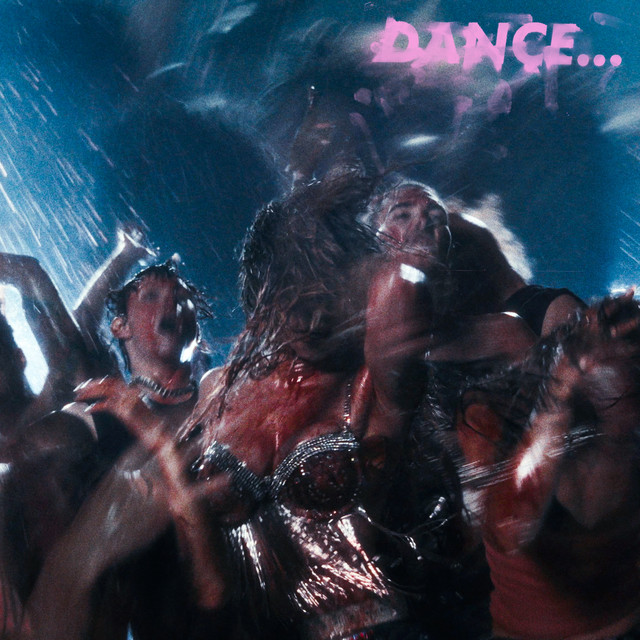
Why ‘DANCE...’ Turns Hate Into Motion
The meaning of DANCE... Slayyyter comes down to one sharp idea: they refuse to let a bad person, bad night, or bad feeling steal the one thing that still feels alive. The song is not about healing in a soft way. It is about surviving the room, holding onto control, and choosing movement over collapse.
"DANCE..." - Slayyyter
I'm unhappier now
Ooh-oh
Loading lyrics...
Unable to load lyrics
We're unable to display the lyrics at this time. Please try again later.
Released on January 16, 2026 as the fourth single from Worst Girl in America, the track marked a big moment for Slayyyter’s rollout and later became a viral hit on TikTok, according to Wikipedia. That rise matters because the song itself is built around a simple, highly shareable emotional switch: disgust turns into power the second the beat takes over.
A club song with teeth
At first glance, “DANCE...” sounds like a party record. It has the glossy pull of electropop and dance-pop, but there is something colder underneath. Reviews picked up on that tension. Stereogum called it dark and seductive, while Billboard described it as a dance-floor “siren call” with ominous production. Those reactions fit the song well: it invites people in, but it never pretends the night is safe or innocent.
That is what makes the track more interesting than a basic escape anthem. The speaker is not dancing because everything is fine. They are dancing while angry, put off, and emotionally cornered. Early lines like I'm unhappier now
set that mood right away. Instead of building toward comfort, the song builds toward release.
The central conflict: attraction, disgust, and control
The verses sketch a scene most listeners can picture. Someone in the room talks too much, acts fake, and brings a heavy energy. The singer notices every detail, from the social performance to the emotional drain. A phrase like fake smile
says a lot with very little. The problem is not just one rude person; it is the whole exhausting ritual of nightlife, where people posture, flirt, and provoke.
Still, the song does not stay in observation mode. It moves toward confrontation, though not in a loud or direct way. The key emotional twist arrives in the chorus with let me dance
. That line is less a request than a boundary. They are saying: yes, this person is irritating; yes, the situation is toxic; no, that will not ruin the night.
Interpretation: the repeated push to dance acts like a refusal to be emotionally captured. Even when the singer admits I kinda hate you
, they do not stay in that feeling. They redirect it into motion, rhythm, and self-possession.
How the hook reframes the whole song
The chorus is the reason the track lands so hard. Instead of offering a clean message like self-love or revenge, it chooses a messier truth. Sometimes people do not feel noble. They feel annoyed, disgusted, maybe even mean. “DANCE...” does not hide that. It turns those feelings into a physical command.
There is also a streak of total independence in the song. When the lyric says I don't need anyone
, it pushes the theme beyond one bad encounter. This is bigger than ignoring an ex or brushing off a stranger. It is about reclaiming the self in a space where attention is constantly being demanded.
I came here to party
I'll end it in the morning
That brief section matters because it gives the song a timeline. The singer enters the night with one purpose, gets pulled into conflict, and then mentally shrinks the whole drama down to something temporary. By morning, the other person will seem small.
Sound and production: why it feels both glamorous and hostile
A lot of the meaning of DANCE... Slayyyter comes from the production, not just the words. The track is credited to producer Valley Girl, with writing by Catherine Slater, Kyle Shearer, and Nate Campany. Sonically, it sits between electropop, dance-pop, and electroclash. That blend is important because electroclash often carries attitude, sharp edges, and a little sleaze, while pop makes the feeling immediate and catchy.
The beat does not sound warm or comforting. It pulses. The synths buzz and loom. The vocal delivery feels breathy but not fragile, seductive but detached. That combination mirrors the lyric’s emotional split: the singer is in the crowd, but they are also defending themselves from it.
Interpretation: the production turns the dance floor into a battleground. The song does not imagine the club as pure freedom. It shows freedom as something won moment by moment.
Slayyyter’s persona helps explain the song
Slayyyter has long worked in a lane where glamour, danger, irony, and excess all mix together. On paper, “DANCE...” fits that image perfectly. But the song also sharpens it. Rather than just playing the bratty pop star, they sound deeply aware of how ugly social energy can get.
That may be one reason the song connected online and onstage. As Wikipedia notes, it became a sleeper hit, charted in multiple countries, and gave Slayyyter a performance spot on The Tonight Show Starring Jimmy Fallon. People likely responded not only to the hook, but to the emotional honesty hidden inside the club sheen. Plenty of songs say “dance like nobody’s watching.” This one says dance while everyone is annoying.
Final takeaway on the song’s meaning
In the end, the meaning of DANCE... Slayyyter is about choosing bodily freedom over emotional contamination. The singer cannot control other people’s fakery, hostility, or neediness. They can control whether they freeze or move.
That is why the song feels both bitter and exhilarating. It is not an anthem of peace. It is an anthem of defiance through pleasure.
Disclaimer: This interpretation is based on the released lyrics, production, and public context. As with any song, listeners may hear different meanings in it.








