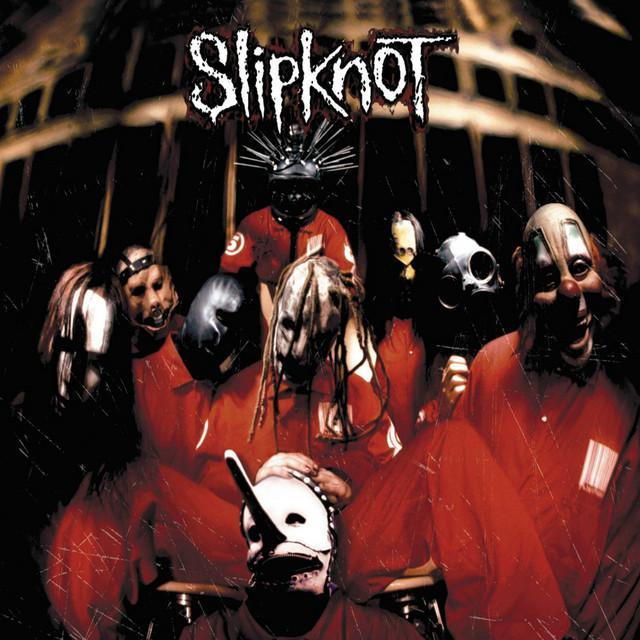
Liberate by Slipknot
Slipknot’s "Liberate" is one of the clearest early examples of how the band turned rage into structure. For listeners searching for the meaning of Liberate Slipknot, the song is less about random aggression and more about a person trying to break out of pressure, false rules, and emotional lockdown.
"Liberate" - Slipknot
Liberate, my madness
I just want to
Loading lyrics...
Unable to load lyrics
We're unable to display the lyrics at this time. Please try again later.
It appeared as track 10 on Slipknot’s self-titled debut, released June 29, 1999, through Roadrunner Records, a record widely treated as the band’s explosive mainstream arrival. That placement matters because "Liberate" sits in the middle of an album built on alienation, disgust, and survival.
The Core Idea Behind the Chaos
At its center, the song is about release. The repeated hook, liberate my madness
, frames "madness" not just as instability, but as bottled emotion, identity, and instinct. They are not asking for calm. They are asking for room to be honest.
Interpretation: The song presents repression as dangerous. When the speaker talks about shutting themselves off and building barriers, it suggests a person who has tried to contain pain or anger for too long. The goal is not polite healing. The goal is rupture.
That is why the song keeps returning to conflict language. Phrases like section off myself
and put a wall up
suggest self-protection, but they also imply damage. The speaker has survived by becoming defensive, and now that defense feels like another prison.
Watch the official Liberate
music video
A Voice Fighting for Selfhood
The first-person voice is direct, ugly, and proud. When the song says I am one, I am all
, it sounds like an attempt to rebuild identity from the ground up. Instead of accepting labels from outsiders, the speaker creates a bigger, harder version of the self.
That matters because much of the lyric targets outside judgment. The speaker rejects lies, fake values, and social roles that feel imposed. In simple terms, they would rather be called unstable than become obedient.
There is also a strong anti-hypocrisy streak. The recurring phrase garbage in is garbage out
works like the song’s thesis on corruption. If people feed a system with lies, cruelty, and empty values, they should expect rotten results. The line is blunt, but it is also logical.
How the Song Moves Emotionally
One reason the meaning lands so hard is its emotional shape. The song does not tell a detailed story with scenes and characters. Instead, it moves through stages of pressure.
- First, the speaker admits separation and self-defense.
- Then, they confront outside forces with threats and contempt.
- After that, the song widens into disgust with a larger system.
- Finally, the chorus returns as a demand for release.
That bridge is especially important. It shifts from personal anger to social rejection, climaxing in the accusation fraud
. In other words, the problem is not just one enemy. It is a whole environment of betrayal, performance, and false authority.
The Sound Is Part of the Message
"Liberate" is on Slipknot’s 1999 debut, an album known for combining extreme metal with turntables, samples, extra percussion, and a nine-member attack that helped define late-1990s nu metal. Even without getting overly technical, the arrangement explains the song’s meaning.
The guitars hit in sharp, bouncing patterns rather than smooth flow. The drums push forward with a physical, marching force. Corey Taylor’s vocal switches between chant, bark, and near-breakdown, making the song feel like a mind trying to stay in control while also wanting to explode.
Interpretation: The production mirrors confinement versus release. Tight riffs and repetitive chant create a boxed-in feeling. Then the vocal intensity and rhythmic pile-up make it feel like the box is cracking.
That is why the chorus works. It is catchy, but not comforting. It feels more like a pressure valve opening.
Why “Madness” Does Not Mean Weakness
A key part of the meaning of Liberate Slipknot is the word “madness” itself. In many songs, madness means collapse. Here, it sounds closer to raw truth. The speaker seems to believe that what society calls madness may actually be a more honest response to a corrupt world.
There is a revealing line of thought in the song: what is necessary is not always humane. That suggests survival can make a person hard, suspicious, and violent in tone. The song does not celebrate kindness. It exposes what happens when someone feels cornered long enough.
This is where Slipknot’s early image matters. Their debut-era work often turned masks, noise, and confrontation into symbols of emotional overload rather than simple shock. "Liberate" fits that frame well: it sounds monstrous because the speaker feels trapped in a monstrous setting.
More Than Anger: Two Strong Readings
There are at least two persuasive ways to read the song.
Reading One: Personal breakdown as self-assertion
The speaker may be trying to reclaim a damaged self. The walls, shame, pressure, and need to release “madness” all point toward inner conflict. In this reading, the song is about refusing to hide the ugliest parts of the mind.
Reading Two: A revolt against toxic systems
The bridge strengthens this reading. The speaker says they cannot belong to a system like this, then attacks it as fake. Here, the song becomes a rejection of social control, groupthink, and empty moral posturing.
Both readings can be true at once. Slipknot often made songs where internal pain and external disgust feed each other.
Why the Song Still Connects
"Liberate" still hits because it captures a feeling many heavy music fans know well: the fear that self-control can become self-erasure. The song argues that suppression has a cost, and that anger sometimes rises because a person feels unseen, lied to, or trapped.
For that reason, the meaning of Liberate Slipknot is not just rage for its own sake. It is rage as resistance, identity, and release.
Disclaimer: This interpretation is based on the released lyrics, the song’s sound, and Slipknot’s broader artistic context. As with most art, listeners may reasonably hear different meanings in it.