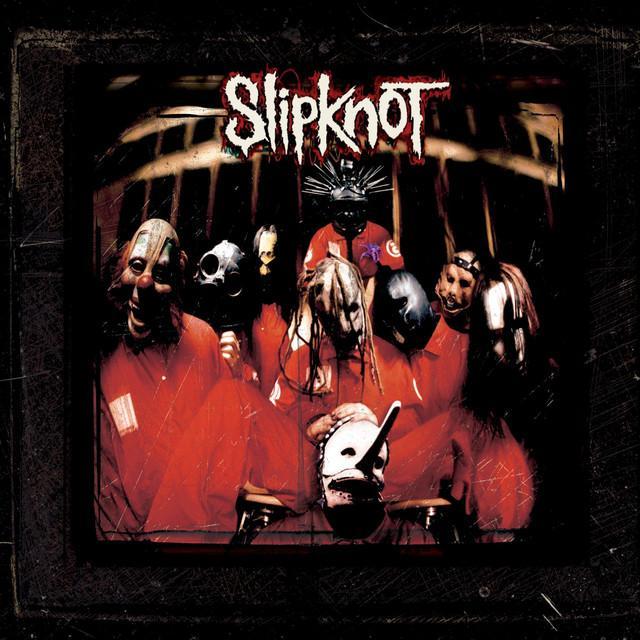
Only One by Slipknot
Slipknot turn a fight into a statement of identity, and that is the key to the meaning of Only One Slipknot.
"Only One" - Slipknot
Provided by LyricFindPain, made to order
Pain, made to order
Pain, made to orderLoading...Loading lyrics...
Unable to load lyrics
We're unable to display the lyrics at this time. Please try again later.
A Song That Sounds Like a Challenge
To understand the meaning of Only One Slipknot, it helps to start with the mood. This is not a reflective song. It is blunt, loud, and confrontational. From the opening idea of pain being manufactured on purpose, the track presents conflict as something expected, even prepared for.
On a factual level, “Only One” appeared on Slipknot’s self-titled 1999 album, and an earlier version existed on Mate. Feed. Kill. Repeat. before the band’s major-label breakthrough. That long history matters because it shows the song belongs to the group’s formative identity, not just a passing feud or one-off outburst.
Watch the official Only One
music video
The Core Meaning: Self-Ownership Under Pressure
At its center, the song is about refusing control. The speaker sees the world as full of fake noise, ego, and hostile judgment. In response, they draw a hard line around the self.
That is why one of the song’s most important phrases is I belong to only me
. Paraphrased, the idea is simple: nobody else gets to define them, claim them, or rewrite who they are. The song’s anger is not random. It comes from feeling challenged, copied, dismissed, or cornered.
Interpretation: They are not just threatening an enemy. They are protecting identity. In that reading, the song is about artistic originality and personal sovereignty at the same time.
Who They Seem To Be Fighting
The verses sound like a direct confrontation with rivals or critics. When the speaker says I'm the first wave
, they reject the idea that they are a follower. They are not a second-rate version of someone else. They present themselves as the force that arrives first and leaves the biggest mark.
Songfacts notes that many listeners have connected the song to Slipknot’s early conflict with Mushroomhead, a band that was often brought up in comparisons. That context fits lines about branding, imitation, and rivalry, though it remains an interpretation rather than settled fact.
Why the Chorus Hits So Hard
The chorus reduces everything to survival: Only one of us walks away
. Even without graphic detail, that hook creates a world where compromise has collapsed. Someone wins, someone loses.
That is what gives the song its dramatic power. The verses brag and taunt, but the chorus sharpens the message into a final test. This is no longer only about trash talk. It becomes a fight over space, pride, and legitimacy.
All I hear is human noise
I belong to only me
Those two short lines work together. First, the outside world is reduced to meaningless chatter. Then the speaker answers that chaos with self-possession.
Rage, Ego, and Isolation
Another key phrase is human noise
. The song treats other voices as empty distraction. That detail matters because it pushes the speaker into isolation. They are not looking for community here. They are separating themselves from everyone else.
That isolation is both strength and weakness. On one hand, it makes the speaker seem powerful, impossible to manipulate. On the other, it suggests they no longer trust anyone enough to listen.
Interpretation: This duality is central to the meaning of Only One Slipknot. The song celebrates self-rule, but it also shows what self-rule can look like when it grows from hostility and alienation.
How the Sound Carries the Message
Musically, “Only One” fits Slipknot’s early metal attack: pounding drums, hard-edged riffing, abrupt transitions, and vocals that shift between rhythm-heavy shouting and explosive barked lines. That production style makes the song feel physical, like a shove or a dare.
The arrangement matters as much as the words. The groove has a stomping quality, and the repeated chorus feels less like reflection than ritual. Every return to the hook increases the sense that the speaker has locked into a single outcome.
This is one reason the track works so well within the band’s 1999 era. Early Slipknot often turned chaos into structure. Even when the lyrics sound unstable, the band plays with fierce control, which reinforces the idea that rage is being aimed with purpose.
Another Reading From the Song’s History
There is also an older, alternate lens. A Slipknot Wiki page cites former vocalist Anders Colsefni describing the earlier version of “Only One” as coming from the viewpoint of a peacekeeper who is mocked until they finally fight back. That source refers to the Mate. Feed. Kill. Repeat. version, not necessarily the exact later lyric sheet, but it is still useful context.
That reading changes the song in an interesting way. Instead of pure aggression, it becomes a story of patience breaking. In that frame, the violence is not the starting point. It is the last resort of someone who feels ignored and disrespected.
The Lasting Meaning of Only One Slipknot
So what is the meaning of Only One Slipknot in plain terms? It is a song about drawing a line when identity feels under attack. It mixes ego, anger, and survival instinct into one message: they will not be owned, copied, or talked over.
The reason it lasts is that it can mean more than one thing at once. It can sound like a diss track, a personal manifesto, or a general statement of war against pressure from outside voices. Slipknot make all three possibilities feel believable.
Final Take
“Only One” is one of Slipknot’s clearest early statements of defiance. It is less about subtle storytelling than raw position-taking: they are here, they are original, and they will not back down.
Disclaimer: This article offers interpretation based on the song’s lyrics, known band context, and documented fan discussion. Like many Slipknot songs, “Only One” can support more than one reading.