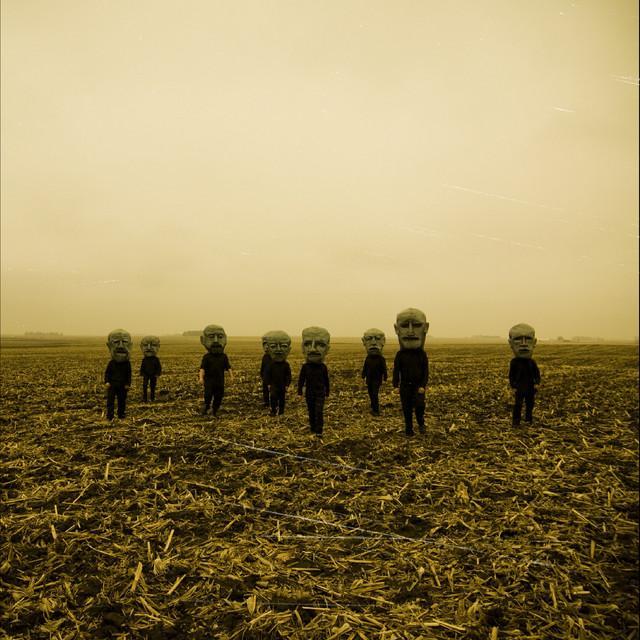
Psychosocial by Slipknot
Slipknot’s “Psychosocial” is one of their clearest anthems of rage, decay, and group identity. For many listeners, the meaning of Psychosocial Slipknot comes down to this: they are attacking a broken culture while also showing how that culture poisons the people trapped inside it.
"Psychosocial" - Slipknot
I did my time, and I want out
So effusive, fade, it doesn't cut
Loading lyrics...
Unable to load lyrics
We're unable to display the lyrics at this time. Please try again later.
Released as the second single from All Hope Is Gone in 2008, the track became one of the band’s signature songs and earned a Grammy nomination for Best Metal Performance. It was produced by Dave Fortman and appeared on Slipknot’s fourth studio album. Those facts are widely documented in major reference sources and music databases.[1][2]
Where the song stands in Slipknot’s career
“Psychosocial” arrived at a key moment. Slipknot were already famous for chaos, speed, and shock, but this song leaned into a more controlled, crushing groove. That mattered. Critics noted the track’s pounding rhythm and complex breakdown, which helped it stand out even in a catalog full of aggression.[1][2]
Corey Taylor gave an important clue to the song’s purpose when he said it was very much about us
and about what the band can do when focused.[2] That means the song is not only social commentary. It is also a self-portrait of Slipknot as a unit under pressure.

Watch the official Psychosocial
music video
The core meaning: social rot meets inner collapse
On the surface, the verses sound like a broad attack on hypocrisy, greed, and fake moral authority. Images of graves, money, and perversion point to a world where ideals have been sold off. When the narrator says I did my time
, they sound tired of being trapped in that system.
Interpretation: the song suggests that public corruption and private damage feed each other. Society becomes sick, and the people inside it become numb, furious, or self-destructive.
That is where the title matters. “Psychosocial” blends the psychological and the social. The song is interested in what happens when cultural failure gets inside a person’s head. It is not just about bad leaders or bad institutions. It is about what those forces do to identity, trust, and rage.
Why the chorus feels so huge
The chorus expands the song from complaint into warning. The line the rain will kill us all
sounds apocalyptic, but the point is bigger than literal disaster. The image feels like a poisonous environment that reaches everyone.
Then comes one of the song’s most revealing phrases: the martyr in me
. That line suggests a person who knows they are suffering but may also be holding onto that suffering as proof of righteousness. In plain terms, the song is not only accusing the world. It is also questioning the human habit of turning pain into identity.
And the rain will kill us allThrow ourselves against the wallBut no one else can seeThe preservation of the martyr in me
This is the emotional center of the song. They feel surrounded by destruction, but they also know there is ego in their own anger.
Breaking down the key images
Slipknot pack the song with hard, ugly imagery. The road with cracks suggests a project, belief system, or culture that looked solid but was always flawed. The fallen temple points to broken institutions. Money stuffed into a mouth turns greed into something bodily and disgusting.
Another sharp phrase is there are cracks in the road
. That line captures the song’s worldview: collapse was already built into the structure. Likewise, we could start over
introduces a brief flash of hope, but it sounds doubtful rather than optimistic.
Interpretation: the song presents destruction and renewal side by side, but it does not fully trust renewal. It sounds like they want a reset while suspecting people will rebuild the same mess.
A song about the band, too
There is a second reading that fits the available artist comments. Corey Taylor described the song as a kind of love song to Slipknot, built on tension between a mechanical edge and a human vocal performance.[2] Joey Jordison also said the track came together through collaboration after he and Paul Gray began shaping it.[1]
That context changes the lyrics. Lines about division, emptiness, and being not the only one
can reflect the pressure of keeping a nine-member band united while fame, expectation, and conflict grow around them. In that reading, “Psychosocial” is about surviving a toxic world by becoming more focused as a collective.
How the sound carries the message
The production is a big part of the meaning. Instead of nonstop speed, the song uses a thick, steady groove. Rolling Stone highlighted that slower, bludgeoning feel and the track’s violent rhythmic shift near the end.[1][2]
That musical choice matters because it makes the song feel industrial, heavy, and unavoidable. The guitars grind instead of just sprinting. The drums hit like machinery. Taylor’s voice moves between accusation and desperation, giving the song both social force and human pain.
This balance matches the title perfectly: part system, part psyche.
Why “Psychosocial” still connects
The song still works because it never narrows itself to one event. Its anger can fit politics, media culture, organized hypocrisy, or personal burnout. It speaks to the feeling that public life is corrupt and that people absorb that corruption until they no longer know whether they are resisting it or repeating it.
That is why the meaning of Psychosocial Slipknot remains compelling. It is a protest song, a self-critique, and a band manifesto at the same time.
Final takeaway
“Psychosocial” is about social breakdown and the damage it does to the self. It attacks greed, false holiness, and empty systems, but it also admits that rage can become its own trap. That tension gives the song its lasting power.
Interpretation note: song meanings are not fixed, and this reading combines documented band comments with close lyrical analysis.