Why Slipknot's “Sulfur” Feels So Unsettling
The meaning of Sulfur Slipknot becomes clearer when they stop hearing it as a simple anger song. It sounds aggressive, but its real subject is self-knowledge. The narrator is not just attacking the world. They are wrestling with guilt, identity, and the ugly parts of themselves that never fully disappear.
"Sulfur" - Slipknot
Always sell me short, always feel the same
And my face and my soul
Loading lyrics...
Unable to load lyrics
We're unable to display the lyrics at this time. Please try again later.
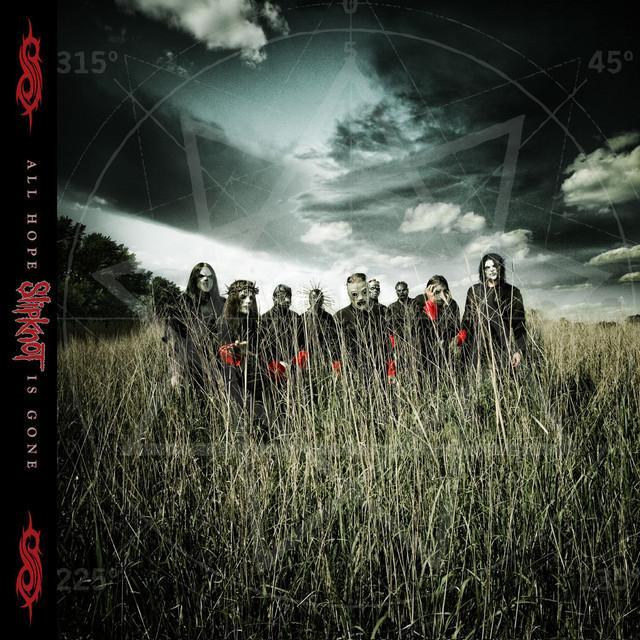
Released as the fourth single from All Hope Is Gone in 2009, after appearing on the 2008 album, “Sulfur” sits in a period when Slipknot were balancing brutality with sharper melody and structure. Factually, the song is tied to that era of the band, and it was produced by Dave Fortman. It was also the last Slipknot video to feature the full original lineup with Paul Gray, and the final video appearance of Joey Jordison, which gives it extra historical weight.
The Song’s Core: Living With What Burns
At the heart of the song, the speaker feels worn down by inner pressure. Early lines describe guilt and shame as forces that keep cutting them down. That matters because the verses do not present pain as a passing mood. They present it as a long-term condition.
Still, the song is not surrender. Even when the narrator says they will suffer for the rest of my life
, the next idea is survival. They refuse to call themselves finished. That pairing is the key to the song: pain is real, but it does not get the final word.
Interpretation: this is a song about accepting that a damaged self is still a self worth defending. The narrator may be scarred, harsh, and isolated, but they would rather live honestly with that than fake purity.

Watch the official Sulfur
music video
Why the Chorus Hits So Hard
The chorus turns the song from confession into declaration. The line you won't run away
suggests that real identity only appears when escape is no longer an option. In other words, they do not know who they are until they stand still inside the discomfort.
That is where the title image comes in. The phrase breathing in sulfur
makes emotional pain feel physical. Sulfur suggests stink, heat, poison, and hellish imagery. It is something harsh enough to choke on.
But the image is more complicated than simple disgust. Shawn Crahan once described sulfur as a smell people either love or hate, adding that if they hate it, it can feel suffocating. That idea fits the chorus perfectly: the same inner force that repels others may feel familiar, even necessary, to the person living with it.
A Voice Split Between Shame and Pride
One reason “Sulfur” feels so tense is that its narrator keeps changing stance. In one moment, they sound beaten down. In the next, they sound proud, even arrogant. They call themselves a sinner to some and wise to others. They admit they might be wrong, yet still claim superiority.
This is not sloppy writing. It is the point. The song captures a mind trying to hold opposite truths at once: self-loathing and self-respect, weakness and endurance, doubt and certainty. When they insist the only will is my own
, it sounds less like freedom and more like defensive survival.
Interpretation: the speaker may be rebuilding a sense of self after years of measuring themselves through other people’s judgment. That reading fits a brief comment Corey Taylor gave to Kerrang! in 2008, where he said the song reflected a stronger period in his life and learning to accept the messed-up parts of himself.
The Sound Makes the Meaning Physical
Musically, “Sulfur” helps its message by feeling both tight and unstable. The riffing has punch and groove, but there is also a constant sense of push. Joey Jordison said it was the first song he and Jim Root wrote together, with Root shaping the riffs and Jordison helping build the structure. That origin helps explain why the track feels so locked in.
The arrangement mirrors the lyrics. The verses feel compressed, like thoughts circling inward. Then the chorus opens just enough to sound like a release, but not a peaceful one. Corey Taylor’s vocal moves between bite and melody, which matches the song’s emotional split.
Slipknot’s production choices matter too. The guitars grind without turning muddy, the drums drive hard, and the hook is memorable without softening the menace. That balance is why the song feels catchy and corrosive at the same time.
Video Imagery Deepens the Song
The video adds another layer to the meaning of Sulfur Slipknot. Directed by Shawn Crahan and P. R. Brown, it places members underwater, using suffocation as a visual metaphor. Crahan linked that idea directly to sulfur’s divisive, choking quality.
That image works with the lyrics about not running away. Water becomes a stand-in for inner pressure: fear, panic, and the need to endure. They are submerged, but still present. That mirrors the song’s emotional logic exactly.
Stay
you don't always know where you stand
'til you know that you won't run away
Even in this brief section, the message is clear: identity is tested under pressure, not comfort.
Final Reading: Not Redemption, But Recognition
The best way to understand “Sulfur” is as a song about recognition rather than healing. It does not promise that guilt, rage, or ugliness will vanish. Instead, it says a person may still survive by facing those things directly.
That is why the track remains powerful. It gives listeners a dark but honest idea: sometimes strength is not becoming clean. Sometimes it is learning how to live with what burns.
Disclaimer: This interpretation is based on the lyrics, available artist comments, and documented context. As with most songs, meaning can stay open to more than one valid reading.