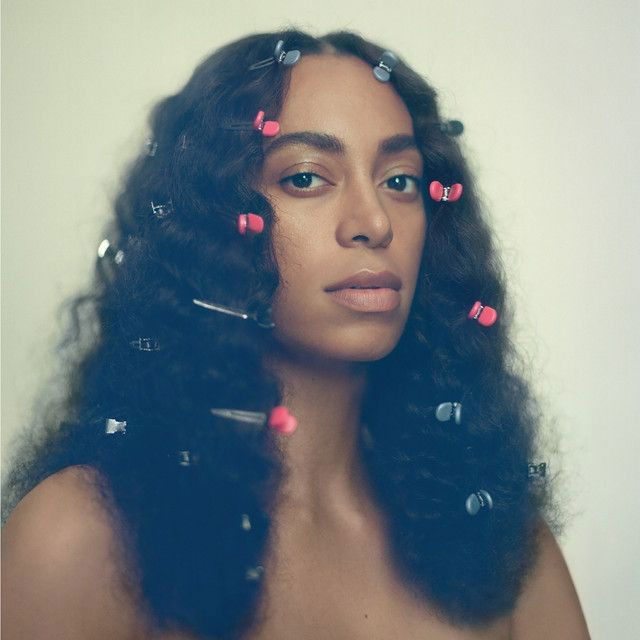
Why Solange’s Boundary Song Still Hits
The meaning of Don't Touch My Hair Solange, Sampha starts with a simple boundary and grows into something much bigger. On the surface, the song asks people not to touch someone’s hair. Under that request, though, sits a message about identity, respect, and the right to define one’s own body.
"Don't Touch My Hair" - Solange ft. Sampha
When it's the feelings I wear
Don't touch my soul
Loading lyrics...
Unable to load lyrics
We're unable to display the lyrics at this time. Please try again later.
Released on A Seat at the Table on September 30, 2016, the track features Sampha and became one of the album’s clearest statements of self-protection and pride. It was written by Solange Knowles and Sampha Sisay, and production credits include Solange, Sampha, Dave Sitek, Patrick Wimberly, and Bryndon Cook, according to available release data and reference sources.
A boundary that carries history
At its core, the song says that touching hair without consent is not a small thing. Solange turns that act into a symbol of how people cross personal and cultural boundaries. When they repeat Don't touch my hair
, they are not only talking about style. They are defending personhood.
The song quickly widens that meaning. Hair connects to lines about soul, pride, truth, and crown. That shift matters. It suggests that what outsiders may dismiss as casual curiosity can feel like disrespect toward a whole self.
Interpretation: The song frames hair as an extension of inner life. To reach for it without permission is to ignore the feeling, labor, and history attached to it.

Watch the official Don't Touch My Hair
music video
Why hair becomes the perfect symbol
Solange’s lyric uses hair because it is visible, intimate, and loaded with social meaning. In Black culture, hair often carries family memory, beauty practices, creativity, and survival. The song points to that emotional weight with the phrase the feelings I wear
.
That line is key. It suggests that hair is not decoration sitting on top of identity. It is part of identity made visible. The repeated claim this here is mine
then makes ownership explicit. The speaker is saying that their body, expression, and image do not belong to public opinion.
This reading fits comments around the song’s reception. Critics described it as a statement on bodily autonomy and personal identity, while others noted how it speaks directly to the policing of Black hair and Black space in everyday life.
The song’s emotional movement
There is not a complex plot here. Instead, the song moves in emotional circles, and that design is effective. It builds its point through repetition.
Three key moves shape the song:
- It names a boundary.
- It explains that others
don’t understand
what is at stake. - It answers that misunderstanding with ownership and resolve.
The repeated question What you say to me?
adds tension. It sounds less like confusion than challenge. The speaker seems to pause, stare back, and ask others to hear how disrespect sounds when it is directed at them.
A short lyrical pivot
The central idea becomes clearest when the song links outer appearance to inner life:
Don't touch my soul
Don't touch my crown
Those brief lines move the song from a personal request to a wider declaration. Hair becomes soul, then crown. What started as etiquette becomes dignity.
How Sampha changes the feeling
Sampha’s feature matters because his voice softens the edges without weakening the point. Solange sounds firm, elegant, and controlled. Sampha adds warmth and a floating response that makes the song feel shared, almost ceremonial.
That blend helps the track avoid sounding like a lecture. Instead, it feels meditative. The protest is present, but it is carried through calm repetition, not shouting.
Interpretation: Their pairing suggests solidarity. The message belongs to Solange’s perspective, but the emotional space around it feels communal.
Production that protects the message
The production is one reason the song lasts in memory. Critics at the time noted its soft pulse, glowing synths, and hazy horns. That sound matters because it creates a gentle surface for a hard truth.
Rather than using aggressive drums or a dramatic explosion, the track moves with patience. The groove feels steady, almost like breathing. That choice mirrors the song’s message: setting a boundary does not need chaos to be powerful.
The arrangement also reflects A Seat at the Table as a whole. The album often turns inward, using restraint and space to hold difficult feelings. “Don’t Touch My Hair” fits that approach perfectly. Its elegance is part of its force.
Context makes the song even sharper
The song’s cultural meaning becomes clearer beside Solange’s broader work from that era. In writing connected to the album, she described experiences of racism and unwanted touching, including having hair touched in a mostly white bar. That real-world context helps explain why the lyric lands with such precision.
The music video, released days after the album, deepened that message through imagery of different Black hairstyles and careful, graceful movement. The visuals present hair not as novelty but as art, inheritance, and self-fashioning.
Even without being pushed as a major official single, the song still reached the Billboard Hot 100, peaking at No. 91, and hit No. 38 on the Hot R&B/Hip-Hop Songs chart. That modest chart run does not capture its true impact. Its real life has been as a cultural statement and enduring anthem.
The lasting meaning of “Don’t Touch My Hair”
The meaning of Don't Touch My Hair Solange, Sampha is ultimately about consent and self-definition. The song says that what seems small to one person may carry history to another. Hair is the entry point, but the deeper subject is respect.
That is why the track still resonates. It is specific enough to speak to Black women’s lived experience, yet broad enough to connect with anyone who has had their boundaries treated as optional.
Solange and Sampha do not just ask to be left alone. They ask to be understood on their own terms.
Disclaimer: This article offers interpretation based on the lyrics, artist context, and public reception. Song meanings can remain open, and different listeners may hear different layers.









