Why 'Cry to Me' Still Feels So Human
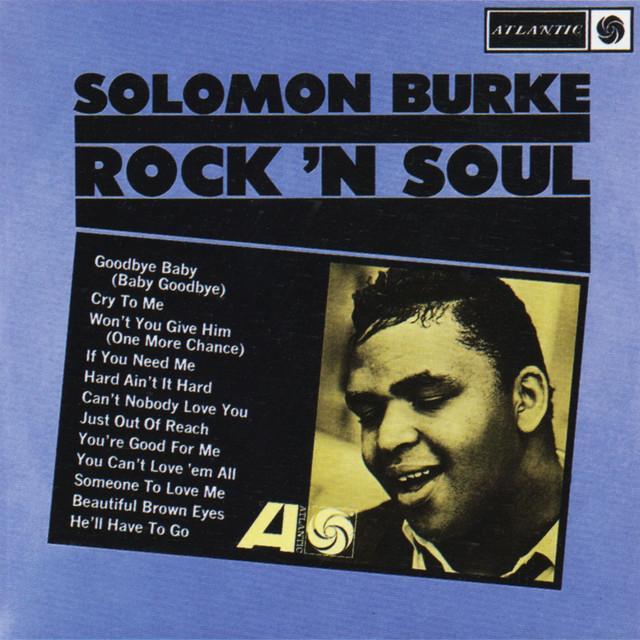
The meaning of Cry to Me Solomon Burke starts with a simple idea: heartbreak hurts less when someone chooses to stay close. Recorded by Solomon Burke in 1961 and released as a single in 1962, the song was written by Bert Berns, who used the name Bert Russell, and produced for Atlantic during Burke’s early rise as a soul star. It later appeared on Rock 'n Soul and became one of Burke’s defining recordings.
"Cry to Me" - Solomon Burke
And nobody calls you on the phone
A-don't you feel like a-cryin'?
Loading lyrics...
Unable to load lyrics
We're unable to display the lyrics at this time. Please try again later.
Even now, the song stands out because it does not treat sadness as shameful. It treats tears as the beginning of connection.
The Heart of the Song Is Comfort, Not Pity
At its core, the narrator speaks to a person left behind after a breakup. The verses describe isolation in everyday detail: an empty room, a phone that does not ring, and memories that stay in the air. Instead of watching from a distance, the singer steps in and says, in effect, come lean on me.
That is why the hook matters so much. When Burke repeats cry to me
, he is not only offering sympathy. He is offering presence. The song suggests that loneliness becomes unbearable when it is silent and private, but it can change when another person answers it.
Interpretation: This is what gives the record its unusual warmth. It is not about winning someone back. It is about becoming a safe place.

Watch the official Cry to Me
music video
How the Lyrics Build a Scene of Loneliness
The writing is direct, but it is carefully shaped. Bert Berns fills the song with small, physical signs of absence. The image of a lonely room
makes grief feel enclosed. The mention of the smell of her perfume
shows how memory can linger after a person is gone.
Later, the song turns to nighttime waiting, when someone hopes for a call or a voice and gets nothing back. That detail makes the loss feel active, not past tense. The pain is happening in real time.
Nothing can be sadder
than a glass of wine alone
That brief moment captures the song’s message in miniature. Even comfort can feel empty when no one shares it.
A Voice That Speaks Like a Hand Reaching Out
One reason the meaning lands so strongly is Burke’s delivery. Writers and historians often describe his style as rooted in gospel and Black preaching traditions, blending speech, melisma, and emotional emphasis. On this track, that approach turns the lyric into something personal and persuasive, not just melodic.
According to the research collected on the song’s history, Burke initially resisted the ballad because he thought it moved too slowly. He later recorded it anyway, and that slower pace became part of its power. The finished recording was arranged by Klaus Ogermann and produced by Berns in New York, with session players including Hank Jones on piano and a full rhythm-and-horn backing.
Interpretation: The performance sounds like someone talking a wounded person back into the world.
Why the Music Feels Tender and Strong at Once
The arrangement matters as much as the words. The beat is steady, but never rushed. Piano, organ, guitar, bass, drums, and saxophones give the track a soft cushion, while the vocal remains the emotional center. The song lasts only about two and a half minutes, yet it feels spacious because the arrangement leaves room for Burke’s pauses and cries.
This is also where the record’s soul identity becomes clear. Critics have called the song an ode to loneliness and desire
and even a model for later Southern soul ballads. Those descriptions fit because the record combines several traditions at once: gospel intensity, R&B rhythm, and a country-like focus on heartbreak and plainspoken pain.
What the Chorus Really Means
The repeated question don’t you feel like cryin’?
is important because it first names the pain, then redirects it. The narrator does not deny sorrow. They validate it. Only after that do they offer help.
That sequence matters. The song does not say, cheer up or move on. It says your sadness is real, and you do not have to carry it alone. Then comes the promise of movement and companionship, especially in the line about taking a hand and walking together.
Interpretation: The chorus turns crying from a private collapse into a shared act of trust.
The Song’s Place in Solomon Burke’s Career
“Cry to Me” helped define Burke’s image during a key period at Atlantic. It reached No. 5 on the US Billboard Hot R&B Sides chart and No. 44 on the Billboard Hot 100, showing that its emotional directness connected beyond one audience. It also endured far beyond its chart run, helped by later film placements and notable covers by artists including Betty Harris and the Rolling Stones.
Its long afterlife makes sense. The song is emotionally specific, but universal in feeling. Most listeners understand the ache of waiting, remembering, and wanting someone to answer.
Final Take on the Meaning of Cry to Me Solomon Burke
The meaning of Cry to Me Solomon Burke is not just heartbreak. It is the promise that heartbreak does not have to stay isolated. The song turns loneliness into a conversation and pain into an opening for closeness.
That is why it still works. Burke sings like tears are not the end of dignity, but proof that someone needs care.
Disclaimer: This interpretation focuses on the song’s lyrics, recording context, and performance style. Meaning in music can vary from listener to listener.







