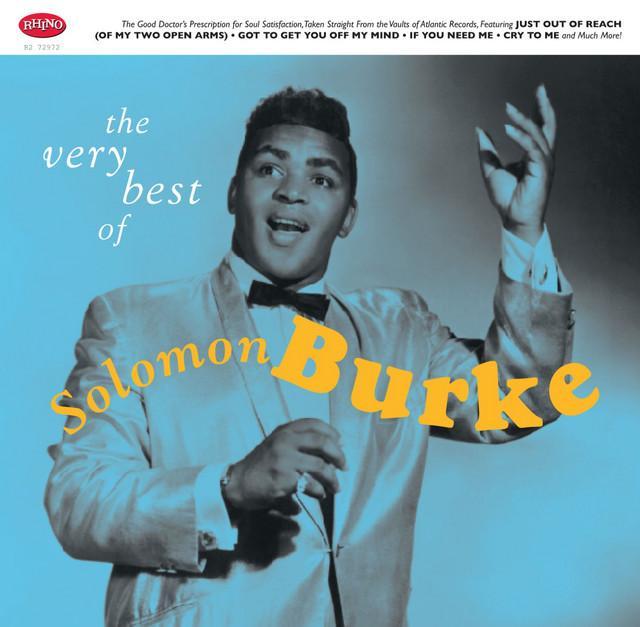
Why Burke's Plea Still Hits Home
The meaning of Everybody Needs Somebody to Love Solomon Burke starts with a simple idea: love is not a luxury. In Solomon Burke's hands, it becomes a public truth, almost a sermon, about how people survive loneliness, pride, and pain.
"Everybody Needs Somebody to Love" - Solomon Burke
So glad to be here in your wonderful city
And I have a little message for you
Loading lyrics...
Unable to load lyrics
We're unable to display the lyrics at this time. Please try again later.
Originally recorded by Burke in 1964 for Atlantic Records and produced by Bert Berns, the song was written by Burke, Berns, and Jerry Wexler according to the official credit. It reached No. 58 on the U.S. pop chart and later became one of Burke's signature recordings through its many covers and live afterlife. Those facts are widely documented in major reference sources.
A Soul Song That Talks Like a Sermon
Before the chorus even lands, Burke frames the song like a message to the crowd. He is not just singing to one lover. He is addressing everyone who has ever needed care, loyalty, and understanding.
That opening matters because it turns a love song into a communal statement. When he says people should hold on to real love, the song presents romance as something close to emotional shelter. The famous hook, Everybody needs somebody
, is broad on purpose.
Interpretation: Burke treats love as a human need, not just a feeling. The song suggests that being loved means being supported in good times and bad ones.
Watch the official Everybody Needs Somebody to Love
music video
The Core Message Behind the Chorus
The chorus lists small, ordinary forms of closeness rather than big dramatic gestures. Phrases like somebody to love
and someone to hold my hand
keep the focus on comfort, touch, and daily presence.
That is why the song feels so warm. It is not chasing fantasy. It is naming what many people want most: someone dependable.
The repeated plea of I need you
also changes the emotional temperature. It moves the song from general wisdom to personal confession. Burke begins as a preacher, but then he sounds like a person admitting weakness.
From Confidence to Vulnerability
One of the smartest parts of the lyric is its shift in tone. Early on, Burke sounds confident and encouraging. Then he admits he can feel sadness when he is mistreated.
That turn keeps the song honest. Love is not described as easy or perfect. It is shown as necessary even when it is frustrating.
Sometimes I feel a little sad inside
When my baby mistreats me
This brief moment reveals the tension at the heart of the song. People need connection, but connection also makes them vulnerable. The speaker may be hurt, yet he still reaches for closeness instead of detachment.
How Burke's Church Roots Shape the Meaning
Burke often connected the song's roots to church performance. In later recollections, he said the musical idea came from a march used for offerings when he was young, and he described it as joyful and communal. That background helps explain why the record feels halfway between testimony and dance tune.
Critics have long noted Burke's black-preacher vocal style here. Dave Marsh, for example, highlighted the opening sermon-like delivery and the song's almost redemptive pitch. That style is essential to the meaning: Burke sings as if love could heal a room, not just a relationship.
Interpretation: The song's deeper argument is that mutual care has social power. When Burke implies a song like this could help save the whole world
, he is speaking in hopeful, gospel-shaped exaggeration, but the feeling is real.
Why the Sound Makes the Words Bigger
The production helps sell that message. The beat pushes forward like a live revue, while the horns and rhythm section give the song a public, celebratory feel instead of a private one.
Research on the session shows Burke wanted the band to sound lively and urgent, and that energy stayed in the final record. The groove does something important: it keeps the song from sinking into self-pity. Even when the lyric admits pain, the arrangement answers with motion.
That balance is a big reason the record lasts. The music says longing can still sound joyful. Soul often works this way, turning emotional need into shared release.
Why So Many Artists Wanted to Sing It
The song's structure made it easy to carry across styles. Wilson Pickett had a hit with it in 1967, the Rolling Stones recorded it, and the Blues Brothers later turned it into a huge pop-culture showcase.
Why did it travel so well? Three reasons stand out:
- The hook is instantly clear.
- The call-and-response setup invites audiences in.
- The message is universal without being vague.
Burke's original remains the key text, though. Later versions often lean into party energy. Burke balances celebration with testimony.
Final Take on Its Lasting Power
The meaning of Everybody Needs Somebody to Love Solomon Burke is ultimately about dependence without shame. The song says people are built for connection, and admitting that need is not weakness.
Burke turns a straightforward lyric into something larger through his preacher's voice, his emotional honesty, and the record's joyful drive. They make the song feel like both a confession and an invitation.
That is why it still lands. It reminds listeners that love is not only romance. It is presence, witness, comfort, and the hand someone reaches for when life gets hard.
Disclaimer: This interpretation focuses on the song's lyrics, performance style, and historical context. Meaning can vary from listener to listener.








