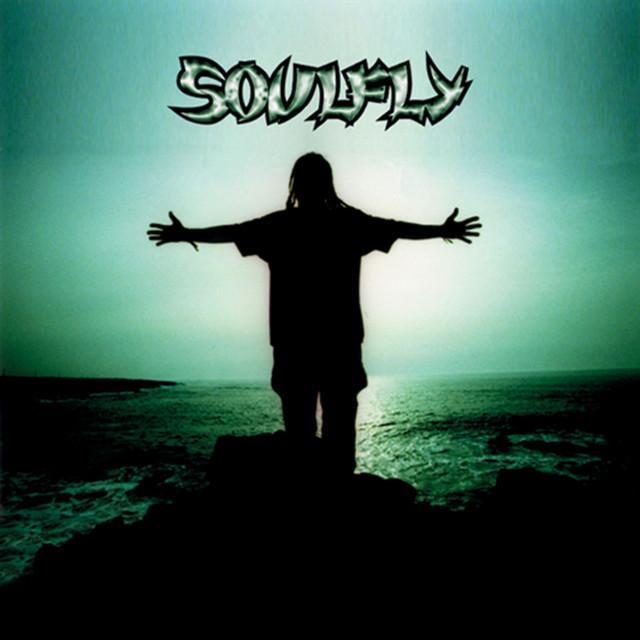
Bleed by Soulfly: Rage, Karma, and Reckoning
Soulfly’s “Bleed” is one of those songs that does not hide its emotions. It sounds furious, confrontational, and raw from the first seconds. But the meaning of Bleed Soulfly is not just simple violence. At its core, the song is about moral payback. It targets someone seen as cruel, dishonest, and harmful, then imagines a day when that damage comes back to them.
"Bleed" - Soulfly
You better realize
You kill life, you kill life
Loading lyrics...
Unable to load lyrics
We're unable to display the lyrics at this time. Please try again later.
On the surface, the track is a threat. Underneath, it is also a judgment. The repeated idea that what goes around comes around
frames the whole song as a warning: harm has consequences, lies cannot stay hidden forever, and guilt will eventually show itself.
The Song’s Core Message Is Moral Retribution
The clearest way to understand the meaning of Bleed Soulfly is to hear it as a song about karma, revenge, and exposure. The speaker believes the other person has hurt innocent people and lived behind deception. That is why the lyrics keep circling back to lies, hiding, and a damaged conscience.
When the song asks How long can you hide?
, it is not really asking for an answer. It is accusing. The target has escaped accountability for a while, but the speaker insists that escape cannot last.
The chorus pushes that idea deeper by turning physical injury into a spiritual image. The phrase your soul bleed
suggests inner corruption. In other words, the song is not only about making somebody suffer on the outside. It imagines them already wounded within, unable to live peacefully with what they have done.
Watch the official Bleed
music video
Who Is Being Addressed?
The lyrics never name the person. That makes the song feel broad and flexible. They could be talking to an abuser, a liar, a betrayer, or any figure who destroys life around them. The line about seeing a mother cry
widens the damage. This is not presented as a private argument between two people. It sounds like harm that spreads through families and communities.
That matters because it changes the tone of the song. The speaker is not just angry for personal reasons. They act like a witness delivering a sentence. The repeated “I see” language suggests someone who has watched the pain, recognized the lies, and decided silence is over.
A Fast Map of the Song’s Emotional Story
The track moves in a simple but effective pattern:
- It opens with a law of consequence: actions return.
- It accuses the target of lying and hiding.
- It points to emotional fallout, including grieving family members.
- It turns toward direct retaliation and explosive confrontation.
That last shift is important. Early on, the song sounds like a warning about conscience. Later, it becomes openly physical and aggressive. That escalation makes the track feel like a breakdown of self-control, which fits Soulfly’s heavy style.
Bring it on
Bring it
Those brief lines mark the moment where judgment turns into combat. The speaker no longer waits for karma to work by itself. They step in and become the instrument of punishment.
Where Max Cavalera’s Context Helps
Soulfly was formed by Max Cavalera after his exit from Sepultura, and the band’s early work often fused metal, hardcore, punk, and tribal rhythm. According to the band’s self-titled debut album, “Bleed” appears in that first burst of music, when the project was built around survival, identity, and explosive emotional release.
The song also features Fred Durst as a co-writer and guest voice, which helps explain its rap-metal edge and its blunt, taunting attack. The collaboration is noted on the song’s credits and discussed in references to the Soulfly album. That crossover matters because “Bleed” sits right at the meeting point of late-1990s nu-metal swagger and Cavalera’s heavier, more punishing instincts.
How the Sound Carries the Meaning
“Bleed” works because the music is as forceful as the lyrics. The guitars hit in short, thick bursts. The drumming drives forward without much space to breathe. The vocals switch between chant, bark, and threat, giving the song the feeling of a public confrontation rather than a private confession.
That production style supports the theme of reckoning. There is little softness and almost no reflection. Instead, the arrangement keeps hammering the same emotional point: this is anger that has reached its limit.
The repeated use of bleed bleed bleed
is especially effective. It is less a poetic line than a rhythmic weapon. By repeating one harsh word, the song creates a ritual-like intensity, almost like a crowd chant at the moment a conflict peaks.
Two Strong Interpretations
Interpretation 1: A revenge song aimed at a specific enemy. This is the most direct reading. The speaker has seen real harm, believes the target deserves pain, and answers wrongdoing with force. The later verses, especially the guest section, make that reading hard to ignore.
Interpretation 2: A broader attack on evil and hypocrisy. Because the target is unnamed, the song can also be heard as a statement against destructive people in general. The focus on lies, hidden guilt, and innocent suffering makes it bigger than one feud.
These readings can exist together. That is part of why the song still hits: it feels personal and universal at the same time.
Why “Bleed” Still Feels So Intense
Part of the meaning of Bleed Soulfly lies in how little distance it gives the listener. There is no irony here, no careful balance, no soft landing. It is a song that wants to sound dangerous because its subject is unchecked harm.
For some listeners, that makes it cathartic. For others, it may feel excessive. Either reaction makes sense. The song is built to push anger to the front and let it stay there.
Final Take on the Song’s Meaning
“Bleed” is about consequences arriving with force. It presents a world where lies rot the inside, pain spreads outward, and sooner or later the guilty are confronted. Soulfly turn that message into something physical through crushing riffs, shouted hooks, and a relentless pace.
That is why the song lasts in memory: it does not just describe rage. It performs it.
Disclaimer: This interpretation is based on the lyrics, available credits, and musical context. As with most songs, listeners may reasonably hear different meanings in “Bleed.”








