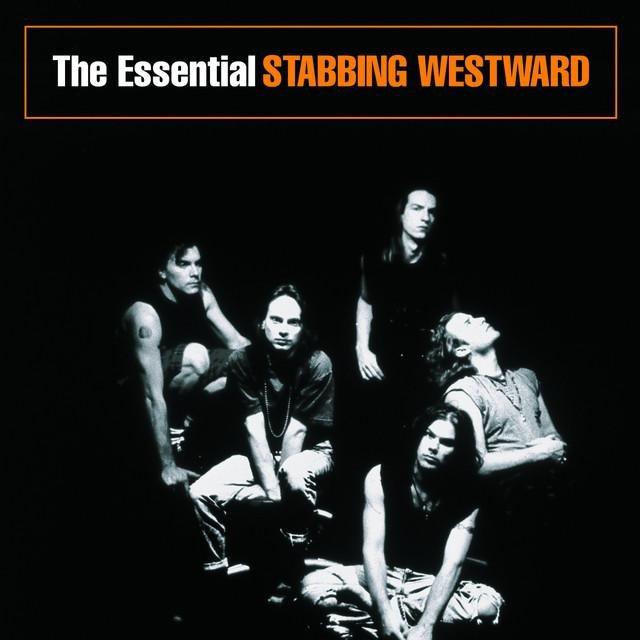
Why “Save Yourself” Refuses to Be a Rescue Song
When people search for the meaning of Save Yourself Stabbing Westward, they usually hear one thing first: a rejection of the fantasy that love, fame, or empathy can magically fix a broken person. That is the song’s core. It is harsh, but it is not cruel.
"Save Yourself" - Stabbing Westward
And you hate to face this world alone
So you're searching for an angel
Loading lyrics...
Unable to load lyrics
We're unable to display the lyrics at this time. Please try again later.
Released in 1998 as a single from Darkest Days, “Save Yourself” became one of Stabbing Westward’s biggest songs, reaching No. 4 on Billboard’s Mainstream Rock chart. That success matters because it helped carry a very unromantic message into mainstream rock: no one else can do your healing for you.
The Song’s Main Point Is Brutal Honesty
At its center, the song is about emotional limits. The speaker sees someone hurt, lonely, and looking for rescue. But instead of offering a heroic promise, they answer with a boundary.
The key line, I cannot save you
, is not framed as triumph. It sounds exhausted. Right after that comes I can't even save myself
, which makes the message even more revealing. The speaker is not looking down on the other person. They are admitting they are wounded too.
Interpretation: this is a song about refusing a toxic role. The speaker will not pretend to be a savior, because that lie would help nobody.
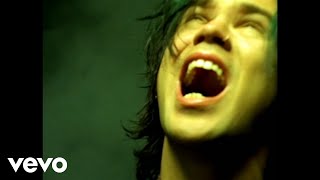
Watch the official Save Yourself
music video
Christopher Hall Gave the Clearest Explanation
The strongest factual context comes from singer Christopher Hall. In a 2020 Songfacts interview, Hall said fans often came to him after earlier songs about trauma, depression, and pain, believing he must have answers because he wrote about those subjects.
He explained that “Save Yourself” came from realizing he did not have those answers. In his words, he was basically saying he was feeling the same things they were and that they had to figure it out for themselves. That turns the song from a cold brush-off into something more human: a confession of powerlessness.
Who Is Speaking, and to Whom?
The song uses first-person confession and direct address. That structure matters. The speaker talks to a specific “you,” someone searching for an “angel” or some outside force to make them whole.
But the relationship is unstable from the start. The speaker sees damage in the other person, yet also recognizes the same damage in themselves. The phrase just as fucked as you
is the song’s roughest moment, but it does important work. It destroys any distance between helper and helped.
Instead of a healer talking to a victim, the song gives listeners two broken people facing each other. That is why the chorus lands so hard.
How the Verses Build the Song’s Meaning
Each section adds another layer to the same idea:
- First, the speaker recognizes the other person’s emptiness and need.
- Next, they reject the role of rescuer.
- Then, they admit their own damage.
- Finally, they choose distance over a false kind of closeness.
That last move is especially important. When the speaker says they would rather be alone
, it sounds less like pride and more like survival. They seem to believe that lonely truth is safer than a relationship built on pity, dependence, or emotional collapse.
Please don't take pity on me
Please don't take pity on me
That brief repeated plea shifts the song. It is not only about refusing to save someone else. It is also about refusing to be reduced to an object of sympathy.
The Chorus Turns a Personal Crisis Into a Rule
Many rock choruses offer comfort. This one offers a command: save yourself
. That directness is why the song can feel shocking on first listen.
Interpretation: the chorus is not saying people should never need others. It is saying no relationship can replace inner repair. A partner can support them, but cannot become their cure. By repeating the idea, the band turns a moment of emotional burnout into a hard life lesson.
Why the Sound Fits the Message So Well
“Save Yourself” works because its production matches the lyric. Stabbing Westward blended industrial rock and alternative rock, and that mix is crucial here. The guitars hit with weight, the drums drive forward without much softness, and the keyboards add a cold metallic texture around the edges.
That sound creates emotional pressure. It does not feel warm or redemptive. It feels trapped, tense, and mechanical, as if the song is stuck in a cycle of hurt and defense. The vocal delivery adds to that effect: Hall sounds strained rather than victorious, which keeps the track from becoming smug.
Factually, the song was released in 1998 from Darkest Days, written by Andy Kubiszewski, Christopher Hall, Jim Sellers, Marcus Eliopulos, and Walter Flakus, and produced by Stabbing Westward with Dave Jerden and Ulrich Wild. Those details help place it within the band’s polished late-90s industrial-rock peak.
A Boundary Song, Not a Hate Song
One reason the track still connects is that it names a feeling many people avoid admitting: sometimes caring about someone does not mean they can carry that person.
The lyrics are severe, but the emotion underneath is not pure rejection. It is burnout, self-knowledge, and fear of mutual destruction. The speaker seems to believe that if two damaged people expect total rescue from each other, both may sink.
That is what makes the song more mature than it first appears. It is not mocking pain. It is warning against dependency dressed up as devotion.
Why “Save Yourself” Endures
Part of the song’s staying power comes from its honesty. It also helped that it broke through on rock radio and later appeared in films, TV, and games, keeping it in circulation. But the deeper reason is simple: its message still feels relevant.
People still want artists, lovers, and friends to explain how to survive. “Save Yourself” answers that wish with a painful truth. Support matters, but no one can live another person’s recovery for them.
That is the lasting meaning of “Save Yourself” by Stabbing Westward: healing cannot be outsourced, and pretending otherwise only creates more damage.
Disclaimer: This interpretation blends documented artist comments with lyrical analysis. As with any song, listeners may hear meanings that differ from the ones discussed here.








