Why 'Have a Nice Day' Is More Bitter Than Bright
For anyone searching for the meaning of Have A Nice Day Stereophonics, the key is simple: this is not a cheerful song hiding in plain sight. It sounds sunny and easy to sing along with, but its smile is forced. Under that big hook, Stereophonics tell a story about tourism, sameness, and the hollow language people use when they no longer mean what they say.
"Have A Nice Day" - Stereophonics
Early PM, can't remember what time
Got the waiting cab stopped at the red light
Loading lyrics...
Unable to load lyrics
We're unable to display the lyrics at this time. Please try again later.
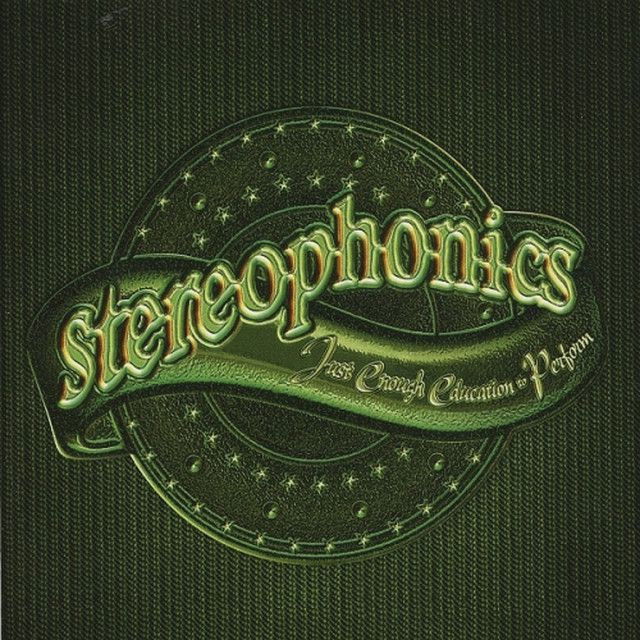
The track was the second single from Just Enough Education to Perform in 2001, written by Kelly Jones and released after “Mr. Writer.” It became one of the band’s biggest hits, reaching No. 5 in the UK and later becoming their first song to chart on U.S. Adult Top 40 radio, according to chart information collected on its release history and performance. Those facts matter because they show the irony at the song’s center: a sharp little complaint about modern sameness became a very polished pop-rock success.
A True Taxi Ride Turned Into a Bigger Statement
The song’s story comes from a real cab ride in San Francisco during the band’s 1999 U.S. tour. Kelly Jones later explained that the driver launched into a rant about tourists, processed food, and how people everywhere were becoming alike. That anecdote is widely repeated in accounts of the song’s background and helps explain why the verses feel so vivid and specific.
The opening places listeners right inside that ride, with details about San Francisco Bay and a cab stopped at a light. Those concrete images make the scene feel almost cinematic. Then the driver starts talking, and the song shifts from travel diary to social critique.
Instead of presenting a neat moral, Stereophonics let the driver do most of the talking. He sounds irritated, funny, and a little tragic. In a few lines, he becomes the voice of someone who feels trapped inside a city that now exists more for visitors and money than for real local life.

Watch the official Have A Nice Day
music video
The Chorus Is a Smile With Teeth
The phrase have a nice day
is the song’s entire trick. On paper, it sounds polite. In context, it lands like a shrug, a sales slogan, or even a dismissal.
That is why the chorus matters so much to the meaning of Have A Nice Day Stereophonics. After all the complaints about culture becoming fake and interchangeable, the repeated farewell sounds empty. It is the kind of phrase people say automatically, especially in customer service spaces, without any real warmth behind it.
Interpretation: the band use that cheerful slogan to show how modern life can package friendliness the same way it packages everything else. The line becomes a symbol of surface-level positivity covering real frustration.
What the Driver Really Represents
The cab driver is not just one grumpy person. He stands for a wider anxiety about identity getting flattened.
When the song mentions tourists
and processed fish
, it is not only mocking San Francisco. It is pointing at a world where local culture gets turned into a product. The complaint that people dress the same ways
pushes that idea further. The driver sees global culture as a machine that smooths out differences until only accents remain.
That is a funny line, but also a sad one. It suggests that place, style, and personality are all being replaced by copy-and-paste habits. In that reading, the song is less about one city than about late-modern life in general.
Bright Music, Sharp Message
Musically, “Have a Nice Day” helps its message by refusing to sound gloomy. It is a compact rock single with a buoyant rhythm, clean guitar movement, and an easy, memorable chorus. That contrast is essential.
If the song sounded dark and heavy, the sarcasm would be obvious. Instead, the upbeat arrangement makes the bitterness sneak up on listeners. Kelly Jones sings with warmth and roughness at the same time, which keeps the track from becoming too cynical. The tune invites people in, while the words quietly question the world around them.
Production also plays a role. The single was produced by Bird and Bush, with Andy Wallace mixing and Bob Ludwig mastering. That polished finish gives the song radio appeal, which almost mirrors the lyric’s complaint about slick surfaces. In other words, the song critiques modern packaging while also using pop craft brilliantly.
Why the Song Connected Anyway
Critics were mixed to negative at the time, with some reviews dismissing it as lightweight. But audiences clearly heard something catchy and relatable in it. Its chart success in the UK and crossover on U.S. Adult Top 40 suggest that its blend of melody and sarcasm traveled well.
That makes sense. Even listeners who do not catch every detail can feel the tension between the pleasant chorus and the annoyed verses. Most people know what it is like to hear fake politeness, tourist-friendly branding, or tired social scripts. The song turns those everyday feelings into a singalong.
Another Way to Read It
Interpretation: there is also a gentler reading. The song may not fully endorse the cab driver’s worldview. He could be seen as another frustrated voice in a noisy modern city, someone who complains about sameness while speaking in his own set of clichés. That possibility gives the song a bit more humor. It observes him, rather than treating him as a prophet.
Why It Still Works
More than two decades later, the song still feels current because its target has only grown larger. Tourism, branding, and commercial sameness are even more visible now than they were in 2001.
So the meaning of Have A Nice Day Stereophonics comes down to this: they turned a strange real-life conversation into a catchy, sarcastic song about how modern life can feel friendly on the surface and empty underneath. The smile in the title is real enough to sell the hook, but the song never lets listeners forget the bite behind it.
Interpretation disclaimer: Song meaning is never fully fixed. This reading is based on the lyrics, documented background, and the song’s musical context, but listeners may reasonably hear it in different ways.









