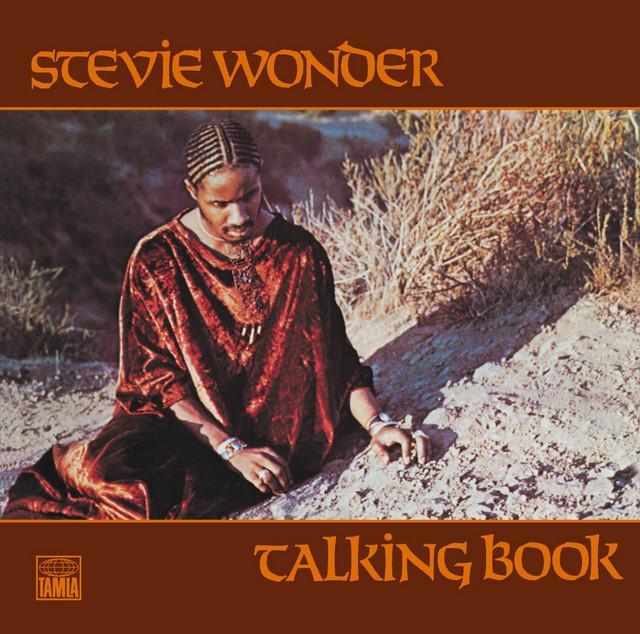
Superstition by Stevie Wonder
The meaning of Superstition Stevie Wonder starts with a simple warning: fear grows when people give power to things they do not truly understand. Stevie Wonder turns that idea into a sharp, danceable song that sounds joyful on the surface but carries a serious message underneath.
"Superstition" - Stevie Wonder
Very superstitious, ladder's 'bout to fall
Thirteen month old baby, broke the lookin' glass
Loading lyrics...
Unable to load lyrics
We're unable to display the lyrics at this time. Please try again later.
Released on Talking Book in 1972, Superstition
became one of Wonder’s defining hits and helped show how he could blend pop reach, soul feeling, and funk rhythm into one tight statement. Factually, the song was written by Stevie Wonder and released during the classic run of albums that reshaped his career. It appears on Talking Book, according to the Rock & Roll Hall of Fame and Encyclopaedia Britannica.
A Funk Hit With a Warning Label
At its core, the song attacks blind belief. Wonder fills the verses with familiar signs of bad luck and folk warnings, then cuts through them with the chorus’s main idea: When you believe in things
that are unclear or irrational, Then you suffer
. That is the heart of the song.
Rather than mocking people in a cruel way, the lyric sounds more like a firm correction. It suggests that superstition is not harmless when it begins to shape choices, fear, or self-image. In plain terms, the song says that confusion plus fear can become a trap.
This is why the repeated phrase Superstition ain't the way
matters so much. It is not just a catchy hook. It is the song’s thesis.

Watch the official Superstition
music video
The Images: Broken Mirrors and Warning Signs
Wonder builds the lyric out of symbols many listeners already know. They hear about writings on the wall
, a ladder about to fall, a broken mirror, and years of bad luck. These are familiar cultural signs, not random details.
Each image points to the same pattern:
- people search for meaning in accidents
- they turn coincidence into destiny
- they let fear do the thinking for them
That makes the song easy to understand even on first listen. Wonder uses common superstitious images so the message lands fast. The listener recognizes the symbols, then hears the song push back against them.
What the "baby" image may suggest
One striking detail is the reference to a Thirteen month old baby
. Interpretation: this image may show innocence colliding with irrational fear. A baby breaking a mirror is just an accident, but superstition turns it into a heavy omen. That contrast sharpens the song’s point: human beings often add dread where none is needed.
How the Chorus Explains the Whole Song
The chorus is blunt, which is part of why it lasts. Wonder does not hide behind mystery here. He states the effect of superstition directly: people suffer when they hand power to unexplained beliefs.
When you believe in things
That you don't understand
Then you suffer
Superstition ain't the way
That short refrain turns the verses from a list of spooky images into a clear argument. Without it, the song could sound like a tour through folk beliefs. With it, the track becomes criticism.
Why the Groove Matters So Much
Part of the brilliance of the meaning of Superstition Stevie Wonder is that the song does not lecture in a dry way. It moves. The famous clavinet riff gives the track a biting, percussive energy that feels almost like a warning siren turned into funk.
Wonder was known for playing multiple instruments in the studio, and this era showcased his growing creative control. Sources such as the GRAMMYs and Britannica note how central he was to writing, arranging, and performing his music. In this song, the tight groove matters because it mirrors the lyric’s urgency. The beat does not drift; it presses forward.
There is also a useful contrast at work. The music feels exciting, even celebratory, while the lyric warns against mental traps. That tension helps the song stick. People can dance to it, but they also leave with the message.
Beyond Luck: A Wider Reading
The most direct reading is that Wonder is criticizing everyday superstition. That reading is strongly supported by the lyric’s images and repeated warning.
Interpretation: some listeners hear a second layer too. The song can also apply to any system of belief built on fear rather than understanding. In that sense, it reaches beyond broken mirrors and omens. It can speak to social pressure, manipulation, or bad advice passed down as truth.
That wider reading helps explain why the song still feels current. Even listeners who do not believe in classic superstitions know what it means to be pushed by panic, rumor, or irrational thinking.
Why the Song Endures
"Superstition" lasts because it turns a basic lesson into great pop-funk. The images are simple, the groove is unforgettable, and the message is clear without being preachy. Stevie Wonder meets listeners where they are, using familiar symbols before challenging them to think harder.
For many fans, that is the real power of the song. It is not only about luck charms or old sayings. It is about the cost of surrendering judgment. The meaning of Superstition Stevie Wonder is ultimately a call to choose understanding over fear.
Disclaimer: This interpretation is based on the lyrics, musical elements, and documented career context. As with any song, individual listeners may hear meanings that differ from this reading.









