Why "The Conflagration" Feels Like a Final Break
For listeners searching for the meaning of The Conflagration Stone Sour, the clearest answer is this: it is a song about refusing destruction, whether that destruction comes from a toxic relationship, a corrupt crowd, or the darkest part of the self.
"The Conflagration" - Stone Sour
To find another one like you
Don't forget your better reason
Loading lyrics...
Unable to load lyrics
We're unable to display the lyrics at this time. Please try again later.
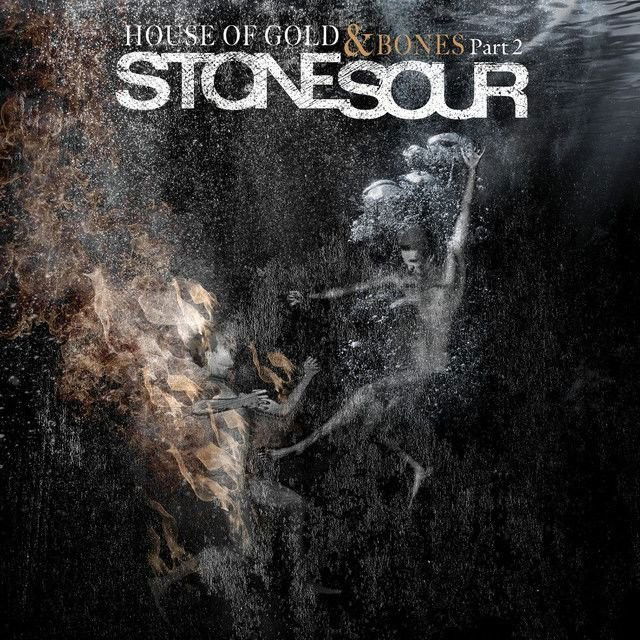
Stone Sour placed the track near the end of House of Gold & Bones – Part 2, the band’s 2013 concept album finale, released April 9, 2013 and produced by David Bottrill. The album was designed as the second half of a larger story, and Corey Taylor described Part 2 as darker, heavier, and more tied to the narrative than Part 1. In that context, “The Conflagration” sounds like a breaking point rather than just another hard-rock anthem.
The Song’s Core Idea Burns Clean
At its heart, the song follows someone who has grown tired of chaos. Early lines look back at wasted time, poor choices, and the emotional cost of carrying anger too long. When the lyric mentions bitter Mondays
, it gives everyday misery a physical weight. This is not just one bad day. It is a life pattern.
The chorus sharpens the warning. If someone lives as if there is no tomorrows
, then every day turns into more damage. The song’s voice is blunt because the message is urgent: reckless living feels free for a while, but it eventually becomes a trap.
Interpretation: That is why the title matters. A conflagration is not a small fire. It is a destructive blaze. In the song, that blaze stands for emotional collapse, hatred, and self-sabotage spreading out of control.

Watch the official The Conflagration
music video
A Voice Standing at the Edge
One reason the song hits hard is its shifting point of view. The singer sounds like they are speaking to another person, but also to themselves. That double meaning fits the album’s concept, where the protagonist faces symbolic figures and is pushed toward a major choice.
The sharpest moment comes when the lyric rejects the whole destructive system. The speaker no longer wants the drama, the resentment, or the people who keep it alive. The final push is simple and devastating: I don't need the hate
.
That line matters because it is not revenge language. It is exit language. The goal is not to win the fight. The goal is to stop living inside it.
How the Verses Build the Fire
The verses connect several ideas that all feed the same theme:
- life can need a second chance
- bad risk-taking can bring a person down
- other people may only value someone when they can use them
- false leaders often hide their own guilt
The line about gentle lions
gathering sheep sounds, on the surface, like noble leadership. But the song quickly undercuts that image. The so-called protectors are not safe at all. They are hypocrites, even tyrants. When the lyric points toward a mirror, it suggests blame is shared. The danger is outside, but it is also inside.
Interpretation: That mirror image is one of the song’s smartest moves. It stops the song from becoming a simple “you hurt me” story. Instead, it asks how people repeat what damaged them.
This is where forever gets usImmoral wishes and oblivionI can't stay
This is the song’s emotional center. The idea is that endless repetition does not create wisdom on its own. It can just deepen ruin. The speaker finally sees that staying in the same cycle will erase them.
Why the Album Context Matters
Understanding the meaning of The Conflagration Stone Sour becomes easier when listeners place it inside House of Gold & Bones – Part 2. According to album notes and summaries, this record closes a concept story about a character called the Human, moving through symbolic spaces and confronting pieces of his own identity. Research around the album also notes that “The Conflagration” reprises the phrase I'm on my own
from “The Travelers,” linking the song back to earlier emotional isolation.
That callback changes the ending. When the song closes on being alone, it does not sound defeated. It sounds chosen. Solitude is better than surrendering to poison.
This broader setup also explains why the song feels theatrical. Corey Taylor said Part 2 felt like “a soundtrack to a movie” and was more thematic. That description fits “The Conflagration” perfectly: it plays like the scene where the character finally understands what must be left behind.
The Sound Makes the Meaning Bigger
Musically, the track supports that reading in a big way. Reviews from the album’s release singled it out as one of the standout pieces, noting its mix of strings, piano, and a full-band climax. Those elements matter.
The piano gives the opening a reflective tone, as if the speaker is sorting through old damage. The added cello and strings bring a sense of tragedy and scale. Then the guitars and drums widen the track into something more physical, almost like the inner argument has burst into the open.
This is where producer David Bottrill’s style helps. The arrangement does not rush. It builds. That slow expansion mirrors the lyric’s journey from recognition to refusal. By the end, the song does not merely describe a fire. It sounds like it has walked through one.
A Few Strong Readings of the Song
There are two especially convincing ways to read it:
Reading One: Leaving a toxic person
The repeated rejection of “you” makes the song work as a clean break from someone manipulative, cruel, or draining. In this view, the speaker finally chooses self-protection.
Reading Two: Rejecting a former self
Because of the concept-album story, the stronger reading may be inward. The “you” could be the self that loves ruin, excuses bad choices, and keeps returning to pain. In that case, the song is about moral survival.
Both readings can be true at once. That overlap is part of what makes the track memorable.
The Last Thing the Song Leaves Behind
“The Conflagration” is powerful because it treats escape as courage, not weakness. It says that seeing the fire clearly is the first step. Walking away is the second.
For many listeners, that is the lasting meaning of The Conflagration Stone Sour: they are hearing the sound of a person choosing not to burn anymore.
Disclaimer: This interpretation is based on the lyrics, album context, and documented band commentary. As with any song, individual readings may vary.








