Why ‘Tired’ Feels Like an Inner War
Stone Sour’s “Tired” sounds furious, but its anger is not simple. The meaning of Tired Stone Sour comes from a clash between exhaustion and resistance. They present a speaker who feels trapped inside their own mind, judged by others, and pushed toward emotional shutdown. Yet the song also fights back. It refuses to accept chains, labels, or defeat.
"Tired" - Stone Sour
So alive in here
Pull it down a little peace
Loading lyrics...
Unable to load lyrics
We're unable to display the lyrics at this time. Please try again later.
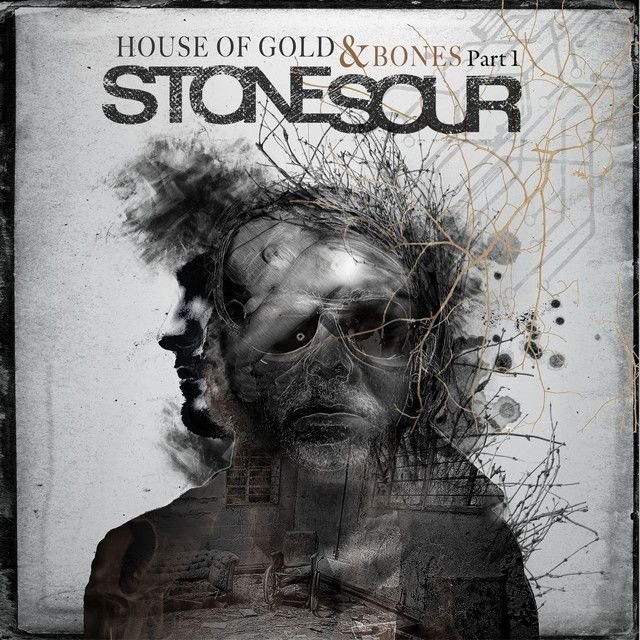
Released in 2013 as the second single from House of Gold & Bones – Part 1, “Tired” became a major rock hit, reaching No. 1 on Billboard’s Mainstream Rock chart. That success matters because it shows how widely its message connected: many listeners heard their own burnout, frustration, and need for freedom in it.
The Core Meaning Hiding Under the Noise
At its center, “Tired” is about mental and emotional overload. The speaker does not sound physically sleepy. They sound worn down by pressure, conflict, and inner contradiction. Early lines like alive in here
suggest that some strong self still exists beneath the stress. They are not empty. They are painfully aware.
That matters because the song keeps switching between power and collapse. On one hand, the voice says it can still see and feel. On the other, it hints at numbness, confusion, and near-disconnection. This is what gives the song its tension: they are still fighting, but fighting while exhausted.
Interpretation: The title “Tired” may describe more than fatigue. It can also mean being tired of false comfort, tired of judgment, and tired of repeating the same emotional damage.

Watch the official Tired
music video
A Voice Arguing With the World and Itself
One of the strongest parts of the lyric is how unstable the speaker feels. They want safety, but they also push people away. They want clarity, but they admit confusion. That is why lines about being somewhere safe
hit so hard. Safety is not treated as a real place they already have. It feels distant.
The song also shows resistance to being controlled. The repeated idea of never living in chains
turns the track into more than a breakdown song. It becomes a refusal. The speaker may be shaken, but they do not want surrender.
Somewhere close
Somewhere safe
Somewhere I know
I know I'll never live in chains
This is the emotional center of the song. They long for comfort and stability, but they immediately define that comfort as freedom, not captivity. In other words, healing cannot come from control.
How the Verses Build the Feeling of Breakdown
The verses are filled with cramped, inward-looking images. The repeated phrase in here
keeps pulling everything back inside the self. That creates a boxed-in feeling, as if the speaker is pacing inside their head.
Then the song adds images of being erased or replaced. A line about being made incomplete suggests outside voices are shrinking the speaker’s identity. Another strange image, the mad chameleon
, adds to the idea of unstable identity. A chameleon changes color to survive. Here, that shifting self seems unwelcome.
Interpretation: That image can be read in two ways:
- a fake version of the self built to please others
- a mind that keeps changing shape under pressure
Either reading fits the song’s larger theme of identity under stress.
The Chorus Turns Pain Into Defiance
The chorus is where “Tired” becomes most memorable. Instead of offering a neat answer, it moves between hope and rejection. The speaker wants nearness and safety, but they also warn others to stay away. They sound young, reckless, hurt, and defensive at the same time.
The phrase too young to care
should not be taken as simple apathy. In context, it sounds more like a shield. They may care deeply, but acting detached is easier than admitting pain. That makes the line sadder than it first appears.
This is a big part of the meaning of Tired Stone Sour: emotional self-protection can look like anger, distance, or indifference.
Why the Sound Matters So Much
Stone Sour recorded “Tired” with producer David Bottrill, and the track’s sound supports its message. The band mixes hard rock force with a moody, modern sheen. The guitars hit hard without drowning out Corey Taylor’s vocal, which lets the song carry both aggression and vulnerability.
The performance matters as much as the words. The riffs feel heavy and compressed, like pressure building in a closed room. Then the chorus opens up melodically, giving the listener a brief sense of lift. That rise matches the lyric’s search for escape.
Taylor’s delivery is key. He does not sing the song like a calm confession. He strains, snaps, and pushes through phrases, which makes the emotional fatigue feel physical. The music video, released in August 2013, also helped frame the song as tense and psychologically charged.
Stone Sour Context Helps Explain the Song
“Tired” comes from House of Gold & Bones – Part 1, a concept-driven album from Stone Sour. That larger project is known for dark emotional themes and a story-minded structure, so “Tired” fits naturally within a world of fracture, survival, and identity struggle.
Factually, the song was written by Corey Taylor, Jim Root, Josh Rand, and Roy Mayorga, and it was released by Roadrunner in 2013. It later topped Billboard’s Mainstream Rock chart. Those details do not prove one single interpretation, but they do show that the song was built in a period when Stone Sour were leaning into emotionally intense, polished heavy rock.
Final Take on the Meaning
So what is “Tired” really about? The clearest answer is this: it captures the feeling of being mentally cornered while still refusing to break. The speaker wants peace, but not at the cost of freedom. They are exhausted, but they are still alive enough to resist.
That is why the song lasts. It understands that burnout is not always quiet. Sometimes it yells, pushes people away, and keeps searching for a safe place that does not feel like a cage.
Disclaimer: This interpretation is based on the song’s lyrics, performance, and release context. As with most songs, listeners may hear different meanings in the same lines.








