
Ode to the Bouncer by Studio Killers
The meaning of Ode to the Bouncer Studio Killers starts with a funny, tense scene: someone is stuck outside a club and badly wants to get in. On the surface, it is a dance-pop comedy about arguing with a doorman. Under that surface, it is also a sharp little song about gatekeeping, class signals, body judgment, and the desperate need to belong.
"Ode to the Bouncer" - Studio Killers
I just gotta dance right now, it's critical to do
No, I haven't had no dope
Loading lyrics...
Unable to load lyrics
We're unable to display the lyrics at this time. Please try again later.
Studio Killers built their name on brightly colored electro-pop and animated-world storytelling, presenting themselves as a virtual band rather than a standard pop act. That playful setup matters here. It gives the song room to be exaggerated, rude, and theatrical without losing its wink at the listener.
A Club Door Turns Into a Power Struggle
At the center of the song is a speaker who sees the bouncer as the person controlling access not just to a party, but to status and freedom. The repeated plea to be allowed inside is about more than dancing. It is about being judged in public and denied entry for reasons that feel arbitrary or unfair.
The verses pile up excuses, complaints, and insults. The speaker says it is my birthday tonight
, claims friends are already inside, and mocks the rules being used to keep them out. That comic overflow of details makes the situation feel real: anyone who has waited in a line while watching others get waved through can hear the frustration.
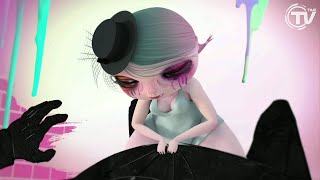
Watch the official Ode to the Bouncer
music video
The Narrator’s Voice: Messy, Funny, Unreliable
One reason the song works so well is its character voice. The speaker is dramatic, impulsive, and probably not fully reliable. They threaten to get physical with you
, then jump into absurd observations and petty attacks.
That instability is part of the joke, but it also deepens the song’s meaning. They are not a calm victim giving a fair report. They are someone humiliated in real time, trying to talk, charm, and bully their way past rejection.
Why the Humor Matters
The comedy keeps the song from becoming heavy-handed. Lines about the doorman being like St Peter at the gate
turn a nightclub entrance into a mock judgment day. The image is silly, but the idea lands: the bouncer acts like a figure who decides who is worthy.
What the Chorus Really Means
The chorus strips the conflict to its core. The speaker insists they gotta dance right now
, and that urgency is important. Dancing is framed almost like a need, not a hobby.
Interpretation: the hook suggests that nightlife is standing in for release, identity, and connection. Getting inside means joining the crowd, shedding shame, and becoming part of the scene. Being blocked at the door means exclusion.
Because the chorus is simple and chant-like, it mirrors the logic of a real argument in a club line. Once emotions spike, every detail falls away and only the demand remains: let them in.
Gatekeeping, Looks, and Social Rules
Much of the song’s bite comes from how clearly it notices the weird rules of nightlife. The speaker points to dress codes, flirtation, and favoritism. They even complain that another woman gets in while they are kept out, suggesting that the system is inconsistent and often based on looks.
Bouncer, hey bouncer
I just gotta dance right now
That tiny refrain feels almost childlike in its repetition, which makes the power imbalance more obvious. One person has authority; the other can only keep pleading and performing outrage.
Interpretation: the song can be heard as a satire of club culture itself. It exposes how spaces that promise fun and freedom often start with scrutiny at the door. Bodies, clothes, and confidence are all evaluated before anyone reaches the dance floor.
How the Production Carries the Joke
The production is a huge part of the song’s meaning. Studio Killers are known for sleek electronic pop, and here the beat is bright, bouncy, and immediate. The music sounds like the party the speaker is missing, which creates a clever tension.
Instead of matching the lyrics with sadness or anger, the track stays energetic and glossy. That contrast turns rejection into comedy. The listener hears a euphoric dance song while the narrator is still trapped outside.
The vocal delivery also matters. It is sharp, cartoonish, and full of attitude. That helps the song feel like a mini scene from a club-night sitcom. The synth-pop style, tied to the group’s digital persona and dance-pop identity, fits their broader profile as presented on the band’s official channels and widely documented by music databases like AllMusic.
Why the Song Endured Online
Part of the track’s afterlife comes from its quotable sass and clear scenario. People instantly understand the setup. Even if they have never been refused by a bouncer, they know the broader feeling of being left out while others seem to pass every test.
Its exaggerated one-liners also made it easy to share in meme culture and fan edits. That kind of reception fits Studio Killers well: they operate in a space where pop music, internet humor, and stylized character performance overlap.
A Bigger Meaning Beneath the Club-Line Comedy
So what is the meaning of Ode to the Bouncer Studio Killers in the fullest sense? Factually, it is a dance song about fighting with a doorman outside a club. Interpretation: emotionally, it is about what happens when access is controlled by shallow rules and personal bias.
The bouncer becomes a symbol for every gatekeeper who decides who belongs. The speaker, for all their pettiness and chaos, stands in for anyone who has felt judged before they even got through the door.
That is why the song still lands. It is catchy enough to function as pure pop fun, but sharp enough to say something real about modern social life: sometimes the party starts with a test, and not everyone gets graded by the same standard.
Final Take
Studio Killers turn a small club-side argument into a lively pop satire about exclusion, image, and craving release. The song is funny on purpose, but its joke works because the feeling beneath it is recognizable.
Disclaimer: This interpretation separates confirmed facts from critical reading. Like most pop songs, its meaning can shift based on the listener’s own experience.








