Why Styx Made Boredom Sound So Urgent
The meaning of Too Much Time On My Hands Styx becomes clear almost as soon as the song starts: this is not a celebration of free time. It is a portrait of a person with nowhere to go, nothing to do, and too much room for his thoughts to spiral.
"Too Much Time On My Hands" - Styx
Talking like a damn fool
Got the twelve o'clock news blues
Loading lyrics...
Unable to load lyrics
We're unable to display the lyrics at this time. Please try again later.
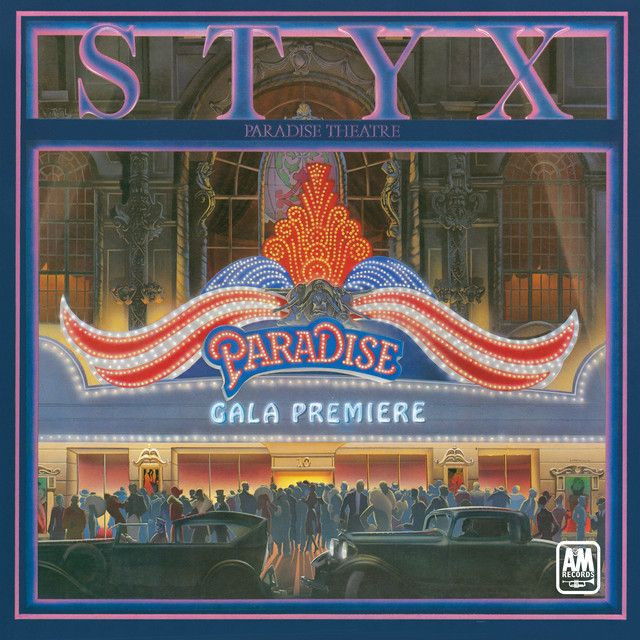
Released in 1981 as the second single from Paradise Theatre, the song was written and sung by Tommy Shaw and became his only top-10 hit with Styx as writer and lead vocalist, reaching No. 9 on the Billboard Hot 100. It also helped define the band’s early-1980s shift toward a leaner, hook-driven sound. Those factual details are widely documented in reference sources on the song and album.
A Restless Character at the Center
At the lyric level, the song sketches an unemployed or underoccupied narrator killing time at a bar, talking big, drifting through the day, and trying not to admit how badly the emptiness is affecting him. He jokes, boasts, and shrugs, but each verse suggests that his life has lost structure.
Short phrases like bar stool
and nothing to do
place him in a world of waiting rather than living. He fills the hours with chatter, drinks, and fantasy. What makes the song land is that Styx never treats that state as harmless.
Interpretation: the narrator uses humor as a shield. His exaggerated self-image and sarcastic questions sound funny, but they also reveal someone trying to talk his way past failure.

Watch the official Too Much Time On My Hands
music video
How the Chorus Turns Time Into the Villain
The hook is where the song’s real message comes into focus. When the narrator says too much time on my hands
, he is not just complaining about boredom. He is describing time as a force that chips away at him.
The line ticking away
matters because it turns a clock into a threat. In plain terms, the song suggests that empty time can feel louder than busy time. Without purpose, every minute becomes something they notice, and noticing it only makes the emptiness worse.
That is why the chorus feels bigger than the verses. It is not about one bad afternoon. It is about the fear that life itself is being wasted.
Verse Details That Build the Theme
The verses carefully escalate that feeling. First, the narrator is stalled in an ordinary setting, half-watching the day pass. Then he admits he is tired of losing and trapped by his own lack of options. By the time he starts making grand claims about being a genius who can solve the world’s problems, the listener can hear the gap between what he says and what his life looks like.
One of the smartest details is the song’s repeated self-questioning. The narrator wonders how he is still sane, or still out of trouble, as if inactivity itself is pushing him toward collapse. That exaggeration is comic, but it is rooted in a real fear: when people lose routine, identity can wobble too.
Now I don't know what to dowith myself
That brief confession cuts through the jokes. Beneath the swagger, he is disoriented.
The Sound of Boredom That Refuses to Sit Still
Part of why the song remains memorable is that the music does not sound lazy at all. The arrangement moves with a brisk beat, sharp guitar lines, and a taut, almost nervous energy. Critics at the time praised its drive and winding guitars, and later commentary often noted its new wave edge.
That contrast is the key to the song’s design. The character is stuck, but the track is in motion. The band makes boredom sound fast, twitchy, and pressurized.
Tommy Shaw reportedly built the song from a bass idea that came to him on a drive, and that rhythmic foundation helps explain why the track feels so urgent. Even the repeated ticking sounds and the ending effects reinforce the idea that time is active, not passive. It is always moving, whether the narrator is moving or not.
Styx in 1981: Why This Song Fit the Moment
Even though Paradise Theatre had a broader concept, this song stood slightly apart from it. That may have helped it connect. In the early 1980s, Styx were balancing arena-rock polish with a tighter pop-rock style, and this single captured that mix perfectly.
The track also benefited from MTV’s early heavy rotation of its video, which gave it extra life beyond radio. That visibility helped make the song one of Styx’s signature hits.
Interpretation: the song resonated because it touched a common American feeling. Plenty of rock songs deal with work, escape, or rebellion. Fewer capture the strange stress of having too little direction and too many hours.
Why the Song Still Feels Familiar
The meaning of Too Much Time On My Hands Styx still connects because the problem it describes has not gone away. The setting may be a barstool and a TV, but the emotion is modern: when people lack purpose, even comfort can start to feel unbearable.
The song understands that boredom is not always simple laziness. Sometimes it is frustration, loneliness, ego, and fear all mixed together. Styx wrapped that feeling in a catchy rock single, which is why the track sounds fun even as it says something uneasy.
In the end, the song is about more than idle hours. It is about what happens when a person cannot turn time into meaning.
Disclaimer: This article offers an informed interpretation based on the lyrics, documented song history, and recorded performance. Like most songs, it can support more than one reading.







