Why 'You Can't Bring Me Down' Still Hits Hard
The meaning of You Can't Bring Me Down Suicidal Tendencies starts with resistance. This is not just a song about anger. It is a song about refusing shame, refusing labels, and refusing to let outside pressure define who they are.
"You Can't Bring Me Down" - Suicidal Tendencies
First off-let's take it from the start
Straight out-can't change what's in my heart
Loading lyrics...
Unable to load lyrics
We're unable to display the lyrics at this time. Please try again later.
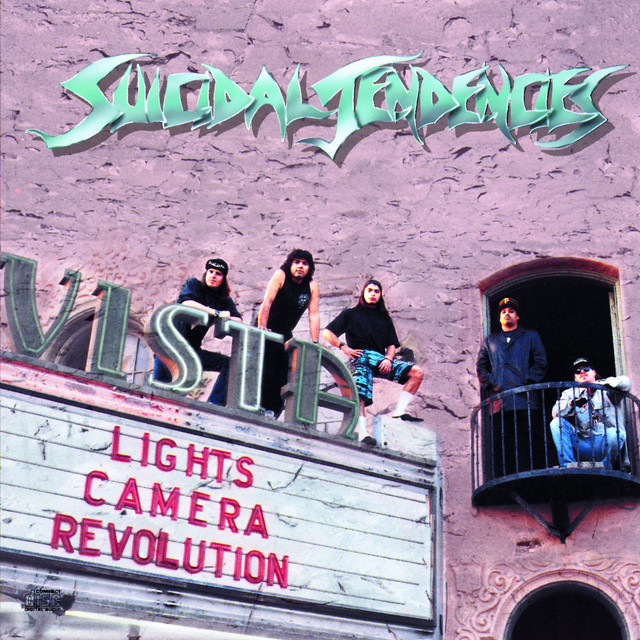
Released in 1990 on Lights...Camera...Revolution!, the track arrived at a key turning point for the band, helping mark their move from hardcore punk into a sharper thrash-metal sound, according to available release details and song history.[^1] That shift matters, because the music itself carries the message: they are becoming heavier, more technical, and even harder to ignore.
A Defiant Core, Not Just a Threat
At its heart, the song is about personal conviction under attack. The speaker insists that no one can change what is in their heart or tear apart their beliefs. When they repeat you can't bring me down
, they are not simply boasting. They are drawing a line.
Interpretation: The target is larger than one enemy. It can mean critics, authority figures, censors, the media, or anyone who tries to reduce a complicated person to a stereotype. The lyrics frame that pressure as ignorant and fearful rather than strong.
That is why the song sounds both personal and public. It speaks like one person under pressure, but it also sounds like a defense of a whole scene built on outsider identity.

Watch the official You Can't Bring Me Down
music video
Who They Are Fighting Against
One of the song’s smartest moves is that it never fully narrows the enemy down to a single face. Instead, it attacks a whole mindset. The speaker objects to people who call them unstable, dangerous, or wrong without understanding their reality.
Short phrases like part of your lie
and cover up your fear
suggest the real issue is dishonesty. The song argues that judgment often comes from fear, not truth. In that sense, the speaker is not just angry; they believe they are being falsely framed.
This fits Suicidal Tendencies’ broader image in the late 1980s and early 1990s, when the band often sat at the center of controversy around aggression, youth culture, and public perception. Their music regularly pushed back on being misunderstood.
The Spoken Rant Changes the Meaning
The most famous part of the track may be the late spoken section, where Mike Muir shifts from singing into a near-monologue. According to song summaries, that ending is built into the original recording structure, not a live add-on.[^1] It matters because it turns the song from anthem into argument.
Here, the message becomes blunt: just because someone does not understand something does not mean it is senseless or worthless. The speaker even admits emotional pain, using feel like shit
to say that honest suffering is better than fake respectability.
Interpretation: This section is the song’s moral center. It rejects polite hypocrisy. The rant argues that offense can sometimes be necessary if it forces people to face reality. That gives the song a deeper point than simple rebellion. It is defending authenticity, even when authenticity is ugly.
Just cause you don't understand what's going on
don't mean it don't make no sense
That short passage captures the song’s worldview: misunderstanding is not proof of meaninglessness.
How the Music Makes the Message Stronger
The track’s arrangement is a huge part of why it lands so hard. It opens with a whammy-bar lead and cleaner guitar textures before racing into the main riff. Song documentation also notes extra soloing, including tapping and shredding, plus a slower section around the back half before the final rant.[^1]
That design mirrors the emotional path of the lyrics:
- The intro feels tense and watchful.
- The main riff feels like confrontation.
- The slower section creates space for reflection.
- The rant explodes as a final statement.
Rather than sounding chaotic, the song is carefully staged. Produced by Mark Dodson and the band, it balances precision with rawness.[^1] The guitars feel heavy but controlled, which supports the central idea: this is not random anger, it is focused resistance.
A Song About Censorship, Too
The meaning of You Can't Bring Me Down Suicidal Tendencies also opens into a social reading. The music video, which reportedly became a notable clip on Headbangers Ball, shows the band dealing with imagery of bans, punishment, and state power.[^1] It includes a headline about being banned in Los Angeles and visual references to constitutional rights.
Interpretation: That makes the song feel tied to free speech and moral panic. In this reading, the speaker is not only defending personal dignity. They are defending the right to exist loudly in a culture that wants to silence difficult voices.
That context also explains why lines like I know is right
and we'll all sing along
matter. The song moves from "me" to "we." It begins as self-defense and grows into group solidarity.
Why It Still Connects
Part of the song’s staying power is that it never asks listeners to be perfect. It allows for anger, hurt, and rough language while still insisting on honesty. Many songs about empowerment sound polished. This one sounds wounded and combative.
That difference is why it still speaks to listeners who feel dismissed by institutions, peers, or public opinion. The song does not promise peace. It promises endurance.
Final Take
In the end, "You Can't Bring Me Down" is about identity under pressure. Through its aggressive structure, confrontational lyrics, and memorable spoken finale, Suicidal Tendencies turn accusation into self-definition.
Interpretation disclaimer: This reading is based on the song’s lyrics, performance, video imagery, and documented release context. Like most songs, it can support more than one valid interpretation.
[^1]: Factual release and production details drawn from the song reference data provided in the research materials.








