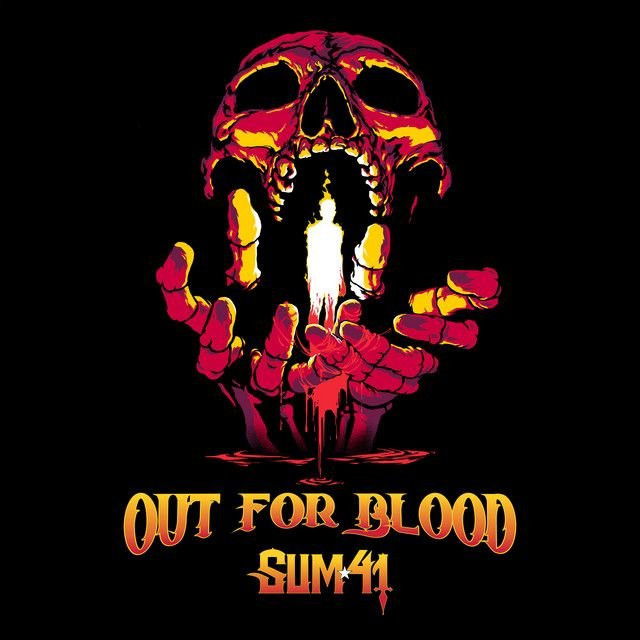
Why Sum 41's 'Out for Blood' Hits So Hard
When people search for the meaning of Out For Blood Sum 41, they usually hear the same thing first: pressure. The song does not sound confused about its mood. It sounds cornered, furious, and deeply distrustful.
"Out For Blood" - Sum 41
No solutions, give in now
There's no point resisting, there's nobody listening
Loading lyrics...
Unable to load lyrics
We're unable to display the lyrics at this time. Please try again later.
Released on April 24, 2019, as the lead single from Order in Decline, the track was written by Deryck Whibley and Mike Green, and produced by Whibley, according to Wikipedia. Those facts matter because the song arrived as Sum 41 leaned hard into a heavier mix of punk and metal, using speed and aggression to match the message.
The Song's Core Idea Is Collapse Without Leadership
At its heart, “Out for Blood” is about people feeling abandoned by those in charge. The verses describe a world with no clear answers, no trust, and no one worth following. Early lines like no way out
and nobody listening
frame a social crisis, not just a private bad mood.
Interpretation: They present a speaker who sees systems failing in real time. The song is not begging for comfort. It is accusing leaders, institutions, or power figures of letting things rot while ordinary people deal with the damage.
That is why the lyrics keep returning to doubt. When the singer asks what is real or right, the point is not simple sadness. It is moral disorientation. The world feels unstable, and the people who should guide others are either absent or dishonest.
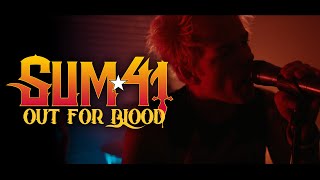
Watch the official Out For Blood
music video
Anger Builds From Numbness to Open Revolt
One of the strongest parts of the meaning of Out For Blood Sum 41 is how it moves from burnout into confrontation. At first, the lyrics describe emotional exhaustion. Phrases like apathetic, uninspired
suggest a crowd that has been drained for so long that they can barely react.
But the song refuses to stay in that numb place. The chorus turns private frustration into collective alarm. The image of things slipping away
suggests loss that is already underway, while you can't stop the bleeding
makes the crisis feel physical and urgent.
That metaphor matters. Bleeding implies visible harm, not abstract decline. Something has already been wounded, and the people responsible either cannot fix it or never meant to.
A Brief Look at the Chorus
All that we haveis just slipping away
You can't stop the bleeding
Even in this short section, the song turns fear into accusation. The chorus says the damage is shared, but the blame is pointed outward. Someone else left this mess behind, and now everyone else has to live with the cost.
Who Is the Song Talking To?
The song never names one target, which gives it power. It can apply to politicians, bosses, media figures, or any authority that hides behind empty promises. The line about empty threats
and lies makes that broad distrust clear.
Interpretation: They aim the song at failed leadership in general, not one villain. That makes it feel bigger than a personal breakup or a one-time conflict. It becomes a protest song for an age of cynicism.
The title pushes that feeling further. “Out for Blood” usually suggests a hunt, revenge, or ruthless intent. Here, it works in two ways:
- It describes the people in power as predatory.
- It also hints that the frustrated crowd is reaching a breaking point.
That tension gives the song its edge. It is about being attacked, but also about wanting to fight back.
The Sound Makes the Message Feel Physical
The meaning of Out For Blood Sum 41 is not only in the words. It is also in how the band plays them. The track blends punk speed with metal weight, which fits its reported genre tags of punk metal and skate punk. Fast drums, sharp riffing, and a tight, aggressive mix make the song feel like a siren rather than a speech.
Whibley’s vocal delivery is especially important. He does not sing these lines with detached cool. He pushes them out with strain and urgency, which helps sell the idea that the speaker is watching a situation get worse by the second.
That musical force also keeps the song from sounding helpless. Even when the lyrics describe collapse, the performance feels active. It is as if the band turns despair into motion.
The Video Adds a Working-Class Release Valve
The official video, directed by Lee Levin, supports that reading. As summarized on Wikipedia, it shows unhappy workers and social outsiders trapped in dead-end moments before the energy erupts into a live-show frenzy.
That visual matters because it shifts the song from abstract crisis to everyday frustration. The anger is not only about big systems. It is also about humiliating jobs, being ignored, and carrying resentment until it bursts.
Interpretation: The video suggests that music becomes a place where powerless people reclaim energy, even if only for a moment.
Why the Song Still Connects
“Out for Blood” landed as the lead single from Order in Decline, and it set the album’s tone well. It tells listeners that Sum 41 were not chasing nostalgia. They were sharpening their sound to match a darker view of public life.
Part of the song’s staying power is its openness. It never locks itself to one event, so listeners can hear their own frustrations in it. Some may read it politically. Others may hear workplace anger, social decay, or simple loss of faith in public language.
Either way, the emotional arc stays the same: confusion becomes distrust, distrust becomes rage, and rage becomes a demand to stop pretending everything is fine.
Final Take on the Meaning
The best way to understand the meaning of Out For Blood Sum 41 is as a song about collapse, betrayal, and the fury that follows silence. Its lyrics paint a world where help never comes, truth feels unstable, and the bill for failure is handed to everyone else.
Interpretation: They are not offering a solution. They are documenting the moment when faith in leadership breaks, and anger becomes the only honest response.
Meaning in songs can vary by listener, and this reading is an interpretation based on the lyrics, official release context, and the song’s sound and visuals.









