Why "Happy" by Surface Still Feels So Warm
The meaning of Happy Surface comes through almost immediately: this is a love song about emotional comfort, certainty, and the rare feeling of finding the right person. Surface do not hide that message behind mystery. Instead, they make it plain, which is exactly why the song still works.
"Happy" - Surface
Happy
Only you can make me happy, yeah
Loading lyrics...
Unable to load lyrics
We're unable to display the lyrics at this time. Please try again later.
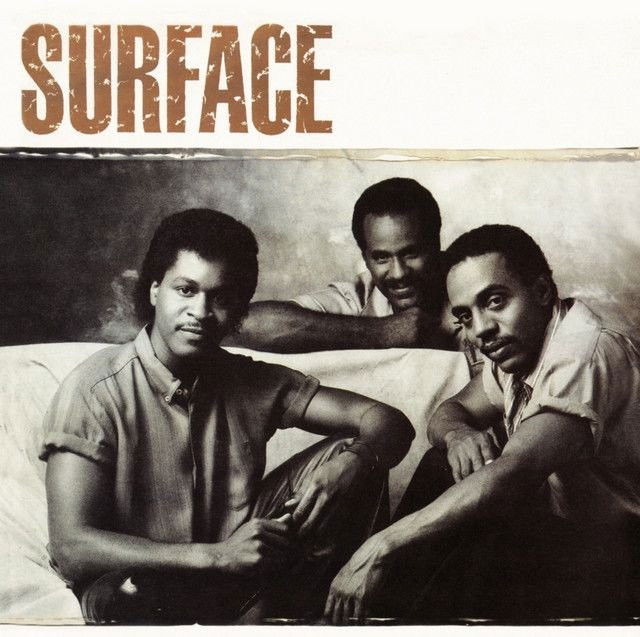
Released as a single in February 1987 from the group’s self-titled debut, Surface’s version became a major crossover hit, reaching No. 2 on Billboard’s Hot R&B/Hip-Hop Songs and No. 20 on the Billboard Hot 100, according to the research data provided from Wikipedia. That success matters because it shows how broadly its message connected. People heard something simple and deeply familiar in it.
A Love Song Built on Certainty
At the center of the song is total romantic focus. The speaker does not describe a crush that might fade or a relationship full of doubt. They describe a bond that feels complete, almost instantly life-changing. When the chorus says Only you
and make me happy
, it frames love as both emotional relief and emotional home.
That directness is the point. The verses build toward the chorus by showing amazement at finding someone so right. The singer did not expect this person, but now they feel almost stunned by the connection. A phrase like I feel hypnotized
suggests attraction that is strong enough to overwhelm normal caution.
Interpretation: The song is not really about “happiness” in a broad self-help sense. It is about happiness as a relationship state: being seen, chosen, and emotionally settled by one person.

Watch the official Happy
music video
How the Lyrics Move From Surprise to Devotion
The song follows a clear emotional timeline:
- The speaker is surprised by love.
- They recognize this person as unusually right for them.
- They promise commitment.
- They describe that bond as their main emotional need.
Early lines present love as unexpected. The singer never thought they would meet someone like this. That matters because it gives the song a before-and-after structure. Life was one thing before this relationship; now it feels transformed.
Then the language grows more committed. The vow-like feeling in Forever, you and me
pushes the song beyond flirtation. This is no passing romance. It is presented as lasting and stable.
Later, the spoken phone interlude makes the relationship feel ordinary in the best way. Instead of grand drama, listeners hear the small daily intimacy of a call and an expected visit. That little scene grounds the song. It says real love is not only a feeling; it is also routine closeness.
The Chorus Turns Joy Into a Promise
The hook is repetitive, but that repetition has a purpose. Each return to the chorus makes the emotion sound more certain. Rather than adding new details, the song keeps underlining the same truth: this person is the source of the speaker’s joy.
That can sound sweet, but it also creates a slight tension. Near the end, the singer says You're all I need
and insists they need no one else. In classic R&B, that kind of devotion often reads as romantic exaggeration. It shows intensity and loyalty.
Interpretation: Modern listeners may hear a double edge here. On one hand, it is affectionate and sincere. On the other, it may sound a bit emotionally dependent. The song itself does not present that as a problem; it treats exclusivity as proof of love.
Faith, Fate, and Everyday Romance
One reason the lyrics feel bigger than their plain language is that they borrow spiritual and destiny-like ideas. Calling the lover Heaven-sent
suggests more than attraction. It turns the relationship into a gift, almost something guided from above.
That image pairs with the song’s everyday details. On one line, the love feels blessed; on another, it shows up in phone calls, waiting at home, and wanting to be together every day. This mix is important. Surface balance ideal romance with normal companionship.
So the song’s main motifs are easy to spot:
- happiness as emotional safety
- devotion as exclusivity
- fate or blessing in love
- daily closeness as proof of commitment
Why the Sound Matters So Much
Surface were known for polished R&B that blended soul feeling with 1980s pop sheen. According to the supplied research, the track sits in soul and synth-pop territory, and that production style helps explain its message. The beat is steady, the keyboards are smooth, and the arrangement avoids rough edges.
That matters because the song is not trying to portray chaos, heartbreak, or longing from a distance. The music feels settled. Its glossy synth textures and soft groove make happiness sound lived-in, not explosive. Even the vocal delivery leans tender rather than showy, which keeps the focus on warmth.
The production credits in the research data also place the song within Surface’s core creative team: Bernard Jackson, David Conley, and David Townsend wrote it, while Jackson is credited as producer for the Surface single version. That creative consistency likely helped the track feel unified in voice and mood.
Why It Connected Beyond Its Era
Part of the meaning of Happy Surface lies in its accessibility. It does not ask listeners to decode symbols or chase hidden plot points. It says what it feels, then lets melody and repetition deepen that feeling.
That clarity likely helped it cross from R&B audiences to pop listeners in 1987. It also helps explain why the song was later covered by MN8 in 1995, as noted in the provided research. A song this straightforward can travel well across eras because the emotion is immediate.
The Lasting Takeaway
In the end, the meaning of Happy Surface is about more than feeling good. It is about the relief of romantic certainty—the moment someone stops being a possibility and becomes the person who makes life feel complete.
Surface deliver that idea with direct lyrics, gentle intensity, and a smooth arrangement that makes devotion sound calm, not desperate. That is why the song still feels warm decades later.
Disclaimer: This interpretation separates documented facts from critical reading. Song meaning can vary from listener to listener.








