Why ‘Rave Down’ Feels Like Motion and Decay
The meaning of Rave Down Swervedriver starts with collision. This is a song that sounds fast, heavy, and alive, yet its lyrics keep finding boredom, danger, and dead air. Swervedriver turn that contrast into the whole point. The track is not just about youthful energy. It is about what happens when that energy has nowhere useful to go.
"Rave Down" - Swervedriver
Before the pistol crack spins me out sideways
Like the sharp hard hit of a car crash in a dream
Loading lyrics...
Unable to load lyrics
We're unable to display the lyrics at this time. Please try again later.
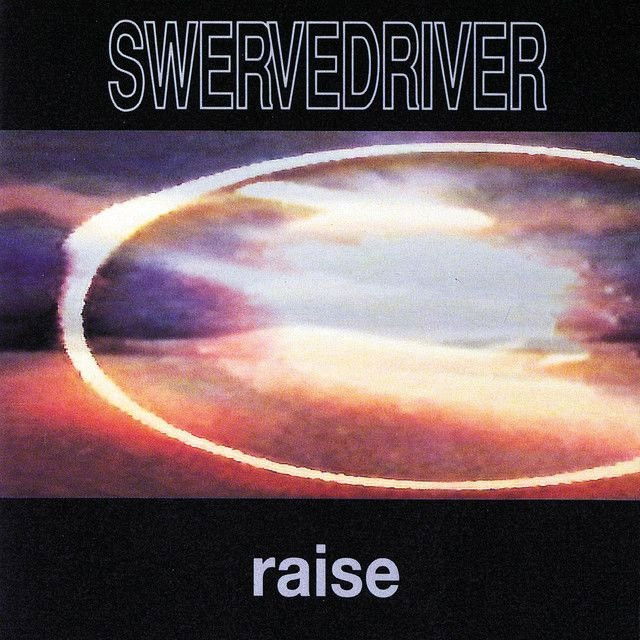
Released first as the title track of the 1990 Rave Down EP, then included on the band’s 1991 debut Raise, the song sits at a key early moment in Swervedriver’s rise. Factually, it came from a band often grouped with shoegaze, though their sound pushed harder into driving riffs and road-burn rock. That matters because the music and the lyrics tell the same story: movement without escape.
The Core Idea Hiding Inside the Noise
At its center, “Rave Down” paints a town that feels overcooked, under-stimulated, and slightly dangerous. The people in it are restless. The speaker sees sudden violence, empty nighttime routines, and weird pockets of humor that do not soften the mood. When the chorus lands with Rave down, hit the ground
, it feels less like a celebration than a command to brace for impact.
Interpretation: the song may be about youth culture after the thrill has worn off. “Rave” suggests release, speed, and communal excitement. But “down” pulls the idea downward. Instead of transcendence, they get collapse, exhaustion, and anticlimax.
That helps explain why the verses keep balancing motion with stagnation. They are always about to go somewhere, yet emotionally they are trapped where they started.

Watch the official Rave Down
music video
A Night Drive That Goes Nowhere
The song moves through snapshots rather than a neat plot. That fractured structure fits the mood.
First, the opening images feel immediate and physical. The mention of a weapon’s crack and a crash-like shock gives the song a dream-state panic. Even before anything is fully explained, the world feels unstable. Then the lyric undercuts easy moral labels with ain't black or white
. In plain terms, the song refuses simple heroes and villains.
Next comes one of its most revealing scenes: Four AM all night
at a gas station before heading toward the beach. This sounds like freedom at first, but the details drain the glamour out of it. They have stayed up, they are hanging around, and there is no place to go
. Even a shoreline, usually a symbol of release, becomes another stop in a loop.
There could be something happenin' here
But there's just no place to go
That short passage sums up the emotional center of the song. Possibility exists, but the setting cannot support it.
Small-Town Heat and Dead-End Energy
One repeated idea gives the song its social backdrop: Your town ain't lively
anymore. Swervedriver are not describing a vibrant rave scene. They are describing its absence, or maybe its failure. The title starts to sound ironic. This is less a rave than a comedown.
The final verse sharpens that reading through exaggerated local images. The city is so hot people seem to melt into the walls. An ex-cop sits around blasting flies for fun. These details are funny in a dark way, but they also show a place where boredom has curdled into absurdity. Nothing productive is happening. People are improvising little dramas because the real drama never comes.
Interpretation: the song can be heard as a portrait of towns left behind by culture and opportunity. The characters still hunger for thrill, speed, and connection, but the environment offers only decay and empty rituals.
How the Sound Carries the Meaning
Swervedriver’s music is crucial to understanding the song. On the page, these lyrics might seem like loose fragments. In performance, they lock into a physical experience. The band’s guitars churn and push forward, while the rhythm section makes the track feel like it is always accelerating.
That sound fit Swervedriver’s early reputation. According to the EP entry, “Rave Down” was produced by Anjali Dutt with the band, and critics praised its force. AllMusic called it a career high, while NME’s Mary Anne Hobbs described it as a wild machine of riffs. Those reactions help confirm a factual point: this song was built to hit with momentum.
That momentum changes the lyric meaning. The heavy, rolling guitars create the sensation of escape, while the words keep reporting that escape is incomplete. The listener feels the rush the characters want, even as the song admits that the rush will not fix the emptiness.
Why the Chorus Matters So Much
The chorus is simple, but that simplicity is what gives it power. Hit the ground
can suggest dancing, surrender, impact, or survival. It works because the song keeps all those meanings in play.
Interpretation: one reading hears the chorus as a rave command, like giving in to the beat. Another hears it as the aftermath of emotional whiplash, when all that speed drops a person back into reality. Swervedriver never force a single answer.
That ambiguity is one reason the track lasts. It is visceral enough to enjoy as pure rock, but suggestive enough to reward close listening.
What “Rave Down” Ultimately Says
The meaning of Rave Down Swervedriver is the clash between motion and paralysis. The song captures a craving for excitement inside a place that feels worn out. Its people drive, wait, burn, and imagine, but they do not quite break free.
That tension is why the track still feels vivid. It understands that youth is not only about possibility. Sometimes it is also about being awake at the wrong hour, in the wrong town, with too much energy and nowhere to put it.
As with many Swervedriver songs, this interpretation is not the only one. Their lyrics leave room for listeners to hear social commentary, surreal snapshots, or just the emotional truth of restlessness.








