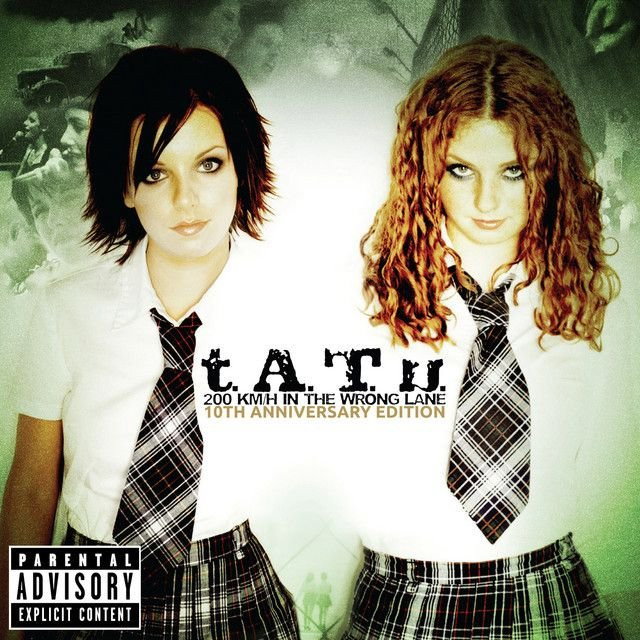
Why t.A.T.u.’s Biggest Hit Still Feels Dangerous
The meaning of All The Things She Said t.A.T.u. starts with emotional overload. The song does not present love as calm or simple. Instead, it turns attraction into a mental storm, where desire, shame, and outside judgment all crash together at once.
"All The Things She Said" - t.A.T.u.
Running through my head, running through my head
Running through my head
Loading lyrics...
Unable to load lyrics
We're unable to display the lyrics at this time. Please try again later.
Released by Russian duo t.A.T.u. and widely known through its English version, the song became a global pop hit in the early 2000s. It was written by Elena Kiper, Martin Kierszenbaum, Trevor Horn, Valery Polienko, Sergey Galoyan, and Ivan Shapovalov, with Trevor Horn among its key producers in the English-language release cycle. Those facts are well documented in major discography and credits sources such as AllMusic and Discogs.
The Heart of the Song Is Inner Conflict
At a basic level, the narrator is stuck between what they feel and what the world tells them they should feel. The repeated hook about thoughts running through my head
shows that they cannot escape the words, promises, or emotional impact of the relationship.
This is why the chorus lands so hard. It is not just catchy repetition. It sounds like a mind caught in a loop. The phrase this is not enough
suggests that denial is failing. Trying to ignore the relationship has not made anything easier.
Interpretation: The song frames love as both liberating and terrifying. The narrator feels awakened by the connection, but that awakening also brings fear because it challenges social rules.

Watch the official All The Things She Said
music video
Desire Meets Shame in the Verses
The verses explain why the chorus feels so frantic. Early on, the narrator admits feeling lost and shaken. They describe the relationship as something that opened their eyes, which suggests discovery, not just romance. This is not a casual crush. It feels life-changing.
They also fantasize about escape. When they imagine being alone together and being free, the song reveals its central pressure point: their feelings are real, but the outside world makes those feelings feel unsafe.
Later, the song gets even more direct. The narrator says they feel blamed and judged, while still wanting the other person intensely. A phrase like wash away all the shame
makes the emotional stakes clear. This is not only about passion. It is also about trying to survive humiliation and scrutiny.
Family and Society Become Part of the Story
One of the most memorable moments brings parents into the conflict. The questions from mother and father make the pressure suddenly feel domestic and personal, not just abstract. The narrator is no longer only battling private thoughts. They are facing a moral courtroom at home.
Mother looking at me
Have I crossed the line?
That brief moment captures the song’s biggest fear: that desire will be treated as deviance. The family voice does not comfort the narrator. It polices them.
Interpretation: This is one reason many listeners read the song as a portrait of queer panic under social pressure. The lyrics strongly support that reading, especially because the desired person is clearly identified as “she.”
The Sound Turns Anxiety Into Pop Power
Part of what made the song huge is how its production translates emotion into physical force. Trevor Horn’s pop style often aimed for drama and scale, and this track pushes that instinct into something sleek but tense. The beat drives forward with very little emotional rest, while the guitars add bite and urgency.
The vocal arrangement matters too. The lead lines often sound breathless and pressed, while the chorus feels stacked and relentless. Instead of soothing the listener, the production keeps tightening the screws. That is why the song feels bigger than its lyric sheet alone. It sounds like obsession.
For U.S. listeners, that mattered. The track fit early-2000s pop radio, but it also carried darker energy than many of its chart peers. It blended teen-pop immediacy with alt-pop drama.
Context Makes the Meaning More Complicated
The song’s public image cannot be separated from t.A.T.u.’s broader presentation. The duo’s schoolgirl styling and controversial video helped drive attention, and media coverage at the time often focused as much on provocation as on music. Reporting from outlets like BBC and Rolling Stone documented both the commercial success and the backlash.
That context matters because there are two levels of meaning here:
- Textual meaning: the lyrics present a young woman overwhelmed by love for another woman.
- Cultural meaning: the song was packaged and sold in a way that sparked debate about authenticity, exploitation, and spectacle.
Both can be true at once. A song can express genuine emotional conflict while also being shaped by a marketing machine.
So What Does the Song Finally Say?
The meaning of All The Things She Said t.A.T.u. is not just “forbidden love.” It is the sound of someone realizing that desire has changed them, while the world around them insists that change is wrong. The song’s power comes from that collision.
Its chorus captures obsession. Its verses show shame and longing. Its family scene adds judgment. And its production turns all of it into a rush that still feels intense decades later.
That is why the song lasts. Even beyond its controversy, it understands what it feels like when emotion becomes impossible to hide.
Disclaimer: This interpretation is based on the released lyrics, performance, and public context. As with many pop songs, listeners may hear meanings that differ from the artist’s stated intent.








