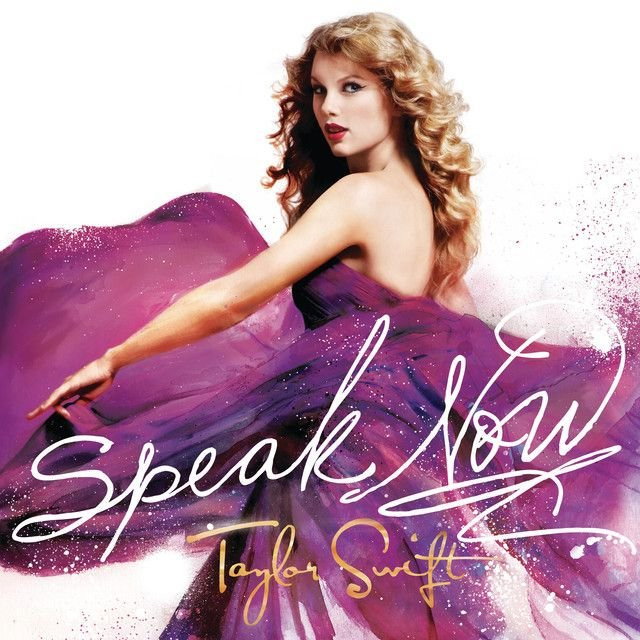
Mean by Taylor Swift
Why This Song Still Lands Hard
Taylor Swift’s “Mean” sounds bright and playful, but its subject is painful. The song takes verbal bullying seriously and answers it with a promise: the target of cruelty will outgrow the person causing it. That is the core meaning of Mean Taylor Swift for many listeners.
"Mean" - Taylor Swift
And swords and weapons that you use against me
You have knocked me off my feet again
Loading lyrics...
Unable to load lyrics
We're unable to display the lyrics at this time. Please try again later.
Factually, “Mean” was written by Swift for Speak Now and released as the album’s third single in 2011. It was produced by Swift and Nathan Chapman, and it later won Grammy Awards for Best Country Song and Best Country Solo Performance. Those details helped cement it as one of her key early-career statements.

Watch the official Mean
music video
The Central Message Beneath the Hook
At the song’s center is a speaker addressing someone who uses humiliation as a weapon. Early lines compare insults to sharp objects and harsh sounds, showing how words can wound even without physical force. When the narrator feels reduced to nothing
, the song makes emotional damage feel immediate and personal.
Interpretation: The track is not only about one cruel person. It also speaks to a larger pattern: some people keep power by finding weakness in others and pressing on it.
That is why the chorus matters so much. The narrator imagines a future in a big old city
, far from the bully’s reach. Instead of begging for kindness, they picture distance, growth, and independence. The repeated question why you gotta be so mean?
is simple, but it works because it sounds both wounded and accusing.
Who the Song Seems to Address
Swift has said the song was inspired by detractors and by people who attack everything about a person
and are just being mean
. That gives the song a real-world context beyond teenage conflict. It can be heard as a response to a critic, but it also clearly applies to school bullying, workplace cruelty, and social exclusion.
Interpretation: The song’s power comes from staying broad. It never traps itself in one exact incident, so listeners can project their own experience onto it.
The verses build that universality well. They describe someone who switches sides, spreads lies, and points out flaws the narrator already knows. That detail matters. The song understands that bullying often hurts most when it targets insecurities a person already carries.
A Story of Hurt, Then Defiance
The emotional timeline is easy to follow:
- A bully tears someone down.
- The target feels ashamed and small.
- The narrator realizes cruelty may come from the bully’s own damage.
- They decide the cycle stops here.
- They imagine a future where the bully has no control.
That turning point is one of the smartest parts of the lyric. The song briefly admits the mean person may have been hurt too. This does not excuse the behavior, but it adds emotional intelligence. The line about ending the cycle gives the song moral weight instead of pure revenge.
Still, “Mean” is not perfectly gentle. In the bridge, the narrator imagines the bully years later as bitter, loud, and ignored. That section is catchy and memorable, but it also sharpens the song’s edge.
All you are is meanAnd a liar, and pathetic
Interpretation: This is where the song gets most complicated. It condemns bullying, but it also risks mirroring some of that same language. That tension is part of why the track has lasted in conversation.
How the Sound Changes the Meaning
One reason “Mean” works is that it does not sound crushed. It sounds lively. The original recording is banjo-led, with fiddle, mandolin, hand claps, acoustic strumming, and a brisk feel often described as country-pop with bluegrass touches. That arrangement gives the song backbone.
Instead of dramatic sadness, the production creates motion. The hurt is real, but the music keeps pushing forward. The contrast matters: bright instrumentation makes the narrator seem resilient, not defeated.
This also helped “Mean” stand out on Speak Now. Critics often called it one of the album’s most country-sounding tracks. That roots the message in a traditional, plainspoken style, which makes the anti-bullying theme feel direct and accessible.
Why Listeners Heard an Anthem
Commercially, the song became a major hit, reaching No. 11 on the Billboard Hot 100 and No. 2 on Hot Country Songs. It was later certified 3× Platinum in the United States. Those numbers show how widely its message traveled.
Critically, many praised its courage and singalong force, while some argued it undercut itself by hitting back too hard. Both readings are fair. The song is empowering, but it is also defensive and angry.
Interpretation: That mix may be exactly why it resonates. Real responses to cruelty are rarely neat. People do not always answer pain with perfect grace.
What “Mean” Finally Says
The lasting meaning of Mean Taylor Swift is not simply “ignore your haters.” It is more specific than that. The song says cruel people can shape a moment, but they do not get to shape a life.
Its best idea is growth through distance. The narrator does not defeat the bully in a dramatic showdown. They outlast them. They build a future the bully cannot enter.
That is why “Mean” still speaks to listeners. It turns embarrassment into momentum, and it lets survival sound catchy.
Disclaimer: This interpretation blends documented context with critical reading. As with any song, meaning can vary from listener to listener.