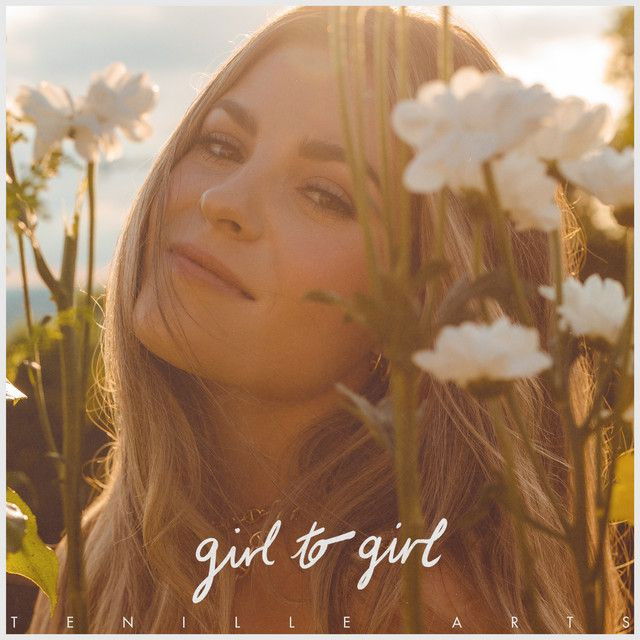
Growing Old Young by Tenille Arts
When Childhood Gets Cut Short
The meaning of Growing Old Young Tenille Arts centers on a child who is pushed into emotional adulthood far too soon. Instead of learning about the world through play, they learn through fear, conflict, and silence inside the home. The song captures that painful shift with plain language and a steady country-pop delivery that makes the story feel personal and easy to grasp.
"Growing Old Young" - Tenille Arts
Cryin', tryna drown out the sound
Of fightin' words comin' from the living room
Loading lyrics...
Unable to load lyrics
We're unable to display the lyrics at this time. Please try again later.
Tenille Arts co-wrote the track with Ray Fulcher and Shane Sniteman, according to the song credits provided in the prompt. That matters because the writing feels built from lived-in detail rather than broad slogans. It focuses less on blame and more on what early family damage does to a kid’s inner life.
Watch the official Growing Old Young
music video
A Home Full of Noise and Quiet
The opening verse sets the scene in a house shaped by routine conflict. The child hears fightin' words
from the next room, and the adults keep doing what the song calls sweep it under the rug
. In plain terms, the home is full of damage, but nobody addresses it.
That combination of noise and silence is important. The arguments are loud, yet the real emotional truth goes unspoken. The image of adding another brick to the wall
suggests that every ignored problem makes the family feel more distant, closed off, and harder to repair.
Interpretation: The song is not only about one bad day. It is about repeated exposure to tension. That repetition is what makes a child feel older than they are.
What “Growing Old Young” Really Means
The chorus gives the song its core idea: a child can be forced to skip the normal pace of growing up. When Arts sings about the innocent stuff
, they point to the simple experiences kids should have before they understand betrayal, addiction, or emotional collapse.
The line about never having kissed a boy
while already having a broken heart is the clearest example. The song is saying that heartbreak can arrive before romance does. A child may not know adult love firsthand, but they can still feel its collapse when they watch it happen between parents or caregivers.
Another key image is knowing what alcohol can do before ever drinking it. That detail widens the meaning. This is not just about divorce; it can also speak to addiction, volatility, and the ways adult choices spill onto children.
The Second Verse Hits the Hardest
The second verse may be the song’s most direct statement of harm. It argues that a ten-year-old should be playing make-believe, not managing a damaged household. That contrast is powerful because it shows exactly what has been stolen: not years, but innocence.
A ten-year-old should be playin' house
Not holdin' theirs together
This brief moment is the emotional center of the song. It turns an abstract theme into a vivid picture. The child is doing emotional labor that belongs to adults, and they may even blame themselves for problems they did not create.
Interpretation: The song suggests that children in unstable homes often become peacemakers, caretakers, or silent witnesses. That role can create deep self-doubt, including the fear that they will never be enough
.
Why the Final Verse Changes the Song
What keeps the track from becoming hopeless is its ending. After describing the wound, it offers a path forward. The lyric about time being the only healer does not promise a quick fix, but it does promise movement.
Then the chorus changes. Instead of only describing damage, it starts describing survival. The child who grew up too soon can still learn to love well and move through hard things without letting the past define everything.
This shift matters because it reframes the song. It is not only witnessing pain; it is comforting someone who carries it. In that sense, the narrator sounds less like a distant observer and more like a compassionate guide.
How the Sound Supports the Story
Even on the page, the song reads like a modern country ballad, and that style fits the message. The likely strength of the track is restraint: a slow-to-mid tempo, clear vocal focus, and a melodic rise in the chorus where the emotional thesis lands. That kind of production lets the story stay front and center.
Arts is known for a polished country-pop approach in songs like her breakthrough hit Somebody Like That
, which reached No. 1 on Billboard’s Canada Country chart and gained wide attention in North America, as documented by Billboard and The Grand Ole Opry. In a song like this, that polished style likely helps soften the heaviness just enough for the message to reach a broad audience.
Interpretation: If the arrangement builds gently rather than dramatically, that would mirror the song’s theme. Childhood damage often does not arrive in one explosion; it builds quietly over time.
Why the Song Connects So Deeply
The meaning of Growing Old Young Tenille Arts resonates because it names a feeling many listeners know but struggle to explain: being young in age and old in burden. The song understands that trauma can speed up emotional development while also leaving someone stuck in pain.
It also avoids easy revenge or villain language. Instead, it stays close to the child’s perspective. That makes the song more compassionate and more useful. It tells listeners that early hurt is real, but it does not have to be the final chapter.
The Lasting Takeaway
At its core, “Growing Old Young” is about lost innocence, family conflict, and the long process of healing. It shows how kids absorb adult chaos long before they have the tools to make sense of it.
That is why the song lands so hard: it understands both the wound and the resilience that follows. Interpretation: listeners may hear their own story in it, but that personal connection is exactly what gives the song its power.
Disclaimer: This article offers an interpretation of the song based on its lyrics and available context. Meanings can vary from listener to listener.









