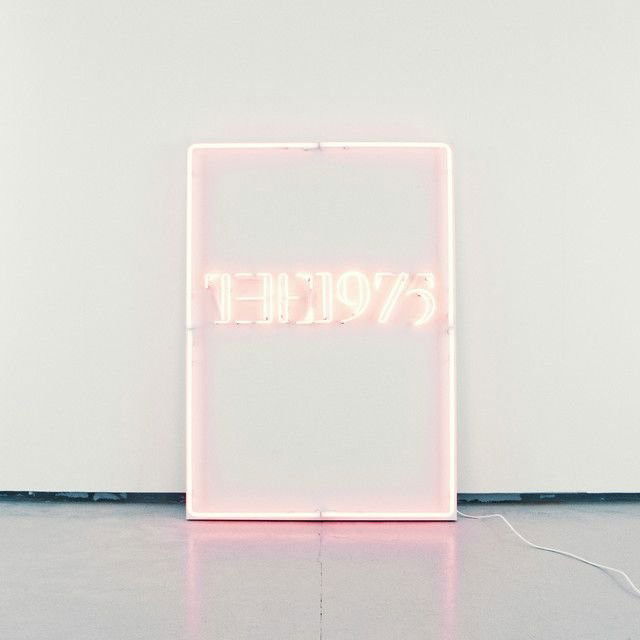
Why “A Change Of Heart” Hits So Hard
The meaning of A Change Of Heart The 1975 starts with a breakup, but it does not end there. The song is about the moment attraction collapses into clarity. What once felt glamorous, exciting, and romantic suddenly looks thin, performative, and lonely.
"A Change Of Heart" - The 1975
Am I too old to be this stoned?
Was it your breasts from the start?
Loading lyrics...
Unable to load lyrics
We're unable to display the lyrics at this time. Please try again later.
Released in 2016 as a single from I Like It When You Sleep, the track captures a relationship falling apart while both people seem trapped in image, habit, and self-consciousness. It is one of The 1975’s sharpest songs because it is not only sad. It is embarrassed, funny, bitter, and self-accusing at the same time.
The breakup is real, but so is the self-critique
On the surface, the narrator is leaving someone. The title phrase, change of heart
, sounds simple, almost casual. But the verses show something messier: they are not just disappointed in their partner. They are also disappointed in themselves.
Early lines undercut romance with blunt honesty. Instead of acting noble, the speaker admits desire may have been shallow from the start. That matters because it frames the whole song as a confession, not a revenge speech. They are waking up to the fact that the relationship may have been built on projection.
Interpretation: the song is about disillusionment on both sides. The other person seems cold and detached, but the narrator also sees their own vanity, posturing, and neediness.
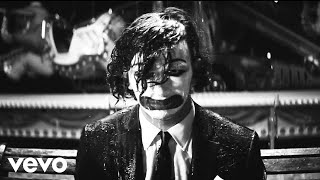
Watch the official A Change Of Heart
music video
A love story spoiled by performance
One reason the song stands out is its detail. The argument does not arrive as a big cinematic speech. It arrives through awkward, almost absurd images: broken glass, a botched cigarette, ugly insults, and then the famous social-media moment.
The lyric about taking a picture of your salad
and putting it online has become one of the song’s defining images. In plain terms, it shows a person turning lived experience into display. Instead of sharing a moment, they package it. That tiny action becomes a symbol for a wider emotional problem.
Matty Healy later said the song marked a point where The 1975 began focusing more directly on how technology changes intimacy and shared reality, as noted on the band’s Fandom entry. That context helps explain why this detail feels larger than a joke. It is funny, but it is also bleak.
The city offers glamour, then emptiness
The setting matters too. This is another 1975 song where the city promises stimulation but delivers alienation. The narrator talks about winding out of the city and later admits they never found love there, only self-pity.
That links the song to older 1975 themes: youth, nightlife, style, sex, and urban cool. But here, those things have lost their shine. Even beauty becomes unstable. When the narrator says straight out of a magazine
, they are describing someone once seen as ideal, polished, almost unreal. Later, that illusion drops, and the person just looks ordinary.
That line can sound cruel, but it reveals a major theme: fantasy is ending. The narrator is no longer seeing a symbol or a type. They are seeing a human being, and they do not know what to do with that truth.
The chorus sounds simple because the feeling is abrupt
The repeated hook is one of the song’s smartest moves. By returning again and again to I just had a change of heart
, The 1975 make emotional collapse sound almost too easy.
That simplicity is the point. Healy described the song in interviews as built from very simple musical ideas and direct truth. The phrase keeps landing because it masks something more painful: a whole relationship is being reduced to one flat sentence.
You were fit
but you're losing it
this is how it starts
This brief exchange captures the ugliness of mutual judgment. Each person sees the other as fading. Love has turned into critique.
How the sound carries the meaning
Musically, the song softens the blow even as the lyrics sting. It is a low-tempo synth-pop track with airy keyboards, light programmed drums, and a glossy 1980s glow. That smoothness creates distance. The music drifts; the words cut.
This contrast is crucial to the meaning of A Change Of Heart The 1975. The production sounds beautiful, calm, and almost dreamy, while the relationship inside it is clumsy and decayed. That mismatch reflects the song’s core idea: modern romance often looks better than it feels.
The arrangement also uses repetition in a clever way. The looping melodic figures mirror emotional rumination, as if the narrator is replaying the breakup until it becomes numb. Rather than exploding, the song glides. That makes the sadness feel resigned instead of dramatic.
The clown imagery deepens the song’s sadness
The official video, released in April 2016, pushes the song toward tragicomedy. In black and white, Healy plays a melancholy clown in a collapsing romance. The image fits the lyric’s self-mockery. This narrator is hurt, yes, but they also know they are ridiculous.
That matters because The 1975 rarely present heartbreak as pure sincerity. They mix emotion with irony, style with vulnerability, and confession with performance. In this song, the clown image suggests that failed love can make people feel both wounded and absurd.
Final takeaway
So, what is “A Change Of Heart” really about? At its core, it is about seeing through a relationship’s surface and realizing that both romance and identity have become performative. It is a breakup song, but also a song about image culture, shallow desire, and the strange loneliness of being constantly seen.
Interpretation: the real heartbreak is not just losing the other person. It is realizing the connection may have been partly staged all along.
That is why the song still lands. It understands that modern love can fall apart not in one grand betrayal, but in a series of small, revealing moments.
Disclaimer: This interpretation is based on the lyrics, credited context, and documented comments from Matty Healy. As with any song, listeners may hear different meanings in it.








