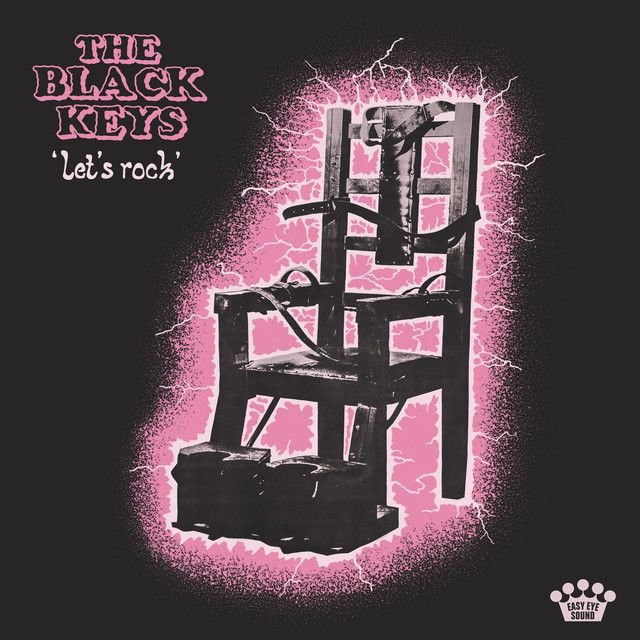
Breaking Down by The Black Keys
The meaning of Breaking Down The Black Keys comes into focus fast: they turn a private spiral into a simple, universal question about pain. The song is not just about sadness. It is about the moment when hurt becomes too heavy to carry alone.
"Breaking Down" - The Black Keys
I got caught in the trap of somethin'
Bag of bones, sat alone in the deep end
Loading lyrics...
Unable to load lyrics
We're unable to display the lyrics at this time. Please try again later.
The Black Keys, the Akron duo of Dan Auerbach and Patrick Carney, built their name on raw garage-blues emotion and later broke through with Brothers in 2010, a major commercial and critical success for the band (Wikipedia). That larger context matters here, because “Breaking Down” sounds like a band taking familiar blues themes—heartache, struggle, survival—and giving them a cleaner, more direct pop structure.
The Song’s Core Wound
At its center, the song describes someone who has already been hurt and is now close to collapse. The opening presents a figure who goes out, loses balance, and ends up trapped. When they sing stumbled
and caught in the trap
, they are not just reporting events. They are sketching a mental state: disoriented, stuck, and ashamed.
That feeling gets stronger with the image of a bag of bones
in the deep end. Paraphrased, the speaker sees themself as drained, isolated, and barely staying afloat. The plea to be pulled up suggests they want rescue, but they also believe others do not fully understand what they have survived.

Watch the official Breaking Down
music video
How the Chorus Turns One Story Into Everyone’s Story
The chorus is the key to the song’s meaning. Instead of staying inside one person’s scene, it opens outward and asks a direct question: when pain will not let go, do they feel like breaking down
?
That wording matters. It does not say breakdown is rare or shameful. It treats it as a human response to pressure. The lines about an aching heart and being unable to escape make the song feel less like drama and more like recognition. They are saying emotional collapse can come from grief, heartbreak, exhaustion, or accumulated stress.
Why the Question Format Matters
By asking rather than declaring, the chorus invites listeners in. They do not have to share the exact same story to feel seen. That is one reason the hook lands so well: it is personal enough to hurt, but broad enough to belong to anyone.
Ships, Tides, and the Language of Losing Control
The second verse leans on water imagery. They describe a trip across the ocean, a ship sinking, and then a partial return on the tide of someone’s love. In plain terms, the song moves from downfall to possible recovery, then back to instability.
Those images do a lot of work:
- The ocean suggests emotional depth and danger.
- A sinking ship points to failure that feels sudden but may have been building.
- The tide hints that love can carry someone back.
- Running aground implies rescue is incomplete.
When they sing tide of your lovin'
, the song briefly offers warmth. But it does not stay there. The relationship, if that is what it is, cannot fully erase the damage. That tension keeps the song honest.
A Relationship Song—Or Something Wider?
Interpretation: One reading is that “Breaking Down” is about romantic heartbreak. The mention of another person’s love supports that idea, and the emotional language fits a relationship that failed or nearly failed.
Interpretation: A second reading is broader. The song may be about depression, burnout, or a general emotional crisis. The chorus mentions pressure that cannot be escaped, and later the song speaks of the earth shaking and the soul being taken. That scale goes beyond a simple breakup.
Both readings work because the writing stays open. The Black Keys often draw from old blues traditions, where romantic pain, physical weariness, and spiritual struggle can overlap.
How the Sound Carries the Message
Musically, the song supports its theme by keeping things sturdy and repetitive. That is a Black Keys strength. The duo started with rough basement recordings and a stripped-down attack before expanding their sound over time (Wikipedia). Even when the production became bigger, they kept a blunt emotional core.
In “Breaking Down,” the likely effect is intentional: the groove keeps moving while the lyrics describe collapse. That contrast matters. The drums feel like forward motion, while the vocal sounds worn and human. The guitar tone adds grit instead of polish, making the pain feel lived-in rather than theatrical.
Why the Repetition Works
The repeated hook mirrors the experience of anxiety or grief. Painful thoughts do not arrive once; they loop. By circling back to the same question, the song imitates that trapped feeling.
Where It Fits in The Black Keys’ World
The Black Keys are known for blending blues roots with modern rock songwriting. They formed in Akron in 2001 and grew from indie basement recordings into one of the biggest American rock duos of their era (Wikipedia). Songs like this help explain why they connected so widely: they take old feelings and make them immediate.
There is also an interesting echo in Patrick Carney’s later comment that the band knew when they were reaching a “breaking point” from touring, as quoted in coverage of that era (Wikipedia). That quote is not proof of the song’s intent, but it fits the band’s larger history of pressure, fatigue, and persistence.
The Lasting Meaning of “Breaking Down”
So, what is the meaning of Breaking Down The Black Keys? Most clearly, it is a song about hitting emotional bottom and asking whether anyone can stay untouched by that feeling. Its power comes from simple language, strong imagery, and a chorus that turns one person’s hurt into a shared truth.
The song does not promise a clean recovery. It admits that love may help, but pain can still linger. That honesty is what gives it weight.
Disclaimer: This interpretation is based on the lyrics, the band’s documented history, and musical context. As with any song, listeners may hear meanings that differ from the artist’s private intent.








