Why 'Drive' by The Cars Still Hurts
The meaning of Drive The Cars comes down to a simple but painful question: what happens when someone needs help, and the person speaking no longer knows how to save them?
"Drive" - The Cars
It's too late?
Who's gonna tell you things
Loading lyrics...
Unable to load lyrics
We're unable to display the lyrics at this time. Please try again later.
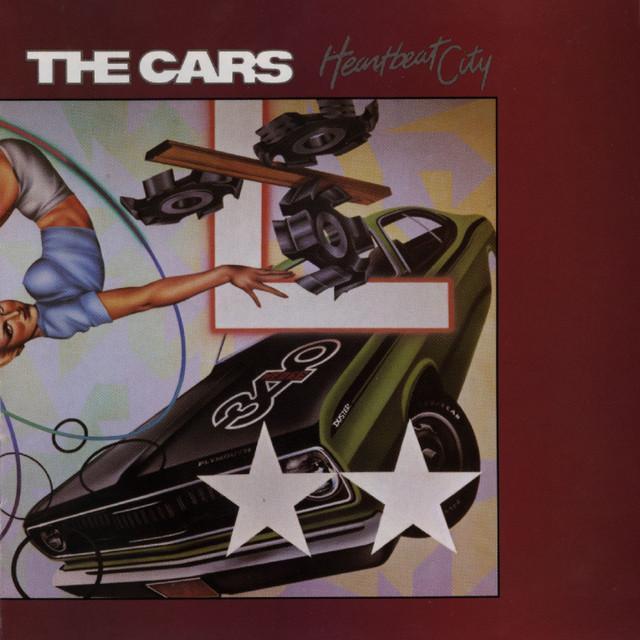
Released on Heartbeat City in 1984, Drive was written by Ric Ocasek and sung by Benjamin Orr. It became one of the band’s biggest hits, reaching No. 3 on the Billboard Hot 100 and No. 1 on the Adult Contemporary chart. Those facts help explain why the song lasts, but they do not explain why it feels so intimate. The real power is in its calm, aching concern.
A Ballad Built on Worry
Unlike many of The Cars' sharper, cooler hits, this song slows everything down. Instead of flirting or irony, the lyric asks question after question. The speaker seems to be addressing a woman who is struggling, denying reality, or falling apart emotionally.
Early on, lines like too late
and nothing's wrong
frame the problem. The person being addressed appears unable, or unwilling, to admit that something is broken. That makes the song less like an argument and more like an intervention whispered in the dark.
Interpretation: Many listeners hear a former lover speaking to someone he still cares about. Others hear a friend, caregiver, or even a parental voice. The song never locks itself into one role, and that ambiguity is a big reason it remains moving.

Watch the official Drive
music video
Who Is Speaking, and Why It Matters
The narrator does not describe his own pain in detail. Instead, they keep asking what will happen to the other person. That choice shifts the emotional center away from romance alone and toward responsibility.
When the lyric asks Who's gonna pick you up
and later returns to Who's gonna drive you home
, it is not just about transportation. It points to dependence. The song is really asking: who will protect you, guide you, or stay when things get bad?
That is why the chorus lands so hard. Home is usually a place of safety. But here, getting home feels uncertain. The speaker sounds worried that the person may not have anyone left to catch them.
The Chorus Turns Care Into Heartbreak
The title phrase is ordinary on the surface. Almost anyone can picture the late-night scene. But that plain language is exactly what makes it devastating.
Interpretation: In this song, “drive” becomes a symbol for basic human care. It means doing the unglamorous work of looking after someone when they are unstable, lonely, or self-destructive. The repeated question suggests the speaker may once have filled that role but cannot anymore.
You can't go on
Thinking nothing's wrong
That brief moment is the song’s emotional core. It is the closest the narrator comes to direct truth. Everything else circles the problem through questions, but here they state it plainly: denial cannot last.
Sound That Feels Like Empty Space
Part of the meaning of Drive The Cars comes from its arrangement. The production, credited to Robert John “Mutt” Lange and The Cars, wraps the song in soft synths, a slow pulse, and wide empty spaces between phrases. That gives the track a floating, haunted quality.
Benjamin Orr’s lead vocal is crucial. Critics and historians often note that Ocasek wrote the song but gave it to Orr to sing, a choice that added tenderness and warmth. American Songwriter argued that Orr’s delivery gives the song the emotional connection it needs. That feels right: he sounds calm, but never detached.
The instrumental restraint matters too. The synthesizers do not overwhelm the lyric; they surround it like fog. The result is a pop ballad that feels elegant yet deeply lonely.
Context Makes the Song Even Sadder
Facts around the song deepen its reputation. The track appeared on Heartbeat City and was released as a single on July 23, 1984. It later became strongly associated with 1985's Live Aid, when its use with famine imagery in the UK changed how many people heard it. That public context gave the song an even heavier emotional shadow.
The video also shaped audience readings. Directed by Timothy Hutton, it featured Paulina Porizkova and presented a dramatic relationship breakdown. While videos do not define lyrics, this one encouraged listeners to hear the song as a portrait of someone unraveling while another person watches helplessly.
The Most Plausible Readings
Several interpretations have stayed popular over time:
- A failing relationship: The speaker still cares, but cannot keep carrying the other person.
- Addiction or self-destruction: The repeated questions sound like concern for someone spiraling.
- Mental or emotional collapse: The song can fit depression, instability, or denial.
- General caretaking: It may simply be about the burden of loving someone who needs more help than one person can give.
None of these cancels out the others. The lyric is broad enough to hold all of them.
Why the Song Still Connects
What makes Drive endure is not mystery for its own sake. It is recognizable emotional truth. Many people have loved someone who refused help, hid pain, or depended too heavily on one person.
The meaning of Drive The Cars is therefore both specific and open. Specifically, it sounds like one person pleading with another to face reality. More broadly, it captures the sorrow of reaching the limit of what care can do.
That is why the song still feels fresh. It is not loud, dramatic, or overexplained. It simply asks the question that hurts most when a relationship is breaking: who will be there now?
Disclaimer: This interpretation draws on the lyrics, recording context, and public commentary, but song meaning can remain personal and open to more than one valid reading.








