What 'In Hell I'll Be In Good Company' Means
The meaning of In Hell I'll Be In Good Company The Dead South starts with a contradiction: the song sounds lively and fun, but its story is full of broken love, injury, guilt, and doom. That tension is the key to why it sticks. The Dead South, a Canadian folk-bluegrass group from Saskatchewan, built much of the track's appeal on that uneasy mix of dark writing and foot-stomping performance style, as reflected in the band's official releases and performance materials.
"In Hell I'll Be In Good Company" - The Dead South
Proud of and disgusted by her
Push shove, a little bruised and battered
Loading lyrics...
Unable to load lyrics
We're unable to display the lyrics at this time. Please try again later.
A Cheerful Sound Hiding a Grim Story
At its core, the song tells a messy relationship story that feels half confession and half folk tale. The narrator is trapped in a bond that has gone rotten. They are both drawn to and repelled by the other person, which comes through in the phrase proud of and disgusted by her
. That line captures the emotional split at the heart of the song.
Rather than offering a clean breakup song, The Dead South give listeners a wreck in progress. The lyrics move through bruises, threats, shame, and chaos. The hook, in hell I'll be in good company
, sounds almost joking, but it also feels like surrender. The narrator seems to believe they are already too deep in the damage to come out clean.

Watch the official In Hell I'll Be In Good Company
music video
The Narrator's Voice: Confession or Performance?
The song is written in first person, but that does not mean it should be treated as autobiography. Interpretation: many listeners hear it as a character voice in the tradition of old murder ballads and outlaw folk songs, where exaggeration and menace are part of the style.
That reading fits the song's dramatic details. Phrases like dead love
and I ain't coming home with you
suggest a relationship already beyond repair. The narrator is not calmly reflecting. They are speaking from inside a storm of anger, regret, and attraction.
How the Lyrics Build the Song's World
Love Turns Into Damage
The opening lines move fast from romance to conflict. The song starts with a relationship that cannot continue, then immediately shows bruising and distance. It is not just sad love. It is love turned corrosive.
When the narrator mentions a colder life and a weapon entering the scene, the writing becomes more extreme and surreal. Interpretation: these images may be partly literal and partly emotional. The violence can be heard as a way to dramatize how love feels when it becomes humiliation, obsession, and self-harm.
The Chorus as a Fatalistic Joke
The most memorable section piles up fragmented images: bed, tears, blood, bells, hanging, countdown. The details come in bursts, almost like flashes from a fight or a nightmare. One short phrase, knocks me on my knees
, helps show how overwhelmed the narrator feels.
Then the title line lands. Instead of asking for rescue, the singer accepts punishment and company among the doomed. That is what gives the chorus its dark wit. The narrator is not claiming innocence. They are saying they belong with the rest of the broken people.
Why the Sound Matters So Much
A big part of the song's meaning comes from how it is played. The Dead South are known for string-band instruments like banjo, mandolin, guitar, and cello, and that acoustic setup gives the track a raw, old-time drive. The arrangement is brisk and percussive rather than mournful.
That matters because the music never sinks into tragedy. It keeps moving. The bright picking and tight rhythm make the song feel communal, almost celebratory, even as the words describe collapse. This contrast is central to the experience: listeners are invited to clap along to a song about emotional and moral ruin.
Artist Context and Why It Connected
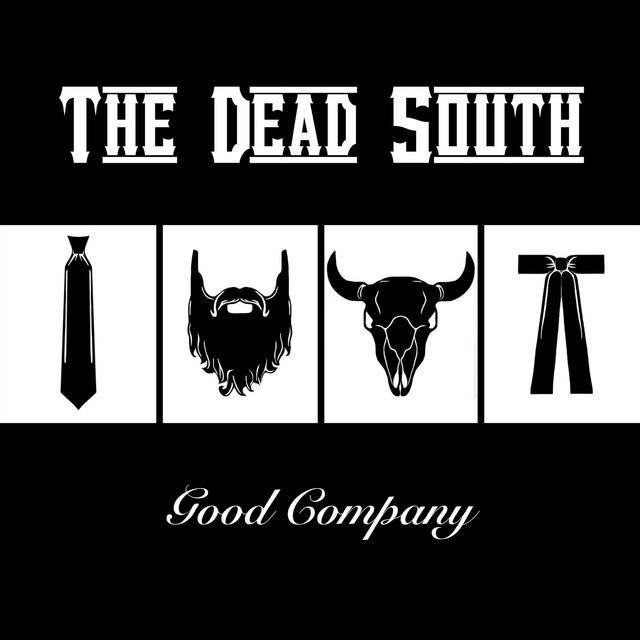
The Dead South formed in Regina, Saskatchewan, and became widely known for their darkly playful take on folk and bluegrass. The song appeared on the album Good Company, which helped define their style and reach a broader audience through live performances and a widely shared music video.
Their image also shapes how the song is heard. They often lean into old-fashioned instrumentation and stark visual presentation, but their writing has a modern sense of irony. That mix makes a line like good company
feel bigger than a personal breakup. It becomes a comment on human weakness itself.
Two Strong Interpretations
A Toxic Romance Gone to Hell
The clearest reading is that this is a song about a love affair so damaged that both people drag each other down. Jealousy, fighting, and shame fill the lyrics. Under this reading, hell is the emotional result of staying in a destructive relationship.
A Mocking Outlaw Persona
Interpretation: another reading is that the song is playing with the voice of a doomed antihero. In that version, the narrator is performing toughness while quietly admitting failure. The title then becomes a grin in the face of guilt, not a heroic statement.
Why the Song Still Feels Fresh
Many dark folk songs ask listeners to sit in sorrow. This one does something trickier. It makes ruin catchy. That is why the meaning of In Hell I'll Be In Good Company The Dead South keeps drawing people in: the song turns dread into a singalong without removing the sting.
Its power comes from that balance. The narrator is funny, reckless, ashamed, and defiant all at once. The band's lively acoustic attack keeps the story from becoming heavy-handed, while the lyrics keep the music from becoming simple roots revival.
Final Take
The song is best understood as a darkly comic portrait of a person trapped in a destructive bond and half-ready to accept the consequences. They do not sound proud of what happened, but they do sound resigned to it.
That blend of confession, menace, and swagger is what gives the track its identity. Interpretation disclaimer: song meanings are not fixed, and this reading is one informed interpretation based on the lyrics, performance style, and the band's broader artistic context.








