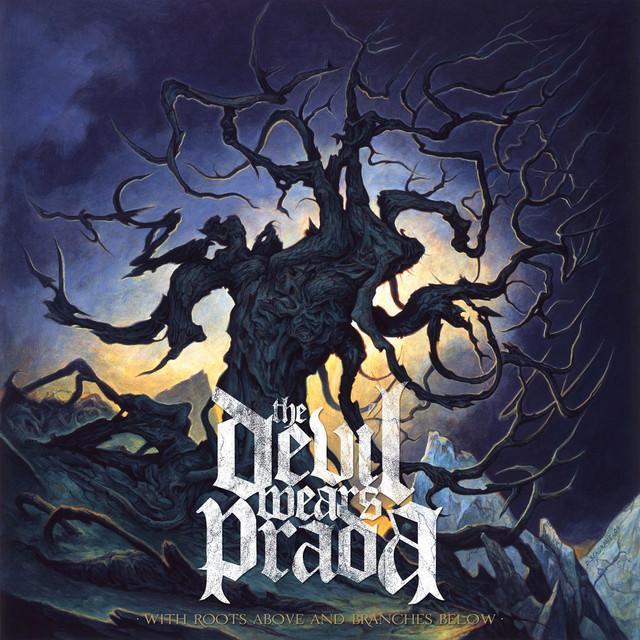
Danger: Wildman by The Devil Wears Prada
Why This Song Still Hits So Hard
The meaning of Danger: Wildman The Devil Wears Prada comes down to a forceful mix of warning and encouragement. The song sounds aggressive, but its core message is not pure anger. It pushes listeners to reject vanity, pay attention to truth, and recover humility before important things are lost.
"Danger: Wildman" - The Devil Wears Prada
And when doubted his truth reveals incredible vengeance
Vanity is a sepulcher
Loading lyrics...
Unable to load lyrics
We're unable to display the lyrics at this time. Please try again later.
That reading fits what frontman Mike Hranica said about With Roots Above and Branches Below. In a Songfacts interview, he explained that the album was meant to encourage people who were struggling or drifting from faith, and that this track included “bits of humility.” Songfacts also notes the song appears on the band’s 2009 album With Roots Above and Branches Below and features guest vocals from Trevor Wentworth of Our Last Night (Songfacts).

Watch the official Danger: Wildman
music video
A Warning About Pride and Numbness
From its opening images, the song presents a world where moral failure has consequences. When the lyric mentions a ghost and then moves into ideas of revenge, decay, and shame, it creates a haunted atmosphere. The point is less about a literal spirit and more about the way guilt, truth, and consequences come back.
One of the clearest lines is Vanity is a sepulcher
. In simple terms, the song treats pride like a tomb. That image suggests that self-obsession does not make a person stronger; it buries them.
Another short phrase, shame will follow
, reinforces that idea. The band frames selfish choices as actions that carry a cost, even when people pretend they do not.
What the Repeated Lines Really Mean
The song’s repeated statements act like its thesis. The phrase truth is never a cliche
argues that truth only feels stale when people stop listening. In other words, important moral or spiritual ideas may sound familiar, but that does not make them empty.
The next key phrase, attached to their deaf ears
, sharpens that point. Interpretation: the song suggests that people often reject truth on purpose. They cling to comfort, habit, or ego, then blame the message for being too common or too harsh.
This is why the chorus-like repetition matters. It does not simply repeat for emphasis. It mirrors the problem the song is describing: truth keeps being spoken, and people keep refusing to hear it.
Aimless Struggle and a Stalled World
Another major idea in the song is direction. When the band says standing still
, they connect personal confusion to a wider social paralysis. The problem is not just suffering itself. It is suffering without purpose, action without wisdom, and struggle without moral focus.
The image of Mountains of plastic
adds to that feeling. It suggests waste, artificiality, and a world buried under things that do not last. Even if listeners do not take that as an environmental image, it clearly points to excess and emptiness.
Then the song slows down to notice details: leaves are collected, counted, and named. That shift is important. Instead of rushing blindly, the lyrics suddenly ask for attention. Interpretation: this may be a call to patient reflection, the opposite of numb living.
Sacred Things Are Lost by Neglect
The most emotional part of the song may be its warning about taking basic gifts for granted. The mention of the sun and moon widens the song’s scope. It moves from personal faults to a bigger spiritual reality: people overlook what is most constant, beautiful, and sustaining.
The phrase What’s delicate is lost
is the song’s quiet center. After all the aggression, that line lands with sadness rather than fury. It suggests that sacred things do not always disappear through direct attack. Often, they fade through neglect.
That connects with another explicit faith-based line in the song, paraphrased as the belief that love can be traced back to a creator. Songfacts points out that the band has often included Christian ideas in its music, and this song is one of the clearer examples (Songfacts).
How the Sound Delivers the Message
Musically, “Danger: Wildman” makes its meaning feel urgent. The Devil Wears Prada work in metalcore, blending harsh screamed vocals, churning guitars, double-time drumming, and breakdowns with more melodic passages. That contrast matters.
The violent energy gives force to the warnings about pride and spiritual numbness. At the same time, the structured rhythm and recurring phrases make the song feel like a rallying cry rather than chaos. Trevor Wentworth’s guest appearance adds another layer of intensity, helping the song feel communal instead of solitary.
The video, directed by Spence Nicholson, is set in a tomb lined with bones, according to Songfacts. That visual choice fits the lyrics about burial, decay, and the danger of empty living (Songfacts).
Two Strong Ways to Read It
Interpretation 1: The song is a faith-centered message to people who feel spiritually exhausted. In that reading, it tries to wake them up, remind them of truth, and pull them back toward humility.
Interpretation 2: The song is a broader critique of modern numbness. Even outside a religious context, its attacks on vanity, waste, selfishness, and taking life for granted still hold.
Both readings work because the lyrics stay poetic instead of overly literal.
Final Take on the Meaning
The meaning of Danger: Wildman The Devil Wears Prada is not just danger for danger’s sake. It is about the danger of pride, indifference, and aimless struggle. Beneath the harsh delivery, the song is trying to rescue, not just condemn.
That is likely why it has endured as one of the band’s best-known songs: it turns metalcore intensity into a call for honesty, humility, and attention to what matters most.
Disclaimer: This interpretation mixes documented artist context with lyrical analysis, so some meanings remain open to listener perspective.








