Why "Queuejumper" Turns Petty Rudeness Into Satire
The meaning of Queuejumper The Divine Comedy starts with a small, ordinary annoyance: someone cutting in line. But Neil Hannon turns that tiny social crime into something bigger. The song is not just about bad manners. It is about entitlement, class-coded arrogance, and the kind of person who thinks rules are for everyone else.
"Queuejumper" - The Divine Comedy
I jump the queue 'cause I'm smarter than you
I jump the queue, I jump the queue
Loading lyrics...
Unable to load lyrics
We're unable to display the lyrics at this time. Please try again later.
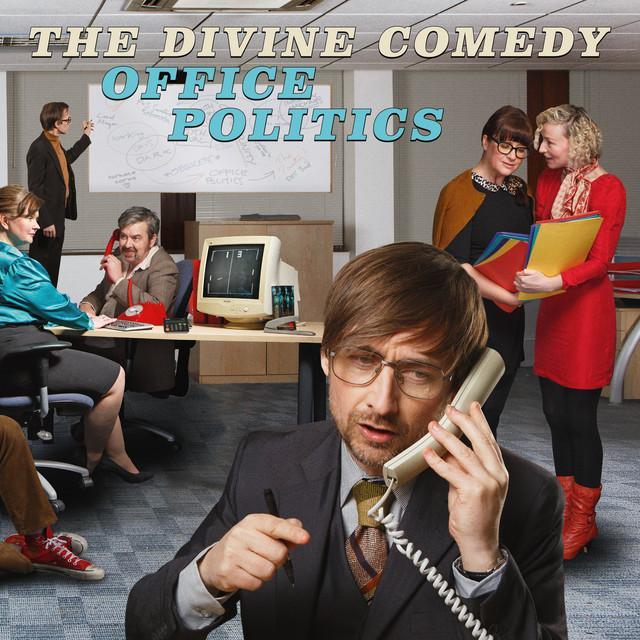
Released as the first single from 2019's Office Politics, "Queuejumper" helped set the tone for the album's workplace and commuter-world satire. As Paste's review noted, it works like a vignette from the point of view of the everyday villain: the person who pushes ahead because they believe they deserve to.
The Song's Core Idea: A Villain Who Tells on Himself
At the center of the song is a narrator who proudly admits what most rude people would never say out loud. He repeats that he will jump the queue
because he is smarter than you
and better than you
. That matters because the song removes all excuse or politeness. There is no misunderstanding here. The speaker knows he is selfish and treats that selfishness like proof of superiority.
In plain terms, the song mocks a mindset that confuses success with moral worth. The narrator believes access, speed, and money make him special. He does not apologize; he boasts.
Interpretation: Hannon seems less interested in one rude person than in a whole culture of casual entitlement. The queue becomes a symbol for any shared social rule that protects fairness.

Watch the official Queuejumper
music video
A Small Scene With Big Social Meaning
The image of a line is simple, which is why it works so well. A queue is one of the clearest examples of a social contract. Everyone waits. Everyone gives others equal space. When someone cuts in, they are not just saving time. They are declaring that their time matters more.
That is why the song's repeated claims feel so sharp. The line about not playing by the usual rules turns everyday impatience into an ideology. The narrator is not in a rush because of an emergency. He just believes the rules are beneath him.
The Traffic-Light Image Says the Same Thing
The second major image is the recurring mention of Red lights
. In the song, those signals represent limits, order, and public duty. When the narrator says they don't apply to me
, the point is bigger than driving. He sees every barrier as something for lesser people.
Red lights
don't apply to me
just for you
This short passage sums up the song's satire. The speaker divides the world into two groups: the people who must stop, and himself.
How the Chorus Works Like a Comic Mask
One reason "Queuejumper" lands so quickly is its blunt, repetitive chorus. The hook is catchy enough to feel funny at first. That is important. Hannon often writes songs that balance wit with critique, and The Divine Comedy's broader style blends chamber pop, baroque pop, and theatrical songwriting.
Here, repetition becomes a tool of exposure. The more the narrator insists he is superior, the more ridiculous he sounds. A decent person would hide these thoughts. This narrator turns them into a slogan.
Interpretation: The chorus may also mimic the inner logic of public narcissism. People who act entitled often repeat the same belief in different forms: I deserve more, I know better, I can get away with it. The song turns that loop into comedy.
Sound and Production: Bright Music, Ugly Character
The production helps carry the meaning. Reviews of Office Politics describe the album as musically elaborate, with touches like high strings, drums, horns, and glam-rock energy used to support the satire rather than flatten it into novelty. "Queuejumper" benefits from that same polished theatrical approach.
That matters because the arrangement gives the character swagger. Instead of sounding dark or tortured, he sounds pleased with himself. The upbeat drive mirrors the smug confidence of someone who keeps moving forward and expects the world to part for him.
There is also a clever contrast at work. The music is enjoyable; the narrator is obnoxious. That tension makes listeners laugh, but it also sharpens the criticism. The song seduces the ear while exposing the ethics of selfishness.
Context Inside Office Politics
"Queuejumper" was first played on BBC 6 Music in April 2019 and arrived ahead of Office Politics, The Divine Comedy's twelfth studio album and first double album. That context matters because the record often looks at modern work, public behavior, and systems that flatten human decency.
As an opening statement, "Queuejumper" introduces one of the album's recurring concerns: everyday life is shaped by petty power games. Not all of them happen in boardrooms. Some happen at the bus stop, in traffic, or on the morning commute.
Paste described the song as helping establish the album's working-life lament. That feels right. Before the office even begins, this character has already broken the social mood.
Alternate Readings Worth Considering
There is a straightforward reading: the song satirizes rude, self-important people.
There is also a wider one. Interpretation: the narrator can stand in for a social type shaped by status, money, and late-capitalist competition. When he says others are only jealous of what he earns, he reduces all moral criticism to envy. In that reading, the song is about a whole value system, not just one jerk in line.
A third reading is psychological. Interpretation: the over-the-top bragging may hide insecurity. People who constantly announce superiority often need others to believe it because they are not fully secure themselves.
Final Take on the Meaning of Queuejumper The Divine Comedy
The meaning of Queuejumper The Divine Comedy is that petty rule-breaking can reveal a much larger moral failure. Through a catchy hook, comic exaggeration, and a brilliantly smug narrator, the song mocks the belief that success excuses selfishness.
What makes it memorable is how familiar the behavior feels. Almost everyone has met this person. Hannon just lets him speak long enough to condemn himself.
Disclaimer: This interpretation mixes documented context with critical reading. Unless the artist has explained a line directly, some meanings remain open to listener interpretation.








