Why 'Theme From Sparta F.C.' Feels So Dangerous
The meaning of Theme From Sparta F.C. The Fall starts with a simple idea: this is a football chant turned into a post-punk threat. The song sounds funny, crude, and theatrical at once, but that mix is the point. The Fall build a portrait of tribal fandom where team loyalty becomes identity, swagger, and menace.
"Theme From Sparta F.C." - The Fall
When you give me something to slaughter
Shepherd boy (Hey!)
Loading lyrics...
Unable to load lyrics
We're unable to display the lyrics at this time. Please try again later.
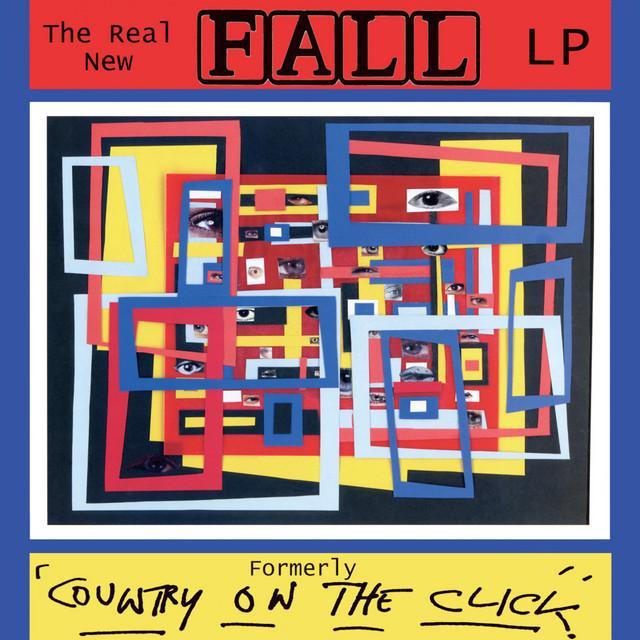
Factually, the song was released by The Fall in 2004 and is tied to The Real New Fall LP (Formerly Country on the Click). The later single version, "Theme from Sparta F.C. #2", reached No. 66 in the UK and was voted No. 1 in John Peel’s 2004 Festive Fifty, according to the research source listed below.
A Football Anthem With Teeth
On the surface, the lyrics sound like supporters chanting for a club called Sparta F.C. The repeated slogan We are Sparta F.C.
works like a terrace hook: blunt, collective, and impossible to miss. But The Fall are not just celebrating team spirit. They are showing how a crowd can turn into a mob.
Interpretation: The song dramatizes the thrill and ugliness of football tribalism. The words move from bragging and betting to threats and humiliation. That shift matters. It suggests that fandom here is not about sport alone; it is about power, territory, and domination.
The line We live on blood
is a key example. It is too extreme to read as ordinary team pride. Instead, it pushes the chant into violent fantasy, making the crowd sound half-cartoonish and half-scary.
Watch the official Theme From Sparta F.C.
music video
Who Is Speaking in the Song?
The voice is not a neutral narrator. It sounds like a hard, taunting supporter speaking for a group. That group voice matters because it erases the individual. The constant use of we
turns the song into a pack mentality.
This is why the insults hit so hard. The target is often an outsider, especially a rival English fan. When the lyric says English Chelsea fan
, it narrows the scene into football rivalry, but also into xenophobia, class mockery, and macho performance. The speaker wants to intimidate, not persuade.
Interpretation: They can hear Mark E. Smith using persona rather than confession. As with many Fall songs, the narrator is best heard as a mask. The ugliness belongs to the character being staged, even if the song enjoys the force of that voice.
The Greek Angle Changes the Meaning
Context helps a lot here. According to the research source, Mark E. Smith said Elena Poulou contributed words and that he added language based on what he saw as the attitude of Greek football fans, then put a Greek motif on the guitar. That does not make the song a documentary. It makes it a stylized collage of supporter culture.
That background explains why the lyric mentions Galatasaray and why the song feels bigger than one local match. It pulls from international football rivalries and from the image of fans treating the game like war by other means.
How the Lyrics Build Their World
The verses are made of commands, taunts, and scraps of street language. Phrases like Come on have a bet
and Be my toy
create a bullying tone. One invites reckless risk; the other reduces another person to an object. Together, they sketch a world where dominance is entertainment.
There is also a strange comic side. The lost knife, the jumper in the car boot, the paper-shop insult—these details feel grubby and absurd. That is classic The Fall. They often make menace feel ridiculous without draining it of danger.
This is your last game
We're Sparta F.C.
That brief burst captures the song’s method: a rival is named, a threat is implied, and the crowd identity swallows everything else.
Why the Music Hits So Hard
The track’s meaning is not only in the words. It is in the sound. The song runs on a clipped, driving groove with a sharp guitar figure and chant-ready rhythm. The research source notes that the single version was produced by Mark E. Smith and Simon Archer, and the arrangement feels built for repetition and impact.
The guitar motif gives the song a slightly exotic twist, which fits Smith’s comment about adding a Greek flavor. Meanwhile, the drums and group shouts make it feel communal, like a terrace chant dragged into a post-punk studio. Smith’s vocal delivery is crucial too: half bark, half sneer. He sounds amused by the ugliness even while channeling it.
More Than Satire, Less Than Celebration
A lot of listeners ask whether the song mocks hooliganism or enjoys it. The strongest answer is: both, in tension. The track clearly exaggerates fan aggression to the point of parody. Yet it also loves the energy of slogans, repetition, and confrontation.
That tension is probably why the song lasted. It was later used by the BBC for football results coverage from 2005 to 2009, and that mainstream use shows how catchy its sports-charge atmosphere is. But the full song remains rougher and meaner than any normal TV theme.
The Lasting Meaning of Theme From Sparta F.C. The Fall
The meaning of Theme From Sparta F.C. The Fall is not hidden. It is right there in the chant, the mockery, and the swagger. The song turns football identity into a study of tribal behavior: thrilling from inside the crowd, ugly from outside it.
What makes it memorable is that The Fall never clean that contradiction up. They let the song be funny, nasty, catchy, and unstable all at once. That is why it still lands.
Disclaimer: This interpretation separates documented context from critical reading. Like many Fall songs, its meaning stays open to debate.







