Yoshimi Battles Fear With a Smile
Why This Song Still Connects
The meaning of Yoshimi Battles the Pink Robots, Pt. 1 The Flaming Lips starts with a simple image: a woman fighting robots. But the song works because it is not only about combat. It is about faith, vulnerability, and the need to believe that someone, or something, can protect people when life feels huge and strange.
"Yoshimi Battles the Pink Robots, Pt. 1" - The Flaming Lips
She's a black belt in karate
Working for the city
Loading lyrics...
Unable to load lyrics
We're unable to display the lyrics at this time. Please try again later.
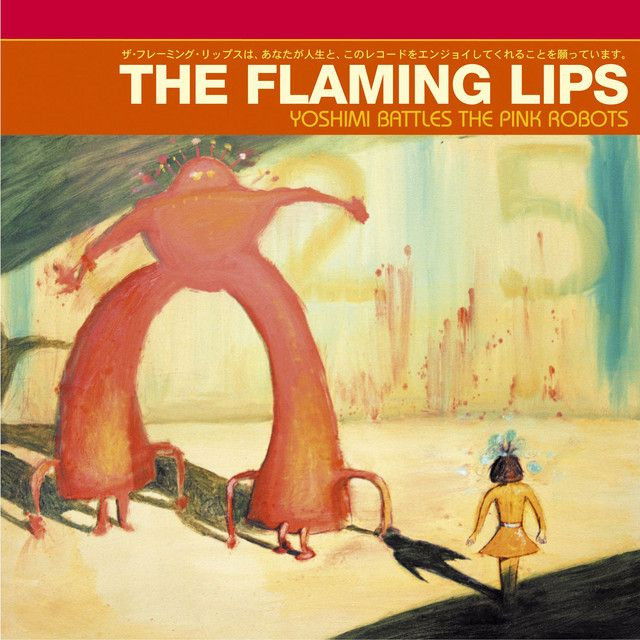
Released on the 2002 album Yoshimi Battles the Pink Robots, the track sits inside one of The Flaming Lips’ most loved records. That album pushed the band further into electronic textures while keeping their human, fragile core. Critics responded strongly, and the album later became one of the group’s best-known releases.
In this song, the danger sounds playful on the surface. The enemies are “pink robots,” not dark monsters. Yet that bright image makes the fear feel sharper. The band often pairs whimsy with sadness, and this track is a perfect example.

Watch the official Yoshimi Battles the Pink Robots, Pt. 1
music video
The Core Meaning Beneath the Sci-Fi Story
At the story level, Yoshimi is introduced as a disciplined fighter. She is described as someone with training, duty, and self-control. The narrator trusts her completely. When they say Her name is Yoshimi
, the line feels almost ceremonial, as if they are naming a hero before a battle.
Interpretation: Yoshimi can be heard as a symbol of courage. She may be a literal character, but she also stands for the part of a person that stays focused when fear takes over. The robots then become whatever feels cold, mechanical, and threatening in real life: illness, anxiety, violence, or emotional numbness.
The chorus turns that idea into a plea. The narrator keeps insisting that others may not understand, but Yoshimi will not let the robots win. That repeated trust matters more than the details of the fight. The song is less interested in action than in hope.
How the Lyrics Build That Idea
A Hero Made Human
The song does not present Yoshimi as magical. Instead, it shows preparation. She is a black belt in karate
, she works, and she has to discipline her body
. Those details make her feel earthly, not mythical.
That is important because the song argues that bravery is work. Strength does not arrive by accident. Even the slightly funny detail about taking vitamins supports that point. The band keeps the tone light, but the message is serious: survival asks for daily effort.
The Robots as More Than Robots
The phrase evil machines
sounds comic-book simple, but the simplicity is useful. The robots are “programmed,” which suggests forces without empathy. They do not think or care. They just move toward destruction.
Interpretation: That makes the robots a strong metaphor for anything that feels automatic and merciless. Some listeners hear disease in that image. Others hear depression, social pressure, or modern life itself. The lyric leaves room for all of those readings.
Yoshimi they don't believe me
But you won't let those robots defeat me
These lines show the emotional center of the song. The narrator is not simply reporting a battle; they are asking to be saved, and they are clinging to belief when nobody else shares it.
Artist Context Changes the Reading
The title character was inspired by Yoshimi P-We of Boredoms and OOIOO, who also contributed vocalizations to the album. As noted by Songfacts, Wayne Coyne and the band built the “Yoshimi” idea partly from a real person and partly from the imaginative world that name sparked in the studio.
That context matters because it shows the song was not born as a fixed allegory with one locked meaning. It grew out of sound, mood, and image. Coyne has also said the album was not strictly intended as a concept album, even though its first songs clearly connect in story and feeling.
There is also a later layer to the song’s reputation. In descriptions of the stage musical adaptation, Coyne linked Yoshimi’s battle to cancer imagery. That does not prove the song was originally “about cancer” in one exact sense, but it does support the broader reading that the robots can represent illness and mortality.
Why the Music Feels Gentle and Brave
The production is a huge part of the song’s meaning. The arrangement is electronic, soft-edged, and oddly warm. Instead of making the battle feel loud and aggressive, The Flaming Lips make it feel dreamy.
That contrast is powerful. The beat moves steadily, the synths glow, and the vocal delivery stays tender. Even the swooping opening effect, created with a pitch-bending pedal according to Steven Drozd, gives the song a floating quality rather than a hard-rock attack.
Interpretation: The sound suggests that courage is not always noisy. Sometimes bravery sounds calm, childlike, and even sweet. The band turns a fight song into a lullaby for survival.
A Few Strong Readings of the Song
There are several good ways to hear this track:
- Literal sci-fi tale: Yoshimi is a warrior protecting the narrator from invading robots.
- Illness metaphor: The robots stand for disease, while Yoshimi represents treatment, resilience, or the will to live.
- Inner strength reading: Yoshimi is the disciplined self fighting panic, despair, or numbness.
- Love and trust reading: The song is about believing another person can hold back chaos.
All four fit the lyrics. That openness is one reason the song lasts.
Final Take on the Song’s Message
The meaning of Yoshimi Battles the Pink Robots, Pt. 1 The Flaming Lips lies in its balance of innocence and dread. It dresses fear in bright colors, then answers that fear with trust. Yoshimi matters not because she is superhuman, but because the song believes ordinary discipline and love can face extraordinary danger.
That is why the track feels comforting even when its subject is survival. It says the world may be absurd, hostile, and impersonal. Still, somebody can stand up to it.
Disclaimer: This interpretation combines documented context with informed critical reading. Because The Flaming Lips leave room for ambiguity, listeners may hear the song differently.








