Why 'Ten Minutes' Still Hurts So Much
The meaning of Ten Minutes The Get Up Kids comes down to a painful idea: a short distance can feel enormous when a relationship is unstable. In just a few lines, the band turns a simple trip across town into a measure of fear, dependence, and emotional confusion.
"Ten Minutes" - The Get Up Kids
Is ten minutes too far?
When my friends all say I'm crazy
Loading lyrics...
Unable to load lyrics
We're unable to display the lyrics at this time. Please try again later.
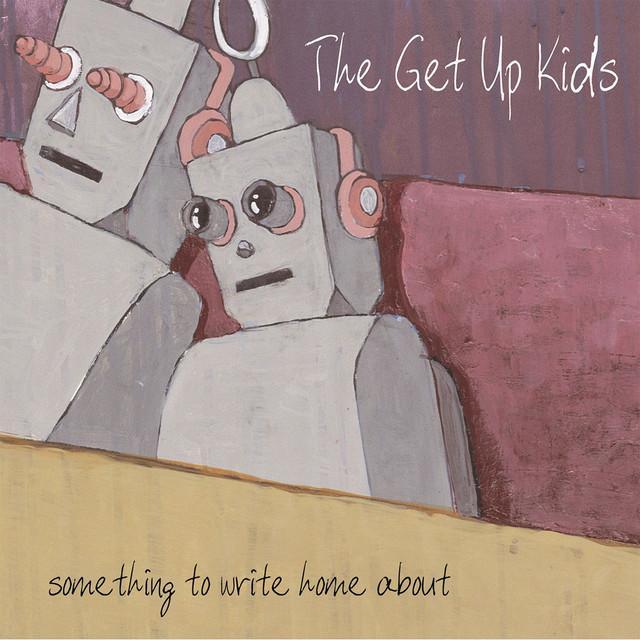
The song is tied to Something to Write Home About from 1999, one of the records that helped define late-1990s emo and melodic pop-punk. Songfacts also notes that “Ten Minutes” had a 1999 vinyl release through Sub Pop’s Singles Club and became a favorite live closer for the band. In Matt Pryor’s words, as quoted by Songfacts, it was a “driving song” and a “party” ending for shows. That live energy matters because the song’s sound is more forceful than its wounded lyrics suggest.
A Small Distance, A Big Emotional Gap
At the center of the track is a narrator who cannot decide whether they are holding on too tightly or reacting to a real problem. The repeated question about whether ten minutes too far
sounds almost practical at first. But it quickly becomes clear that the real issue is not geography. It is emotional access.
The narrator seems to fear absence more than conflict. When they plead, don't be gone
, the line is simple, but the feeling behind it is bigger. They do not just want a person home. They want proof that the relationship is still there when they return.
Interpretation: This is why the song feels so sharp. It captures the stage of love where logic stops helping. Ten minutes should not matter, yet to someone already anxious, it can feel like abandonment.

Watch the official Ten Minutes
music video
The Push and Pull Inside the Narrator
One of the best parts of the song is how honestly it shows mixed feelings. The narrator admits their friends think they are irrational, and they even wonder if they are being selfish or scared. That self-doubt gives the song depth. They are not blaming only the other person. They know they may be part of the problem.
Then comes the emotional core: falling in love
versus fall apart
. The song sets up an imbalance. One person appears to be moving into something stable and hopeful, while the other is unraveling.
Interpretation: That contrast may suggest a relationship with uneven timing. One person is ready for commitment, while the other is overwhelmed by insecurity, money stress, or the fear of not measuring up.
Money, Fighting, and Summer Distance
The song does not stay abstract. It adds everyday details that make the anxiety feel real. The image pockets empty
introduces financial pressure. That phrase widens the song’s meaning beyond romance alone. It hints that the narrator’s panic may come from feeling generally unprepared for adult life.
There is also the mention of a pointless fight and the frustration of dealing with someone who is always right. This matters because the song is not just about missing someone. It is about how love gets harder when pride, money, and exhaustion pile up.
Later, the reference to being home all summer changes the mood again. The narrator says distance can hurt even more when they are physically in familiar spaces. Home does not feel comforting. It becomes a place where absence echoes louder.
Sometimes I miss you more
Whenever I'm at home
That brief moment shows the song’s emotional trick: closeness and distance do not behave the way people expect.
How the Music Changes the Meaning
Part of the meaning of Ten Minutes The Get Up Kids comes from the arrangement. The lyrics could have been sung as a quiet breakup ballad. Instead, the band drives forward with a fast, bright, full-band sound that gives the words urgency rather than stillness.
That contrast is classic The Get Up Kids. Their music often pairs hooks and momentum with vulnerable writing. Here, the guitars and drums do not calm the narrator down. They make the emotion feel breathless, like thoughts racing during a car ride home.
Songfacts reports that Pryor described it as a song the band used to close shows because it went out with energy instead of sadness. That helps explain why the track works so well: it turns private panic into communal release.
Why the Song Still Connects
What keeps “Ten Minutes” alive is how ordinary its crisis feels. There is no huge dramatic event. There is only waiting, worrying, arguing, and trying to tell whether love is enough. That is relatable in a way bigger breakup songs sometimes are not.
The writing also avoids neat answers. When the song repeats that everything will work out, it does not sound fully convincing. It feels like reassurance offered in the middle of doubt, not at the end of it.
Interpretation: The song may be less about whether the relationship survives and more about what insecurity does to perception. A short drive becomes huge. A small fight feels final. A loving promise sounds fragile.
The Lasting Takeaway
In the end, “Ten Minutes” is about emotional disproportion: how a minor distance can represent a major fear. The narrator wants comfort, but they also seem trapped inside their own uncertainty. That tension is why the song still lands.
For listeners searching for the meaning of Ten Minutes The Get Up Kids, the clearest answer is this: it is a song about wanting someone close while feeling unable to trust closeness when it appears.
Disclaimer: This interpretation blends lyric analysis with available band context and should be read as informed opinion, not official confirmation of a single meaning.








