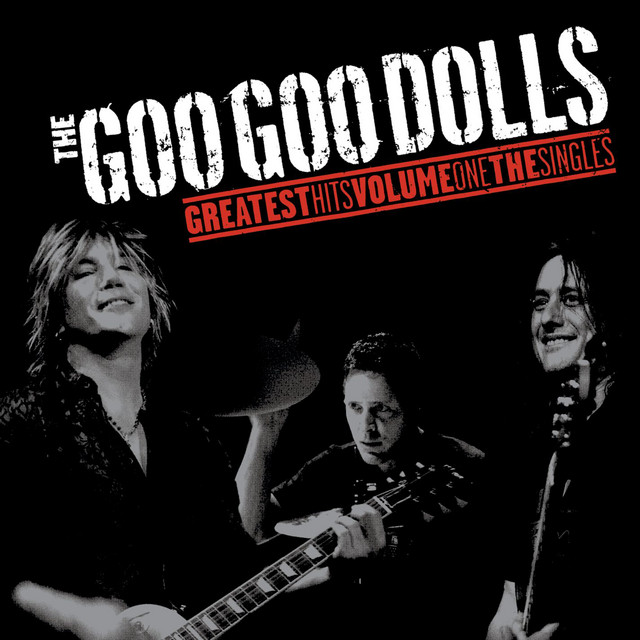
Slide by Goo Goo Dolls
The meaning of Slide Goo Goo Dolls is often missed on first listen. The song sounds bright, melodic, and even comforting, which is one reason many fans first took it as a simple love song. But under that polished pop-rock surface, it tells a much harder story about two young people facing an unplanned pregnancy and the pressure of deciding what comes next.
"Slide" - Goo Goo Dolls
The things you wanna feel
I'll give you anything
Loading lyrics...
Unable to load lyrics
We're unable to display the lyrics at this time. Please try again later.
According to John Rzeznik, who wrote the song, that darker reading is not just fan theory. In a VH1 Storytellers performance, he said the song is about “two teenage kids” trying to decide whether they should get married, have an abortion, or do something else. He also later described it to Stereogum as an “East Side Story” shaped by the strict religious and social culture he knew growing up in Buffalo. Those comments give the song a very specific emotional frame, even if the lyrics stay poetic and indirect.
A Love Song With a Crisis Inside
At the heart of “Slide,” they present intimacy and panic at the same time. The opening lines sound soft and close, but that tenderness quickly starts to feel like a shield against fear. When the narrator offers comfort and says wake up where you are
, the line sounds devoted, yet it also suggests a need to stay present while everything around them is becoming unstable.
That is what makes the song so effective. It does not announce its conflict in a blunt way. Instead, it circles the problem through half-spoken requests, evasive phrases, and emotional fragments. The repeated invitation to slide
can feel romantic, but it also sounds like a wish to move past confrontation without fully naming what is happening.
The Story Hidden in the Verses
The key to the song’s meaning sits in the details about family and authority. There are references to a priest, a father lashing out, and a mother withdrawing support. Paraphrased plainly, the song sketches a world where the couple are not making a decision in private. They are being watched, judged, and pushed by the rules of their community.
One short line, the priest is on the phone
, says a lot with very little. It brings religion directly into the crisis. Another blunt phrase, your ma disowned you
, suggests how severe the fallout could be. These are not the details of a carefree romance; they are the details of social shame.
Interpretation: The narrator seems less interested in giving moral advice than in offering solidarity. They may not have answers, but they want to stand beside the other person while the world closes in.
Why the Chorus Feels So Big
The chorus is memorable because it turns uncertainty into motion. The song keeps asking the couple to move toward each other, away from outside pressure, even if no perfect solution exists. Later, the song reaches its clearest emotional question with get married or run away
. That line is the center of the drama.
Paraphrased, the song reduces a life-changing crisis into two desperate-seeming options: submit to the expectations around them or disappear from them. That is why the chorus sounds both sweeping and sad. It is not freedom in the full sense. It is freedom imagined under pressure.
Sound That Hides the Weight
Part of why listeners misread the song is musical. “Slide” is built with a glossy late-1990s alternative-pop sound: chiming guitars, a steady beat, and a soaring hook. The arrangement feels open and radio-friendly, which can make the subject matter easier to miss.
That contrast is part of the song’s craft. The production gives the track lift, while Rzeznik’s vocal keeps a strained edge underneath. They sound like they are reaching for reassurance that never fully arrives. The result is emotionally mixed: catchy enough to sing along with, but uneasy enough to reward a closer listen.
Buffalo, Catholic Pressure, and Social Context
Rzeznik’s later comments matter because they connect the song to a real social environment. In the Stereogum interview, he described the East Side of Buffalo as blue-collar, immigrant, and “very, very super-conservative Catholic.” That helps explain why the lyrics mention family rejection and religious involvement so sharply.
In that context, “Slide” becomes a song about choices that do not feel free. Even the romantic language is shaped by fear of judgment. The tenderness in lines like what you are is beautiful
reads as a defense of someone who may feel condemned.
Interpretation: This is one reason the song still resonates. It captures how private relationships can be overwhelmed by public values, especially when sex, pregnancy, and religion collide.
A Few Ways to Read the Title
The title itself stays usefully ambiguous. “Slide” can suggest several things at once:
- slipping into intimacy
- letting a hard truth pass without saying it directly
- moving out of danger
- drifting toward escape
That layered word choice is why the song holds up. It never becomes a lecture. It remains a human scene, full of affection, fear, and unfinished thinking.
Why “Slide” Still Lands Today
The meaning of Slide Goo Goo Dolls lasts because the song understands that big moral debates are often lived as small, frightened conversations between two people. It is not just about a social issue. It is about what pressure does to love, language, and choice.
What sounds like an inviting chorus is really a plea: stay with me, move with me, let us survive this somehow. That mix of warmth and dread is what gives “Slide” its staying power.
Interpretation disclaimer: Song meanings can be layered, and listeners may hear different emotions in “Slide.” This reading is based on the lyrics, the recording, and John Rzeznik’s public explanations of the song’s intent.








