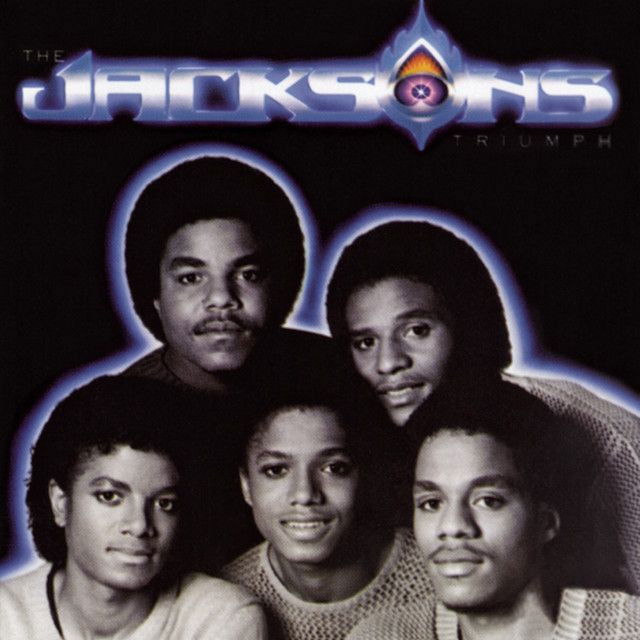
Can You Feel It by The Jacksons
The meaning of Can You Feel It The Jacksons starts with a simple idea: they are not just asking listeners to enjoy a groove. They are asking them to join a human movement. Released on the 1980 album Triumph, the song turns disco, soul, and pop into a message about unity, empathy, and shared responsibility.
"Can You Feel It" - The Jacksons
If you look around
The whole world's coming together now, baby
Loading lyrics...
Unable to load lyrics
We're unable to display the lyrics at this time. Please try again later.
At its core, “Can You Feel It” is a plea for people to recognize that they belong to each other. The song looks at pain, division, and violence, but it refuses to stay there. Instead, it pushes toward hope.
More Than a Dance Song
On first listen, the track feels huge and celebratory. The repeated hook Can you feel it?
sounds like a party chant. But the verses add moral weight. They point to a world where joy and suffering exist side by side, and they ask listeners not to ignore that fact.
This is why the song has lasted. It works as a dance record, but it also works as a social anthem. The Jacksons connect the body and the conscience: if people can feel the rhythm, maybe they can also feel each other’s pain.

Watch the official Can You Feel It
music video
The Big Message Inside the Verses
The verses build the song’s meaning by moving from global vision to personal duty. Early on, they describe the world coming together now
. That image suggests change in the air, as if unity is already possible if people choose it.
Then the song becomes more direct. It urges people to love one another and reject hatred. A key line about the same blood running through everyone strips away race, nation, and status. The point is plain: human beings are different on the surface, but equal in what matters most.
Later, the lyrics turn sharper. They contrast one person’s comfort with another person’s suffering. That shift keeps the song from becoming empty idealism. The Jacksons are not saying the world is already healed. They are saying people must wake up to injustice before they can change it.
Every breath you take
is someone's death
This brief moment is one of the song’s hardest images. It does not mean ordinary life is a crime. Rather, it highlights imbalance. Interpretation: they may be warning that comfort can make people blind to systems that hurt others.
How the Chorus Turns Feeling Into Action
The chorus is the song’s engine. By repeating Can you feel it?
, the group keeps asking for more than agreement. They want emotional recognition. In this song, feeling is the first step toward action.
That matters because the verses deal with heavy subjects, including hunger, hate, and war. A lecture might have sounded dry or preachy. But a chant feels communal. It invites people in instead of talking down to them.
Interpretation: the hook works almost like a spiritual test. If listeners truly “feel it,” they should not stay passive. They should care, connect, and act differently.
Brother, Sister, World
The song often speaks in family language. It talks about your brother
and addresses brothers and sisters
. That choice shrinks the distance between strangers. Social problems stop feeling abstract when everyone is cast as kin.
This family language also fits the Jacksons as performers. They were a real family group, so a call for brotherhood carries extra force coming from them. Their identity adds warmth and credibility to the message.
There is also a subtle tension here. The song uses gentle language, but it addresses severe realities, including hatred and killing. That contrast gives the record power. It sounds open-hearted without being naive.
Why the Sound Feels So Huge
Part of the meaning of Can You Feel It The Jacksons comes from its production. The track was produced by Michael Jackson and Jackie Jackson, and it is built to feel expansive rather than intimate. According to the song’s album credits, the group leaned into a polished, rhythmic sound that mixed pop precision with dance-floor force.
The beat is steady and urgent. The percussion keeps everything moving forward, while the bass and synth layers create lift. Strings and bright keyboard textures add a near-cosmic quality, making the song feel larger than one room, one city, or even one country.
Michael Jackson’s vocal delivery helps too. He does not sing the message like a quiet confession. He projects it. The lead and group vocals often sound like a crowd answering itself, which matches the lyric’s call for collective awakening.
Context Matters: The Jacksons in 1980
When “Can You Feel It” arrived, the Jacksons were in an important period. They had more creative control than in their Motown years, and Triumph showed them pushing toward a mature sound and message. That helps explain why this song feels both polished and purposeful.
It also sits in a larger pop tradition of late-1970s and early-1980s optimism, when major artists used dance music to talk about freedom, healing, and global connection. The song fits that era, yet its focus on inequality keeps it from sounding shallow.
Its famous music video also widened the song’s meaning. With cosmic and world-spanning imagery, it presented unity as something almost mythic. The visuals reinforced what the music already suggested: this was meant to be bigger than a hit single.
Final Meaning: Hope With Responsibility
So what is the final takeaway? The meaning of Can You Feel It The Jacksons is a call to shared humanity. The song says love is not just a nice idea. It is a practical answer to hatred, division, and indifference.
Just as important, it says awareness must come before change. They ask listeners to notice suffering, reject separation, and imagine a world tied together by the same human pulse. That is why the song still feels powerful: it turns optimism into a responsibility.
Disclaimer: This interpretation blends lyrical analysis with cultural context. Some meanings are strongly supported by the text and historical facts, while others are informed interpretation rather than confirmed artist intent.








