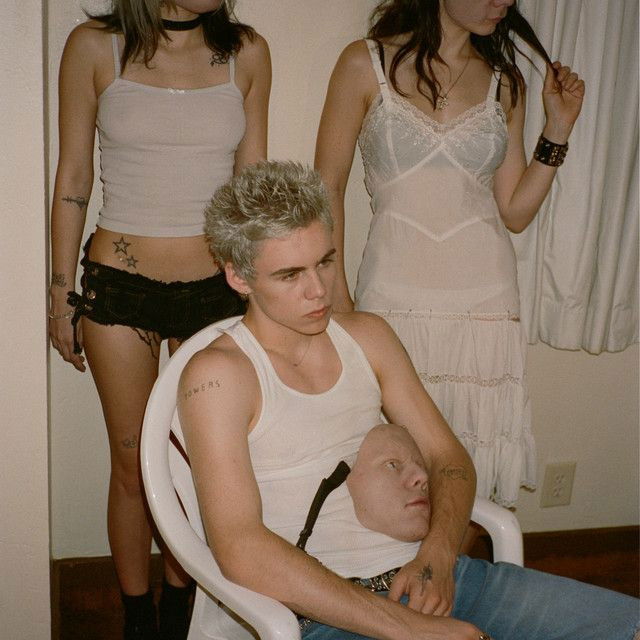
BLEED by The Kid LAROI
Heartbreak lives in the gap between how fast two people heal. That’s the tension at the center of The Kid LAROI’s “BLEED,” a late-night confession where one person has moved on and the other can’t stop replaying what happened.
"BLEED" - The Kid LAROI
Mine still bleeds
Hard to believe you don't need me
Loading lyrics...
Unable to load lyrics
We're unable to display the lyrics at this time. Please try again later.
Why This Hook Hurts: The Core Meaning
At its heart, the meaning of BLEED The Kid LAROI is about uneven recovery after a breakup. The narrator keeps circling the same question—How did your heart mend so easy?
—because their own wound won’t close. When they add Mine still bleeds
, it isn’t just graphic; it’s literalized emotion. The pain is active, ongoing, and unfair in how it’s distributed.
Interpretation: The chorus becomes a mirror for anyone stuck watching an ex move forward. It’s not jealousy so much as shock. They can’t reconcile shared memories with the speed of the other person’s detachment.
A Voice Stuck Between Memory and Reality
The song is told in first person, addressed to an ex. The room still holds The ghost of you
, blurring past and present. That image isn’t horror; it’s lingering presence—scent, habits, playlists, the shape of a routine that now feels empty.
They also focus on the promise-breaking. The repeated idea of being let down shifts blame outward, capturing the anger that often follows grief. It’s not just sadness; it’s a breach of trust that won’t stop echoing.
From Pillows to Pickups: A Simple Story, Sharply Told
Here’s the narrative in clear beats:
- The nights are the worst. They lie in
this bed we made for two
, now sleeping alone. - They imagine the ex with someone new and try to wish them well, but the thought stings.
- A practical moment lands like a punch:
your mom drop my clothes
. That tiny detail shows the breakup’s cold logistics—and how quickly the other side moved on. - They remember promises and feel abandoned:
you let me down
becomes a refrain within the verses.
Interpretation: The mundane (bagged clothes) often hurts more than big speeches. It proves the relationship has shifted from intimacy to errands.
The Chorus as Open Wound
The refrain pairs a direct question with a bodily metaphor. By repeating Mine still bleeds
, LAROI turns private hurt into a hook that loops like a thought spiral. Interpretation: The chorus isn’t asking for answers; it’s performing the obsessive thinking that defines heartbreak.
Symbols That Sting and What They Signal
- Ghosts: Memory that refuses to fade—grief’s presence in familiar spaces.
- Bed for two: Shared intimacy that now feels ironic and empty.
- Clothes handoff via a parent: A frozen, impersonal ending; no closure.
- Broken promises: Shattered trust, which often takes longer to heal than romance itself.
- Bleeding: An injury still fresh; healing is not linear, and not mutual.
How the Sound Makes the Story Bleed
The production leans intimate and modern. A moody guitar figure and ambient pads set a nocturnal tone, while crisp drums and 808s give the confessional weight. LAROI’s vocal is up-front and slightly raw, with harmonies swelling in the hook to dramatize the plea.
Interpretation: The contrast between soft textures and punchy percussion mirrors the lyric tension—tender memories versus hard reality. When the chorus lifts, it doesn’t resolve; it intensifies, like blood rushing faster under stress.
Artist Context That Shapes the Read
The Kid LAROI has built a lane on emotionally candid pop, often blending rap cadences with melodic hooks. Co-writers Billy Walsh, Blake Slatkin, and Omer Fedi share that sensibility, crafting songs where small, concrete images carry heavy feelings. Their presence helps explain why the storytelling here is tight, specific, and radio-ready without losing intimacy.
Alternate Lenses: What Else Could It Mean?
- Interpretation 1: It’s about self-recognition. The ex’s quick recovery forces the narrator to see how dependent they were, turning blame into a mirror.
- Interpretation 2: It’s about time zones of grief. People heal on different clocks; the “ghost” is memory processed at a slower pace, not proof the ex never cared.
Both reads fit because the song balances accusation with vulnerability. The narrator is hurt, but they’re also honest about their fixation.
Takeaway: Why It Sticks
“BLEED” lodges in the mind because it simplifies a complex feeling into one haunting question and a visceral image. For listeners in the United States and beyond, it captures that raw period after a breakup when life goes on for everyone else—but not for you.
Disclaimer: Song meanings are subjective. This reading draws on lyrics, performance, and common themes in LAROI’s work; your interpretation may differ.








