Can We Find ‘Love Again’? LAROI’s Cycle of Hurt
A breakup ballad that turns one hard question into a hook.
"LOVE AGAIN" - The Kid LAROI
Provided by LyricFindCan we go back to how it was?
Before my pride got in between us
Go ahead and hit me where it hurtsLoading...Loading lyrics...
Unable to load lyrics
We're unable to display the lyrics at this time. Please try again later.
The second chance that still stings
The meaning of LOVE AGAIN The Kid LAROI centers on a simple, uneasy hope: can two people who hurt each other make it work if they actually talk it out? Across a tight, 2:26 run time, LAROI frames regret and longing as a loop he can’t escape. He asks, with a wince, Can we find love again?
and immediately doubts himself with Is this time the end?
.
Interpretation: The song suggests that growth may require accountability first. He admits pride got in the way and looks for pain as proof he’s still alive. It’s not just nostalgia; it’s a test of whether the relationship can survive honest self-checks.
Watch the official LOVE AGAIN
music video
Who’s speaking, who’s listening
The narrator is first-person, talking directly to an ex after a blowup. The conflict is mutual and messy. Phrases like Screaming in my face
and Kicked me out your place
show a back-and-forth spiral, not a one-sided sob story.
Interpretation: By owning that pride “got in between us,” he positions himself as both hurt and responsible. The plea isn’t grand; it’s conversational, almost a voicemail asking for one more shot.
What actually happens (a quick timeline)
- A fight explodes; he’s thrown out and left stranded.
- He spirals into rash behavior and admits,
I crashed my car into a wall
. - Sirens and consequences follow, while he bites his tongue and internalizes blame.
- He recognizes self-sabotage with
Worst enemy is my best friend
. - He waits for one message—“Can we talk?”—that could restart everything.
Interpretation: The car crash works as both a literal screwup and a metaphor for impact—how arguments leave dents you can’t buff out.
Why the hook lands like a bruise
The chorus is built on questions. Instead of declaring love, he interrogates it. Is this time the end?
turns a pop hook into a fear loop, which mirrors the on-and-off history he hints at. Interpretation: By avoiding certainty, the hook captures the feeling of waiting for a text that might change the week—or confirm it’s really over.
Symbols you can see and hear
- Pride: the invisible wall between them. It’s the first obstacle he names.
- War imagery: “we went to war” frames the relationship as a battlefield—wins feel like losses.
- Police lights: the blue-and-red aftermath suggests real-world consequences for emotional chaos.
- Self-foe:
Worst enemy is my best friend
personifies the instinct to ruin what he wants. - Tears as tally marks: the chorus counts pain as proof of devotion, questioning how much is enough.
Sound and production that match the ache
LOVE AGAIN leans on strummed acoustic guitar and fuzzed, blurry textures that make the vocal feel close but unstable. That contrast—clean strums against hazy pads—fits the emotional split between clarity (he wants to try again) and confusion (he doesn’t know if he should).
The track was written by The Kid LAROI (Charlton Howard), Billy Walsh, Cirkut (Henry Walter), and Omer Fedi. Cirkut and Fedi produced, with Serban Ghenea mixing. The result is lean pop architecture: a short verse, a hook that returns quickly, and dynamics that swell on the questions. It’s radio-ready but diaristic, similar in spirit to LAROI’s earlier acoustic-driven heartbreak songs.
Context that sharpens the picture
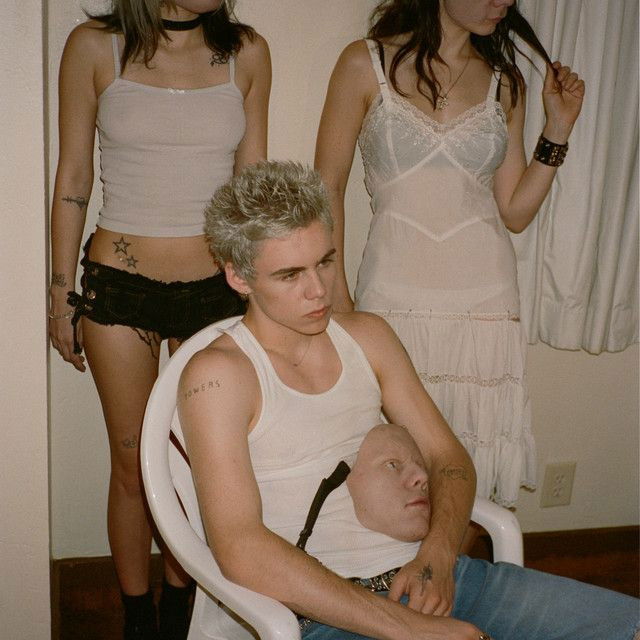
Released January 27, 2023, as the lead single from his debut album, The First Time, the song extended his run of breakup anthems. It later landed in a Fortnite experience and arrived with a striking video where LAROI dates a lifelike mannequin. That visual underlines themes of isolation, control, and the risks of projecting feelings onto someone who can’t answer back.
Commercially, it reached #40 on the Billboard Hot 100 and notched multiple nominations in Australia, signaling both mainstream reach and industry respect. Those markers matter here because the song’s minimalism—few words, big feeling—still cut through a crowded pop field.
Alternate readings worth considering
- Interpretation: The song could be about addiction to the cycle itself—fights, breakups, makeup highs—where the plea for love is really a plea for familiar drama.
- Interpretation: It can also play as a mental health check-in. When he says pain at least lets him “feel something,” he hints that numbness is scarier than heartbreak.
Takeaway: a fragile yes to trying
LOVE AGAIN doesn’t promise a happy ending. It draws a small circle around one hard ask: talk to me, and maybe we can fix this. That mix of ownership, caution, and hope is why the questions linger after the last chord.
Disclaimer: Song meanings are subjective. This interpretation blends lyrical analysis with publicly available context about the release, credits, and reception.








