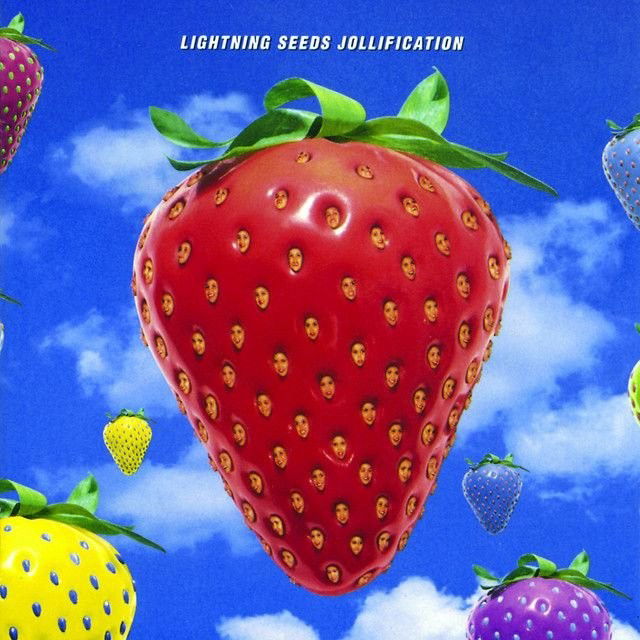
Why 'Lucky You' Feels Sweet and Sad
The meaning of Lucky You The Lightning Seeds lies in a clever emotional split. The song sounds bright, catchy, and easy to live with. But under that polished pop surface, it tells a story about dishonesty, distance, and the hard work of trying to reach someone who may not want to be reached.
"Lucky You" - The Lightning Seeds
You say you don't but then you do
I'm trying again
Loading lyrics...
Unable to load lyrics
We're unable to display the lyrics at this time. Please try again later.
Written by Ian Broudie and Terry Hall, the song carries traits both writers were known for: melodic clarity, emotional tension, and a cool, understated way of expressing hurt. Interpretation: rather than attacking the other person, the lyric watches them closely and asks why they keep choosing illusion over truth.
A Pop Song About Denial, Not Good Fortune
At first glance, the title sounds cheerful. The repeated line oh lucky you
could look like praise. In context, though, it feels much more complicated.
The verses describe a person who keeps avoiding honesty. The opening idea, summed up in you're lying again
, sets the tone right away. The singer is not confused about what is happening. They know the other person keeps saying one thing and doing another.
That is why the title likely carries irony. Interpretation: “lucky” may mean this person gets to drift above consequences, at least for now. They stay protected by self-deception while the speaker has to deal with the emotional mess.

Watch the official Lucky You
music video
The Relationship at the Center
The song works because it feels intimate without giving too many specifics. It could be about lovers, close friends, or even a broader emotional bond where one person keeps trying to break through another person’s defenses.
One key image is the effort to build a barrier and then break through it. That suggests a cycle of protection and longing. The singer wants distance because they are hurt, but they also still care enough to keep trying.
Another telling phrase is tell the truth
. The request is simple, but the song shows how hard that can be. This is not just about facts. It is about emotional honesty—admitting fear, confusion, or disappointment.
How the Verses Move From Dream to Reality
The second verse widens the picture. Instead of focusing only on lies, it turns to ambition and fantasy. The other person is described as chasing the moon
and trying to reach beyond what is real.
That image matters because it softens the song. This person is not only deceptive; they may also be dreamy, restless, and unable to accept ordinary limits. Interpretation: the problem may be less cruelty than escape. They want a beautiful version of life, but they “land too soon,” meaning reality keeps catching up.
The final verse pushes hardest toward truth. The rain image is especially important. The line about rain falling on every roof suggests that pain, consequence, and reality reach everyone eventually. No one stays untouched forever.
Why the Chorus Sounds So Open
The chorus is the song’s emotional puzzle. The phrase everything's blue now
can be heard in more than one way.
On one level, blue suggests sadness. If so, the chorus is admitting that the whole relationship has turned dim and heavy. On another level, blue can feel dreamy, cool, and almost pretty. That matches the song’s tone: pain wrapped in beauty.
Then comes the line about there being “nothing to lose.” Interpretation: this could mean the other person feels free because they have stopped facing reality. Or it could mean the speaker is challenging them to change now, before things get worse.
The Sound Helps Explain the Meaning
The Lightning Seeds built their reputation on polished British pop, centered on Ian Broudie’s songwriting and studio craft. Their music often paired sunny melodies with melancholy edges, a contrast noted in coverage of the band and Broudie’s career in sources like AllMusic and Britannica.
That contrast matters here. The melody keeps the song moving lightly, almost breezily. But the lyric keeps pulling toward conflict and disappointment. The result is classic bittersweet pop: the track feels listenable and warm even as it describes emotional strain.
Interpretation: that production choice mirrors the song’s message. Just as the other person hides from reality, the music itself hides hurt inside something bright and attractive.
Broudie, Hall, and the Song’s Tone
Ian Broudie and Terry Hall are a strong pairing for this kind of material. Broudie often wrote songs with emotional openness, while Hall was famous for cool understatement and subtle pain in his writing and delivery, as reflected in biographies and retrospectives from The Guardian and BBC.
That mix helps explain why “Lucky You” never becomes melodramatic. The singer sounds wounded, but controlled. They are not shouting. They are observing, pushing, and hoping.
More Than One Valid Reading
There are at least two strong ways to read the song:
- Interpretation 1: A relationship in crisis. One person lies, dreams, and avoids hard truths, while the other keeps trying to save the bond.
- Interpretation 2: A portrait of self-deception. The “you” may represent someone using fantasy to escape sadness, making the song less accusatory and more tragic.
Both readings fit the lyrics. That flexibility is part of why the song lasts.
What Stays With Listeners
The meaning of Lucky You The Lightning Seeds is not that luck solves pain. It is almost the opposite. The song suggests that seeming carefree can hide confusion, avoidance, and emotional fallout.
What makes it memorable is the balance. They turn disappointment into something melodic, gentle, and human. The song does not just expose someone’s false front. It also shows how hard it is to stop caring about them.
Disclaimer: This article offers an informed interpretation of the song based on its lyrics, musical style, and available artist context. Like many pop songs, “Lucky You” can support more than one meaning.







