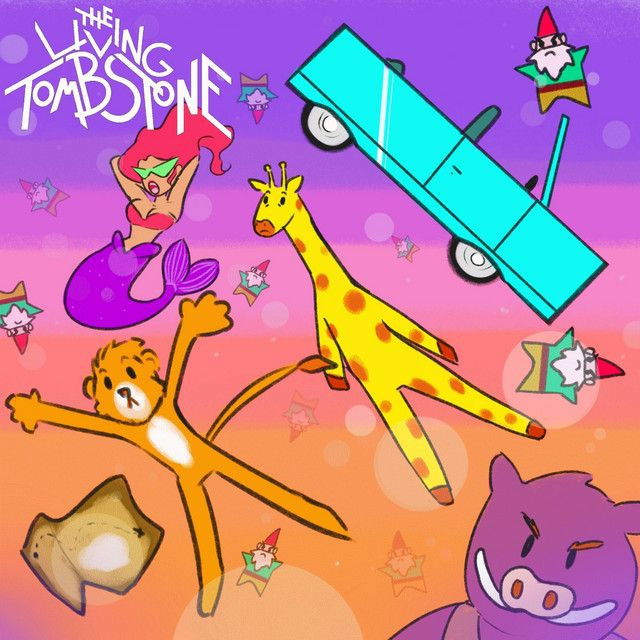
Why "My Ordinary Life" Feels So Empty
The meaning of My Ordinary Life The Living Tombstone comes from a smart contradiction: the song acts like a victory lap, but it feels like a breakdown. The voice sounds rich, praised, and untouchable. At the same time, they seem numb, isolated, and unsure whether any of it is real.
"My Ordinary Life" - The Living Tombstone
じゃんけんぽん!
They tell me keep it simple, I tell them take it slow
Loading lyrics...
Unable to load lyrics
We're unable to display the lyrics at this time. Please try again later.
According to The Living Tombstone’s fan-documented song history, the track was released in 2017 as an original song rather than a media tie-in, and its title and Japanese opening were inspired by the anime Nichijou.[https://the-living-tombstone.fandom.com/wiki/My_Ordinary_Life] That matters because Nichijou means everyday life. The title turns ironic fast: this “ordinary life” is anything but normal.
The Big Idea Hiding Behind the Swagger
On first listen, the verses sound boastful. The speaker talks about money, status, and creative power. They answer criticism with confidence and treat doubters like background noise.
But that confidence keeps cracking. Beneath the bragging is someone using success to protect a fragile self-image. Interpretation: the song is less about enjoying fame than surviving it. Their public face says they are winning; their private thoughts say they are drifting.
That reading is strongly supported by songwriter Sam Haft’s own description of the track. In a Reddit AMA, he said they wanted a song that sounded like bragging but was actually “a super miserable cry for help.”[https://www.reddit.com/r/Music/comments/ixsnx3/youve_probably_heard_our_music_in_a_meme_and_we/g68u54h/]
Watch the official My Ordinary Life
music video
Verses Built on Performance and Pressure
The first verse presents a person who can turn ideas into profit and criticism into fuel. Phrases like take it slow
and money talks
show how they answer judgment with cool detachment. They sound in control.
Still, the details hint at imbalance. The images of substances, speed, and wealth suggest overstimulation rather than peace. They are not just working hard; they are racing to stay ahead of doubt.
In the second verse, the mask slips more clearly. The speaker says people flatter them, excuse their dishonesty, and place them above everyone else. Instead of enjoying that attention, they seem disturbed by it. The line about being lost in the facade
is the clearest sign that identity has become a performance.
The Chorus Turns Success Into Numbness
The chorus is where the song’s real pain comes forward. Rather than celebrating fame, it describes emotional shutdown. The speaker is passive while life moves around them, dressed well but disconnected from their body and fear.
Stayin' still, eyes closed
Let the world just pass me by
Those lines are simple, but they change the whole song. Interpretation: success has become anesthesia. The speaker is no longer fighting for approval; they are floating above reality.
Other phrases deepen that feeling. Touch me, Midas
turns the myth of gold into a curse. Everything may become valuable, but human contact disappears. And when they say I feel fear for the very last time
, that can sound triumphant at first. More likely, it points to numbness so deep that even fear is gone.
Identity, Fame, and the Cost of Being Untouchable
One of the smartest ideas in the song appears in the later pre-chorus: becoming “untouchable” means being unable to touch. In plain terms, power creates distance. The speaker is admired, but they cannot connect.
That is the emotional center of the meaning of My Ordinary Life The Living Tombstone. Praise does not heal them. It blurs the difference between the real self and the public self. They begin to wonder if the crowd loves them, the image of them, or just what they provide.
This makes the song feel modern. It captures a pressure common in internet culture and celebrity culture alike: once a person becomes a brand, every success can make them less human.
How the Sound Reinforces the Lyrics
The production helps sell both sides of the song. The beat is sleek, punchy, and catchy, which matches the speaker’s flashy persona. The hook is bright and memorable, almost playful.
Yet that shine is exactly what makes the message darker. The polished electronic sound wraps distress in pop pleasure. The listener can dance to it while missing how sad it is, which mirrors the song’s own theme of hiding pain inside performance.
The Japanese sample at the beginning also matters. The song page notes that the intro audio comes from Nichijou.[https://the-living-tombstone.fandom.com/wiki/My_Ordinary_Life] That cheerful, animated opening creates a jolt when the lyrics turn inward. It frames the whole track as a twisted version of normal life: cute on the surface, chaotic underneath.
A Reasonable Alternate Reading
There is another fair interpretation. Interpretation: the song can also be heard as a portrait of burnout or substance-shaped dissociation, not just fame. References to pills, sleeplessness, floating, and losing touch all support that.
Even so, both readings lead to the same ending. The speaker has climbed so high that they no longer feel grounded. Whether the cause is celebrity, ego, addiction, or mental strain, the result is the same: a life that looks glamorous and feels empty.
Why the Song Still Connects
Part of the song’s staying power is its double meaning. It works as a catchy flex anthem, but it rewards closer listening with something sadder and sharper. They built a track where confidence and collapse happen at once.
That is why the meaning of My Ordinary Life The Living Tombstone still resonates. It says that applause can hide pain, luxury can cover loneliness, and being admired can make a person feel unreal.
Disclaimer: This article offers interpretation based on the lyrics, publicly available song background, and creator comments. Like most songs, My Ordinary Life can support more than one valid reading.









