Why 'Can't You See' Still Hurts So Much
The meaning of Can't You See The Marshall Tucker Band starts with a simple feeling: heartbreak so deep that staying put feels impossible. The song does not tell a complicated story. Instead, it turns pain into motion, with trains, mountains, distance, and the wish to disappear.
"Can't You See" - The Marshall Tucker Band
I don't care where it goes
Gonna climb a mountain, the highest mountain
Loading lyrics...
Unable to load lyrics
We're unable to display the lyrics at this time. Please try again later.
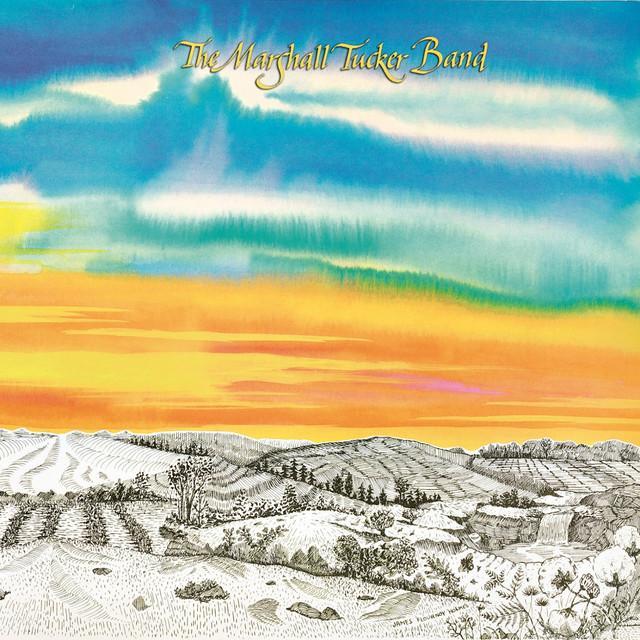
Written by Toy Caldwell for The Marshall Tucker Band’s 1973 self-titled debut and produced by Paul Hornsby, the track helped define the group’s blend of Southern rock and country rock. It also became one of their signature songs, especially through its later live life. Factually, the song was written by Caldwell, featured on the band’s debut album, and is known for Jerry Eubanks’ flute part and Caldwell’s finger-plucked electric guitar style.
A Breakup Song That Thinks Like a Getaway
At the most basic level, the narrator is devastated by a woman who has left him emotionally wrecked. The chorus keeps returning to the cry Can't you see
, which works less like a question and more like a plea. He wants someone—maybe the woman, maybe the world—to recognize the damage.
Interpretation: The song is not just about lost love. It is about the first wild stage of grief, when a person swings between escape, self-pity, anger, and numbness. That is why the verses keep moving from one extreme image to another.
He imagines boarding a train, climbing away from civilization, and hiding from everyone. Those images do not sound calm or healed. They sound like a man whose inner life has shattered, and who can only think in terms of leaving.

Watch the official Can't You See
music video
The Narrator’s Voice: Raw, Wounded, and Unfiltered
This song uses a first-person voice, but its emotional effect comes from how direct that voice is. He does not explain the relationship in detail. He just gives the result: he has been undone.
When he says freight train
and later dreams of going as far as I can
, the point is not travel for adventure. It is emotional exile. He wants distance because distance feels easier than memory.
That same pattern appears in the bleak line about finding a hole in the wall
. Paraphrased, he pictures vanishing into isolation rather than facing the hurt. The song uses dramatic language, but that drama feels true to the logic of heartbreak, where every feeling can seem final.
How the Verses Build the Story
The narrative is loose, but it still moves in a clear emotional order:
- First, he wants to run without even caring where he ends up.
- Next, his pain turns inward and darker, suggesting emotional collapse.
- Then he imagines a one-way ticket and a southbound ride that never circles back.
That progression matters. The song begins with movement, sinks into despair, then returns to movement again. In other words, escape becomes his survival plan.
Ride me a southbound
'Til the train run out of track
Those lines capture the song’s central fantasy: keep going until the world physically runs out. Interpretation: He is not really searching for a destination. He is searching for the edge of pain.
Why the Chorus Hits So Hard
The chorus is unforgettable because it is so plain. Instead of using clever detail, it repeats one emotional fact: this woman has changed him for the worse. The repeated cry what that woman
has been doing to him makes the song communal too. Listeners can step into that hurt without needing the backstory.
This is one reason the song has lasted. Many breakup songs explain too much. This one leaves enough open space for the audience to fill in their own history.
The Sound Turns Pain Into a Landscape
A big part of the song’s meaning comes from its arrangement. Jerry Eubanks’ flute intro and outro are unusual for Southern rock, and they matter because they add a lonely, drifting quality. Instead of sounding hard and boxed in, the song feels wide-open.
Caldwell’s guitar part adds to that effect. His plucked style gives the riff a rolling, human pulse rather than a sharp attack. Combined with the steady groove, the song feels like wheels turning on rails.
Contemporary coverage noted how the track keeps building rather than exploding all at once. That gradual rise matches the lyric perfectly: heartbreak here is not a single outburst. It is a wave that keeps coming back.
Artist Context Makes the Emotion Stronger
Toy Caldwell wrote the song, and he also sang the original lead vocal. That is significant because his delivery sounds less polished than theatrical; it feels lived-in. According to Songfacts, fellow band member Doug Gray reportedly told Caldwell he should sing it himself, which helped preserve that rough intimacy.
The original single was not a huge chart smash at first, but the song grew through touring and live performance. A live version later reached the Billboard Hot 100, and the song became a long-running rock-radio staple. That history fits the music: this is the kind of track that grows by being felt, not just consumed once.
One Last Reading of the Song
Interpretation: There are two strong ways to hear this song.
- One reading is literal: a man has been left, and he is falling apart.
- Another is broader: the woman represents any force that has broken his sense of stability, and the train becomes a symbol of pure escape.
Either way, the heart of the song stays the same. It captures the moment when pain is too big for ordinary language, so the mind starts dreaming in roads, rails, and disappearance.
Why It Still Connects
The lasting power of the meaning of Can't You See The Marshall Tucker Band comes from that mix of simplicity and intensity. It sounds huge, but the feeling is familiar. Almost everyone understands the urge to leave town, go silent, or outrun a memory.
That is why the song still lands decades later. It does not offer wisdom. It offers recognition.
Disclaimer: This interpretation separates documented facts about the song from critical reading of its lyrics and emotional themes. Meaning can vary from listener to listener.








