Why 'Devil's Night Out' Feels So Alive
The meaning of Devil's Night Out The Mighty Mighty Bosstones starts with a simple idea: this is a song about the thrill of a scene that feels too loud, too hot, and too unruly to control. On the surface, it tells a story about the Devil showing up at a club and pushing the night into chaos. Under that story, though, the band seems more interested in the energy of live music and underground culture than in anything supernatural.
"Devil's Night Out" - The Mighty Mighty Bosstones
Now he's back and I'm glad he's here
Three long years, millions of beers
Loading lyrics...
Unable to load lyrics
We're unable to display the lyrics at this time. Please try again later.
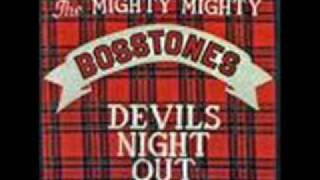
The Mighty Mighty Bosstones formed in Boston in 1983 and became key early builders of ska-core, mixing ska rhythms with hardcore punk force. Their debut album Devil's Night Out arrived in 1989 on Taang! Records, produced by Paul Q. Kolderie, and helped define that hybrid sound, according to the research summary provided from Wikipedia.
The Devil as a Party Symbol, Not a Sermon
The song opens like someone telling a legendary story from the best kind of bad night. They remember the scene clearly, and the return of the Devil is treated almost like the return of a local hero. When the lyric frames him as back in his familiar place, the point is less evil than reputation.
Interpretation: the Devil here symbolizes the most reckless spirit in the room. He is the embodiment of excess, noise, swagger, and appetite. Details like wing tip shoes
and a pork pie hat
make him stylish, not monstrous.
That matters because the song does not present fear. It presents admiration mixed with comic exaggeration. Even before things spiral, the Devil is already part of the club's mythology.
Watch the official Devil's Night Out
music video
A Short Story of Escalation
The lyrics move in a clean sequence, and that helps explain why the song is so memorable.
- The speaker recognizes a famous figure returning.
- The Devil settles into the club as if he belongs there.
- The band gets louder and hotter.
- The whole room tips from celebration into near-destruction.
That middle section is key to the meaning of Devil's Night Out The Mighty Mighty Bosstones. The Devil reacts to the music, and the music reacts back. The line about the band ripping like demons
connects performer and audience in the same feverish mood.
Turn On The Heat!
Burn this place down!
Those lines are not just plot points. They raise the emotional stakes. Interpretation: they suggest that once the right song hits, a crowd can feel larger than itself, almost dangerous in its joy.
The Club Is the Real Main Character
Even though the Devil gets the title role, the club scene may be the real subject. The lyrics are packed with social detail: drinks, seats, style, noise, and public performance. The song makes the venue feel like a sacred place for outsiders who want release.
When the singer says the Devil was drinkin' and dancin'
, the image is less about sin than participation. He is not above the crowd. He is one of them, just turned up to maximum volume.
That helps explain the song's humor. The threat is cartoonish, but the excitement is real. The Bosstones are turning club culture into myth.
Why the Last Verse Gets Meaner
The ending suddenly shifts from the Devil's arrival to mocking people who could not hang with this lifestyle. The speaker sneers at those who do not recognize real danger, cannot drink hard, and do not know how to rock.
Interpretation: this is a gatekeeping moment, but it also reveals the band's early identity. The song draws a line between insiders and outsiders. If someone cannot understand the scene's codes, they do not belong in the room.
That fits the Bosstones' position in the late 1980s. Their debut came at a time when U.S. ska was still underground, and their style sat awkwardly between worlds. The research summary notes that the album drew mixed reactions from ska purists and hardcore fans alike. In that context, the song's attitude sounds like a defense of their scene: loud, rough, funny, and unapologetic.
How the Music Carries the Meaning
The sound is crucial to the song's message. The Bosstones built their identity by fusing upbeat ska bounce with hardcore aggression, a combination that later helped shape third-wave ska, according to the research summary. That blend makes this song feel unstable in the best way.
The horns give it swagger and movement. The guitar and rhythm section add force and friction. Dicky Barrett's vocal style sounds half-shouted, half-grinned, which keeps the song playful even when the imagery gets destructive.
Interpretation: the production makes the club feel physically hotter. The lyrics say the room is overheating, but the arrangement lets listeners feel that pressure. The song swings, stomps, and surges all at once.
The Bigger Meaning in Bosstones History
As the title track of the band's 1989 debut, "Devil's Night Out" works like an introduction to everything the Bosstones would become. It shows their love of performance, their taste for mischief, and their instinct for blending toughness with fun.
It also points to a core tension in their appeal. The Bosstones were never trying to be neat traditionalists. They were messy on purpose. This track celebrates the moment when music stops being polite entertainment and becomes a force that takes over a room.
So, the meaning of Devil's Night Out The Mighty Mighty Bosstones is not really about the Devil at all. It is about the joy of surrendering to a scene that feels dangerous, communal, and alive. The Devil is just the perfect mascot for that feeling.
Final Take Under the Plaid
The song endures because it turns underground nightlife into folklore. It is funny, aggressive, and vivid without losing its sense of fun. Interpretation: by making the Devil a stylish fan of the band, the Bosstones celebrate the kind of music that feels a little too intense for polite company.
That reading is an interpretation, not a confirmed statement of intent. Like many high-energy rock and ska songs, its meaning comes from the mix of lyrics, sound, and scene as much as any single line.








