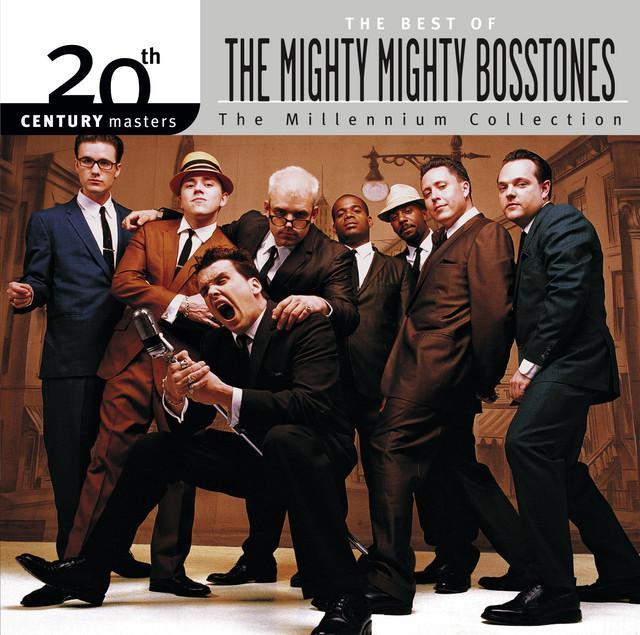
Why 'The Rascal King' Loves and Doubts Power
The meaning of The Rascal King The Mighty Mighty Bosstones comes down to one big idea: people often admire bold, messy leaders even when they know those leaders are flawed. The song turns that contradiction into a fast, catchy character study.
"The Rascal King" - The Mighty Mighty Bosstones
Drew inspiration from a need
So many problems to crack
Loading lyrics...
Unable to load lyrics
We're unable to display the lyrics at this time. Please try again later.
Released in 1997 as the second single from Let's Face It, the track followed the band’s major breakthrough and reached No. 7 on Billboard’s Modern Rock Tracks chart. It was also inspired by James Michael Curley, the famous Boston mayor and Massachusetts governor whose public image mixed populism, scandal, and swagger (Wikipedia). That real-world context matters, because the song is less about one private person than about a public legend.
A Folk Hero with Dirty Hands
At its core, the song describes someone built by hardship and ambition. Early lines show a man pushed forward by need, not comfort. When the lyric mentions fueled by a lack
, it suggests hunger, pressure, and the kind of background that can make a person both driven and dangerous.
The portrait grows quickly. He climbs, speaks well, and wins attention. The phrase could he ever talk
is not just about being chatty; it points to charisma as power. They present him as the kind of figure who can charm a room, dodge blame, and keep moving.
Watch the official The Rascal King
music video
The Song’s Central Tension
What makes the character interesting is that the song never settles on a clean judgment. It asks whether he is a leader, a fraud, or both. When the lyric wonders fact or fiction
, it captures how political myths work. People do not just remember what happened; they remember the story that feels best.
Interpretation: The Bosstones seem less interested in proving guilt than in showing how charisma blurs truth. A powerful figure can become bigger than the record against them.
That is why the song’s most famous question hits so hard:
A hero or a hooligan?
Well, that part's never clear
This is the key to the whole song. It says the public cannot, or will not, agree on what this man really is. He inspires loyalty and suspicion at the same time.
Why the Chorus Matters So Much
The chorus gives the character a stubborn, almost reckless durability. When he says I'd do it again
, the song presents someone who treats punishment less like shame and more like proof of identity. Even the title figure can exist behind the bars
or in front of them, which twists the image of power and prison together.
That idea likely connects to Curley’s reputation and legal troubles, but it also works more broadly. The song suggests that scandal does not always destroy public figures. Sometimes it hardens their legend.
Interpretation: The chorus is not simply cheering him on. It may be exposing how a rogue image can become politically useful. In American culture, especially in city-machine politics, the outlaw pose can look like authenticity.
Verses Full of Contradictions
One of the song’s smartest moves is how it stacks opposites. It places religion near corruption, charm near violence, and pride near shame. The man can win people with a smile, then threaten or exploit them a moment later.
That is why the song keeps circling contradiction instead of resolution. He is generous and self-serving. He is loved and blamed. He is famous enough that, in the end, everyone knows his name, but knowing the name does not mean knowing the truth.
For listeners, this keeps the track alive. It feels political, but not preachy. It feels personal, but also mythic.
How the Sound Carries the Meaning
Musically, "The Rascal King" is a classic Bosstones blend of ska-punk bounce and hard rock punch. The band is widely known for helping push ska-core into the mainstream, and this song shows why. The horns add a parade-like swagger, while the guitars and drums keep everything urgent and rough.
That mix matters to the meaning. The upbeat groove makes the character sound exciting, almost celebratory. But the aggressive edge stops the song from becoming pure tribute. The arrangement feels like a rally and a warning at once.
Dicky Barrett’s gravelly delivery helps too. They do not sing this story with clean distance. The vocal sounds streetwise, amused, and skeptical, which fits a song about a man who is impossible to admire safely.
According to available release data, the song was produced by Sean Slade, Paul Q. Kolderie, and the band, and it appeared on Let's Face It in 1997 (Wikipedia). That polished-but-rowdy sound helped the track work on rock radio without losing the band’s hometown grit.
A Boston Story with a Bigger Message
Because the song was inspired by Curley, it carries strong Boston flavor. Curley was one of those larger-than-life local figures who can seem noble to supporters and corrupt to critics. The song taps that city-political tradition, where class loyalty, resentment, and performance all mix together.
But the meaning goes beyond Boston. The track speaks to a wider American habit: turning complicated leaders into folk heroes. Voters may forgive a lot if someone seems tough, entertaining, or "for the people."
Final Take on the Meaning
The meaning of The Rascal King The Mighty Mighty Bosstones is not that corruption is good or that rebellion is always noble. It is that public charisma can scramble moral judgment. The song shows how a flawed leader can become unforgettable because people project hope, anger, and identity onto him.
In the end, that is why the song still works. It is catchy enough to feel like an anthem, but sharp enough to question the very kind of person an anthem might celebrate.
Disclaimer: This interpretation separates confirmed background facts from critical reading. As with many songs, some meaning remains open to listener interpretation.







