
Why 'Roadrunner' Turns the Highway Into Joy
The meaning of Roadrunner The Modern Lovers starts with a very simple idea: a person is driving at night, the radio is on, and the world suddenly feels bigger, brighter, and less lonely. What makes the song special is how Jonathan Richman turns that ordinary scene into a full emotional universe.
"Roadrunner" - The Modern Lovers
Roadrunner, roadrunner
Going faster miles an hour
Loading lyrics...
Unable to load lyrics
We're unable to display the lyrics at this time. Please try again later.
Written by Richman and first recorded by The Modern Lovers in 1972, the song was produced in its best-known early form by John Cale of the Velvet Underground. It later appeared on The Modern Lovers and became a UK hit, reaching No. 11 in 1977, according to the research summarized by Songfacts and Wikipedia.
A Love Song to Motion and Place
At heart, “Roadrunner” is an ode to movement. The singer is not chasing a dramatic story or a heartbreak plot. They are chasing a feeling. The repeated image of the car rolling through Massachusetts gives the song its pulse, while the refrain around the radio turns driving into emotional survival.
When the lyric says radio on
, it does more than describe background music. It suggests company. The song makes clear that sound helps keep loneliness away at night. In plain terms, the driver feels steadier, safer, and more alive when rock and roll fills the car.
Just as important, Richman fills the song with local details: Route 128, the Turnpike, the Stop & Shop, neon signs, factories, suburban trees. Those details make the song feel rooted in a real place rather than some vague rock fantasy. Richman later described the song as an ode to Massachusetts Route 128, as noted by Wikipedia.
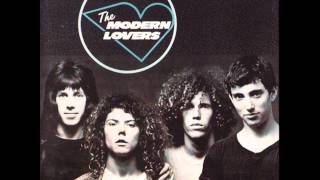
Watch the official Roadrunner
music video
The Real Subject Is Modern Wonder
One reason the song lasts is that it finds beauty in things many people ignore. Instead of mountains or beaches, it celebrates highways, shopping centers, signs, and radio towers. That choice matters.
Everyday America, Seen Differently
In the lyrics, phrases like modern moonlight
and modern rock & roll
show a person thrilled by the present tense. They do not reject modern life as cold or ugly. They embrace it. The suburbs, roads, and commercial lights become almost sacred.
Interpretation: the song argues that wonder is not only found in grand places. It can appear in parking lots, on night roads, or in the glow of a store sign if someone is open enough to see it.
That reading matches a memory quoted in the research, where former bandmate John Felice recalled Richman becoming emotional while driving near the flashing towers around Boston. The key insight is simple: he saw beauty where others did not.
Loneliness Hiding Inside the Engine Noise
For all its excitement, “Roadrunner” also carries a little ache. The singer keeps returning to the idea that the radio helps them avoid feeling alone. That line gives the song its emotional depth.
The road is freedom, but it is also emptiness. Night driving can feel thrilling because it opens space; it can also feel isolating because there is no one else in the car. Richman holds both truths at once.
It helps me from being alone
late at night
That brief moment is the clearest emotional key in the song. The music does not stop being joyful, but listeners suddenly understand why the joy matters so much. It is not just fun. It is protection against isolation.
Why the Sound Feels So Powerful
The production is central to the meaning of Roadrunner The Modern Lovers. According to Songfacts, the song is a two-chord garage-rock anthem, and Wikipedia notes its strong connection to the Velvet Underground’s “Sister Ray.” That influence can be heard in the steady, almost trance-like rhythm.
Two Chords, One Big Rush
Musically, “Roadrunner” is built for momentum. The beat keeps pushing forward, the chords repeat with little decoration, and Richman’s vocal delivery sounds half-spoken, half-cheered. That rawness feels honest. It is less about polished singing than about catching a live thought in motion.
The arrangement also matters because the song is not crowded. It leaves room for repetition to become ecstatic. By the time the singer declares I’m in love with Massachusetts
, the phrase feels larger than geography. It becomes a declaration of belonging.
Players from the early Modern Lovers lineup included Jerry Harrison, later of Talking Heads, and David Robinson, later of the Cars, with John Cale producing the 1972 session, according to Songfacts. That pedigree helps explain why the track feels like a bridge between garage rock, proto-punk, and new wave.
A Proto-Punk Anthem With a Soft Heart
Critics often describe “Roadrunner” as proto-punk, and that label fits its stripped-down attack and repetition. But the song is warmer than many punk landmarks. It is not angry in the usual sense. It is awestruck.
Interpretation: that may be the song’s secret. It has punk energy without punk nihilism. Instead of tearing the world down, it finds a way to love it. Even the line like the roadrunner
turns the bird into a symbol of pure motion: quick, light, free, untouchable.
That mix of innocence and drive is likely why the song influenced so many later artists and remained culturally important for decades. Its reputation as a road-song classic, including recent praise in major rankings cited by the research, comes from how directly it captures a universal feeling: being young, in motion, and briefly certain that the night belongs to you.
The Lasting Meaning of "Roadrunner"
So what is the song really saying? The meaning of Roadrunner The Modern Lovers is that modern life can feel beautiful when music, speed, and place come together. It says a highway can be a love story, a local store can become a landmark, and a radio can keep a person company when nothing else can.
That is why “Roadrunner” still feels fresh. It turns a night drive into a statement of faith: in rock and roll, in Massachusetts, and in the idea that ordinary life can suddenly glow.
Disclaimer: This interpretation blends documented context with critical reading. As with any song, listeners may hear different meanings in the lyrics and sound.







