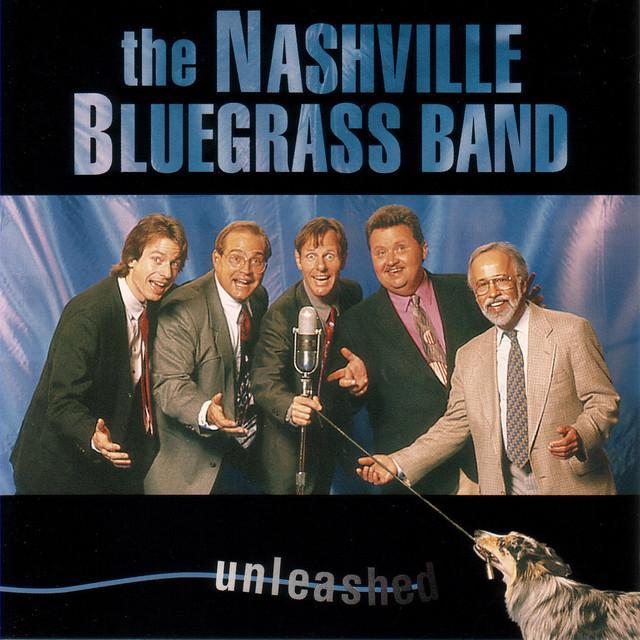
Tear My Stillhouse Down by The Nashville Bluegrass Band
A bluegrass confession with a hard moral edge
The meaning of Tear My Stillhouse Down The Nashville Bluegrass Band starts with a deathbed request, but it quickly opens into something bigger. This is not just a song about moonshine. It is a song about guilt, addiction, family shame, and the wish to stop a destructive cycle before it reaches the next generation.
"Tear My Stillhouse Down" - The Nashville Bluegrass Band
No gold plated sign In a marble pillared room
The one thing that I want when they lay me in the ground
Loading lyrics...
Unable to load lyrics
We're unable to display the lyrics at this time. Please try again later.
The narrator speaks from the edge of death and asks for one final act: tear my still house down
. In plain terms, they do not want a memorial. They want the place of harm destroyed. That turns the song into a confession and a warning at the same time.
Though many listeners know the song through bluegrass and country performances, it was written by Gillian Welch, one of the most respected modern American songwriters. Her work often draws on old rural forms to tell stories about sin, labor, and survival, a background noted on her artist page. That context helps explain why this song sounds traditional while feeling psychologically sharp.

Watch the official Tear My Stillhouse Down
music video
What the story says on the surface
At the most direct level, the narrator made illegal whiskey and believes that life ruined them. They reject funeral honors such as a stone or flowers because they do not think they deserve them. Instead, they ask survivors to erase the place where the damage happened.
The chorus explains why. The stillhouse was not a source of pride or freedom. It was a trap. When the singer says the death of me
, they mean more than physical decline. They also mean moral damage, wasted years, and a life narrowed by one bad calling.
Don't leave no trace
of the hiding place
where I made that evil stuff
That short passage matters because it shows the narrator wants total removal, not a cleaned-up memory. The song treats the stillhouse like a crime scene and a temptation that could outlive them.
From childhood innocence to adult ruin
One of the song's strongest moves is the shift from youth to old age. Early on, the narrator remembers laughing at men who worked the stills. That memory matters because it shows they once saw the danger clearly. They knew this life looked foolish or sad from the outside.
Then the song turns. The singer admits that old mountain shine
pulled them in anyway. This gives the song a tragic shape: they became the very kind of person they once mocked. In story terms, that is where the warning grows sharper. People do not always fall because they are ignorant. Sometimes they fall while knowing better.
Interpretation: This change from child to adult suggests more than individual weakness. It hints at how poverty, local culture, and repeated exposure can make a harmful life feel normal or unavoidable. The song never states that directly, but the backwoods setting and inherited pattern point in that direction.
The spiritual warning at the center
The darkest lines in the song are its religious ones. The narrator says evil lives inside the machine itself, using language that links whiskey-making to damnation. This is stronger than regret. It is a spiritual diagnosis.
When the singer says hell ain't no dream
, they are not making a casual threat. They are telling children, and by extension the community, that consequences are real. In older mountain and gospel-influenced songwriting, sin is often personal and social at once. Here, the stillhouse harms the maker, but it also endangers everyone who learns from that example.
That is why the song's final request is not private. Destroying the stillhouse is meant to protect the living. They do not want the tools, the legend, or the hiding place to become an heirloom.
Why the bluegrass sound matters so much
The Nashville Bluegrass Band were known for tight ensemble playing and a modern respect for traditional forms, as reflected in their Rounder Records profile. That matters here because the arrangement shapes the meaning.
Bluegrass often moves fast, even when the story is grim. In this song, that drive creates tension. The instruments can feel agile and alive while the lyric looks straight at decay and judgment. Fiddle, banjo, mandolin, and acoustic bass do not soften the message; they sharpen it. The bright attack of the band makes the darkness more striking.
Their harmony style also helps. Group vocals can make a confession sound communal, as if one person's downfall belongs to a wider Southern story. Instead of a lone sinner whispering in private, the band setting turns the warning into shared folk memory.
Two strong ways to read the song
There is a plain reading and a wider one.
- Literal reading: The narrator was a moonshiner whose work destroyed their life. They now want the stillhouse demolished so no one else follows them.
- Interpretation: The stillhouse can also stand for any self-made prison: addiction, family legacy, criminal work, or a trade that hollows out the soul.
That second reading is why the song lasts. Most listeners have never run a still, but many understand wanting to tear down the place, habit, or identity that hurt them.
Why the song still hits
The meaning of Tear My Stillhouse Down The Nashville Bluegrass Band endures because it blends old-time imagery with a timeless fear: that a person may leave behind damage instead of wisdom. The song's answer is severe but clear. Do not preserve the source of harm just because it is part of the past.
In the end, the narrator asks for destruction as a final act of care. That is what gives the song its strange dignity. They cannot undo their life, but they can try to stop the pattern from surviving them.
Disclaimer: This interpretation is based on the lyrics, performance context, and available artist information. As with any song, listeners may hear meanings that differ from this reading.








