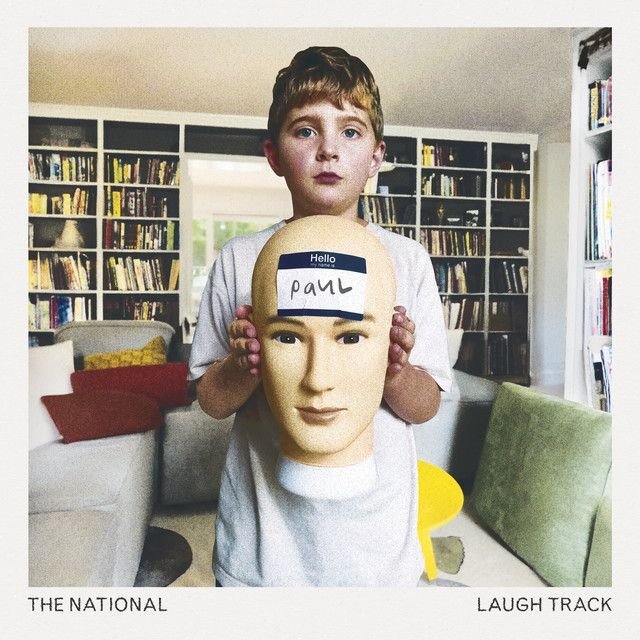
Laugh Track by The National, Phoebe Bridgers
What’s the meaning of Laugh Track The National, Phoebe Bridgers? It’s about two people trying to hold a failing relationship together by pretending it’s fine—like adding canned laughter to a sad scene. The song squares sarcasm with tenderness, and it asks if performance can fix what’s broken.
"Laugh Track" - The National ft. Phoebe Bridgers
Not enough to mention, not enough time
I can't even say what it's about
Loading lyrics...
Unable to load lyrics
We're unable to display the lyrics at this time. Please try again later.
When Jokes Hide the Hurt
The hook proposes a cover-up:
So turn on the laugh track
We’ll see if it changes the scene
That image frames the whole song. They’re not laughing because it’s funny; they’re adding a soundtrack to survive the silence. The idea of a TV-style laugh track suggests public performance—masking pain so outsiders don’t panic.
Who’s Talking, and Why It Stings
The verses speak in first person to a partner, naming disorientation and shame: shreds of doubt
, everyone knows you’re a wreck
. The “you” feels close—someone equally overwhelmed. By the chorus, the voice widens to a shared we, as if both are stuck inside the same gag. That shift hints at a couple moving from blame to a bleak kind of teamwork.
Phoebe Bridgers’ soft harmony changes the chemistry. As the band has said in interviews, she “embodies that weird mix of dread, humor and beauty,” and Matt Berninger has called her voice the song’s gentle edge. Her presence turns snark into something more human, like a hand on the shoulder during a spiral.
What Actually Happens: A Quick Timeline
- Early on, the narrator admits losing control and can’t “say what it’s about.” The fog itself becomes the subject.
- The lights “start dimming,” then go out—an image of momentum stalling.
- The chorus suggests the fix: perform happiness, see if the scene changes.
- The bridge stacks bodily tremors—hands shake, eyes cry, hearts break—like a countdown to collapse.
- The final refrain wonders if the problem wasn’t temporary at all:
maybe we’ve always been like this
.
The motion is downward, but the confession grows clearer. Honesty expands as hope contracts.
What the Chorus Really Says
The refrain isn’t escapism; it’s exposure. By saying your smile is cracking
, the song admits the mask doesn’t fit. Interpretation: the laugh track is a coping mechanism that fails in real time. They know it, we hear it, and that’s where the feeling lives.
Symbols That Do the Heavy Lifting
- The laugh track: performance vs. reality. It signals how couples project stability to friends, family, even themselves.
- Dimming lights: fading connection, the end of a “show.”
- Melting week: time distortion during crisis—days blur when you’re anxious.
- Body checklist: slips, shakes, tears, breaks. The physicalization of dread makes emotion tangible.
- “Heaven came down like a blanket”: a smothering calm—comfort that also covers up.
Each image pairs a softness (blanket, laughter) with a bruise (wreck, break). That tension is classic The National.
How the Sound Says the Same Thing
The track balances steadiness and unraveling. The drums are unfussy and locked-in, the guitars pulse rather than shred, and strings from the London Contemporary Orchestra add ache without melodrama. Bryce Dessner’s orchestration deepens the gloom but leaves air around the voices, so Berninger’s low register and Bridgers’ hush sit like two sides of one thought.
That sonic restraint mirrors the lyrics’ restraint. Instead of exploding, the song holds the feeling at a simmer, which makes lines like shreds of doubt
land harder. It’s the sound of keeping it together while coming apart.
Context That Shapes the Read
The song is the title track of The National’s 2023 album, surprise-released on September 18 after being announced at their Homecoming Festival that weekend. It arrived months after First Two Pages of Frankenstein, a period when Berninger had publicly worked through depression and writer’s block. Knowing that backdrop, the chorus can also read as a meta-joke about performing wellness onstage and in press even when you’re not okay.
Aaron Dessner and Matt Berninger wrote the song; Bridgers had recently collaborated with the band on other 2023 tracks. Those ties matter: when a familiar guest shows up here, it feels like a friend stepping into a hard conversation to soften the edges.
Alternate Readings, Same Ache
- Interpretation: Couple on the brink. The imagery of failing bodies and cracked smiles tracks a breakup’s final hours.
- Interpretation: Mental health spiral. The “laugh track” becomes social media smiles, public composure at work, or even creative output designed to mask a slump.
Both readings are consistent because the song keeps cause blurry and focuses on effect: the performance of okay-ness.
Takeaway You Can Feel
Laugh Track shows how people pretend their way through loss—kindly, even lovingly. The joke is the shield; the tenderness is the truth. Whether it’s about romance, burnout, or both, the mask slips, and what’s left is the most human part: they tried.
Disclaimer: Song meanings are subjective. This interpretation draws on the recording, lyrics, and public context; your read may differ—and that’s part of the art.








