Daddy Issues by The Neighbourhood
They come to this track looking for clarity on a loaded phrase, and instead find a confession. For listeners searching for the meaning of Daddy Issues The Neighbourhood, the song maps how childhood wounds leak into romance, grief, and self-image. It’s tender, a little bleak, and painfully honest.
"Daddy Issues" - The Neighbourhood
I taste you on my tongue
You ask me what I'm thinking about
Loading lyrics...
Unable to load lyrics
We're unable to display the lyrics at this time. Please try again later.
Where Comfort Meets Grief
At its core, the song is about two people who recognize the same wound in each other. He sees a partner who aches for a father’s care, and he offers protection and validation. Then he turns the lens on himself, admitting he carries similar scars.
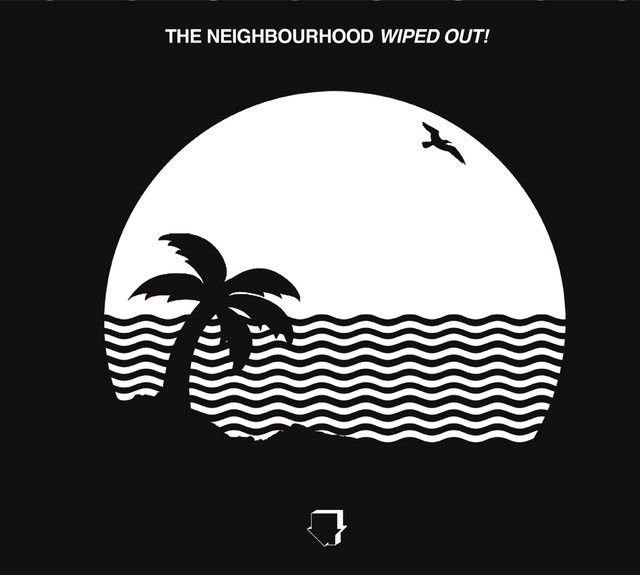
Factually, the band placed this on their 2015 album Wiped Out!, a record colored by frontman Jesse Rutherford’s loss of his father. The album even opens with a long stretch of silence as a tribute. That context matters: the chorus’s caretaking voice sits next to verses haunted by parental death.

Watch the official Daddy Issues
music video
Who’s Talking To Whom?
The narrator speaks to a woman from a place of empathy and desire. He mirrors her mindset with the line whatever you're thinking about
, which suggests a hungry kind of intimacy and a willingness to merge.
But the song later shifts. When he sings Go ahead and cry
to a “little boy,” it’s as if he’s talking to his younger self. The framing moves from caretaker to inner child, showing how comforting someone else can surface one’s own unresolved grief.
What Actually Happens: A Quick Timeline
- Infatuation and obsession: he admits he could
take you like a drug
, equating love with chemical dependence. - Protective fantasy: he promises to
run away and hide
with her, offering escape instead of repair. - Futile gestures: trying to
write your name in the rain
hints at love that can’t hold its shape. - Break and fallout: he tries to move on, but grief resurfaces.
- Childhood voice: he asks where his father went, exposing the root of the ache.
The Hook’s Tough Love
The chorus blends comfort and codependency. He praises her uniqueness and tells her to let herself feel. Interpretation: the repeated reassurance underscores how validation can be loving, but it can also become a way to avoid deeper healing. The promise to fix or flee sounds warm, yet it keeps both of them orbiting old pain instead of confronting it.
Symbols That Do the Heavy Lifting
The drug image turns attachment into dependency. It’s catchy, but it warns that the relationship might be a coping mechanism more than a cure.
Weather imagery matters too. Trying to write your name in the rain
suggests a message fated to erase; following with sun and “shade” hints at how even bright moments cast a darker outline. The constant invitation to cry frames tears as release, not weakness.
Then there’s the gut-punch: half of me has disappeared
. Interpretation: he’s naming how a missing parent splits identity, and how adult relationships can become mirrors for that missing piece.
How the Sound Holds the Story
Musically, it rides a midtempo pulse with gauzy guitars, deep low end, and a roomy vocal. The mix leaves space, like a bedroom confession whispered into a late-night mic. That airiness lets the hook linger; each line feels both close and far, which suits the theme of intimacy haunted by absence.
On Wiped Out!, the band leans into moody, minimalist pop with alt-rock edges. Here, the rhythm is steady and unshowy, as if refusing to distract from the words. The reverb smears the edges, creating a soft haze that feels like memory—imperfect, moving, and hard to escape.
Two Readings That Both Work
Interpretation 1: It’s a caretaker romance. He loves someone with a father wound and tries to be the safe harbor—until the act of rescuing forces him to face his own grief.
Interpretation 2: It’s an inner dialogue. The “girl” and “boy” are facets of the narrator. Comforting another becomes a way of speaking to himself, making space for the child who needed to cry.
Here’s the verse that makes the grief explicit:
I didn't cry when you left at first But now that you're dead, it hurts This time, I gotta know Where did my daddy go?
That switch from partner-aimed comfort to parental loss reframes the whole song. The hook stops sounding like pure romance; it reads like a ritual of self-soothing.
Why It Stuck Culturally
The song grew into a slow-burn favorite, later exploding with a new audience and racking up major streams years after release. That staying power makes sense: its language is simple, but the emotional architecture is layered. People hear their own story in it—whether they’re the comforter, the comforted, or both.
Takeaway
The meaning of Daddy Issues The Neighbourhood lies in a hard truth: love can soothe, but it can’t replace what was lost. The track whispers that healing starts when the tears finally come—and when the past is named, not just escaped.
Disclaimer: This is one interpretation based on the lyrics, artist context, and production choices; listeners may reasonably hear it differently.









