Why 'Synchronicity II' Feels Like a Breakdown
The meaning of Synchronicity II The Police comes down to pressure. The song follows one ordinary man through a miserable home life, a dehumanizing workday, and a numbing commute, while something monstrous rises far away from a Scottish lake. Those two stories never meet in a normal plot sense. That is exactly the point.
"Synchronicity II" - The Police
Grandmother screaming at the wall
We have to shout above the din of our rice crispies
Loading lyrics...
Unable to load lyrics
We're unable to display the lyrics at this time. Please try again later.
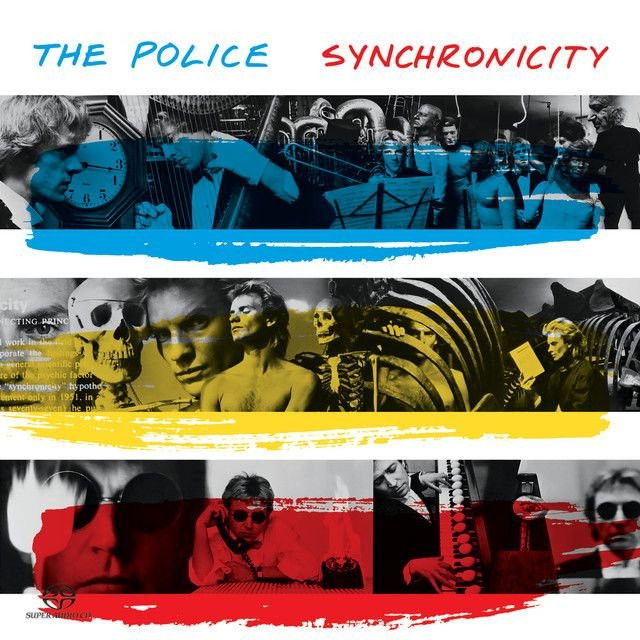
Released as the third single from Synchronicity in 1983, the song was written by Sting and produced by The Police with Hugh Padgham. It reached No. 17 in the UK and No. 16 on the US Billboard Hot 100. Those facts matter because this is not a hidden art-rock deep cut; it was a major single carrying one of the band’s darkest ideas.
The Core Idea Hiding in Plain Sight
At its heart, the song dramatizes Carl Jung’s idea of synchronicity: separate events can feel linked by meaning even if one does not cause the other. Sting explained that the song shows a man nearing paranoia while a monster takes shape in a lake, with the creature symbolizing his anxiety.
That makes the story easier to read. The domestic scenes are not random snapshots. The family is noisy, unhappy, and emotionally broken. The father seems detached, the mother is trapped in resentment, and the house feels spiritually dead. When the lyric describes a suburban family morning
, it is not warm or safe. It feels like a cage.

Watch the official Synchronicity II
music video
A Day in Hell, Told in Three Scenes
The song moves like a short film, and each verse raises the pressure.
Home Is the First Battleground
The opening presents a household where nobody truly connects. Even breakfast has to be shouted over. The phrase litany of boredom and frustration
shows how routine misery has become. This is not one bad day. It is a life that has gone stale.
The father is already emotionally leaving the room. He stares away rather than engaging, which sets up the larger tension: he is absorbing more than he can express.
Work Makes It Worse
The second verse shifts to an industrial landscape. The factory belches filth into the sky
, a vivid image of pollution and moral ugliness. He crosses picket lines without thinking, which suggests numbness rather than cruelty. He is so ground down that he barely reacts to the conflict around him.
His workplace is humiliating too. Meetings are not productive; they feel like ritual punishment. The song makes modern labor sound mechanical, dirty, and soul-killing.
The Drive Home Becomes a Warning
By the final verse, the workday is over, but nothing gets better. The commute is a panicked crowd scene, with drivers reduced to a herd. When the father returns and sees the house in his headlights, home is not a refuge. It is the place where all the pressure waits.
The key emotional line is the idea that something somewhere has to break
. That phrase turns the whole song. It tells listeners that a limit is near.
The Monster Is the Song's Mirror
So what is rising from the lake? Interpretation: the monster is best read as the father’s inner state made visible. As his life grows more unbearable, the distant creature becomes a symbolic double for his buried rage, dread, or violent impulse.
This is where the meaning of Synchronicity II The Police becomes especially powerful. The song does not say, in a neat way, that he becomes the monster. It suggests that his suffering and the creature’s emergence are meaningfully paired. One reflects the other.
There is also a literary flavor here. Critics and fans have often linked the song to Yeats-like apocalypse imagery: society is cracking, and something savage is coming next. That reading fits because the lyrics move from family breakdown to industrial decay to a final sense of impending eruption.
Many miles away
there's a shadow on the door
That brief image matters because it brings the threat closer. What was distant now seems near, almost at the threshold.
Why the Music Sounds So Violent
The arrangement is a huge part of the song’s effect. Andy Summers opens with a fierce burst of feedback that sounds almost mechanical and animal at once. Stewart Copeland’s drumming pushes the track with nervous force, and Sting sings with clipped intensity instead of sadness. The band does not play this like a lament. They play it like a system overheating.
That production choice reinforces the lyrics. The guitars scrape and flash, the rhythm section drives hard, and the whole recording feels restless. Contemporary reviews called it aggressive and steely, which fits the emotional world perfectly.
More Than One Meaning Still Works
There is not just one way to hear it.
- Interpretation: Psychological reading. The monster represents repressed anger, anxiety, or a mental break.
- Interpretation: Social reading. The song attacks suburban emptiness, toxic work culture, and industrial pollution.
- Interpretation: Environmental reading. Nature answers human damage with something ancient and terrifying rising up.
These readings do not cancel each other out. They strengthen each other. The father’s private misery sits inside a larger broken world.
Why the Song Still Hits
What keeps this track alive is how modern it still feels. Burnout, emotional isolation, ugly work routines, and the fear of snapping are not locked to 1983. The song captures how ordinary life can feel apocalyptic from the inside.
That is the lasting meaning of Synchronicity II The Police: when daily life becomes unbearable, the mind starts making symbols big enough to hold the pain. In this song, that symbol is a monster in a dark loch.
Interpretation disclaimer: Song meanings can vary, and some readings above are interpretive rather than confirmed fact. The analysis is based on the lyrics, the recording, and documented comments from Sting and other sources.







